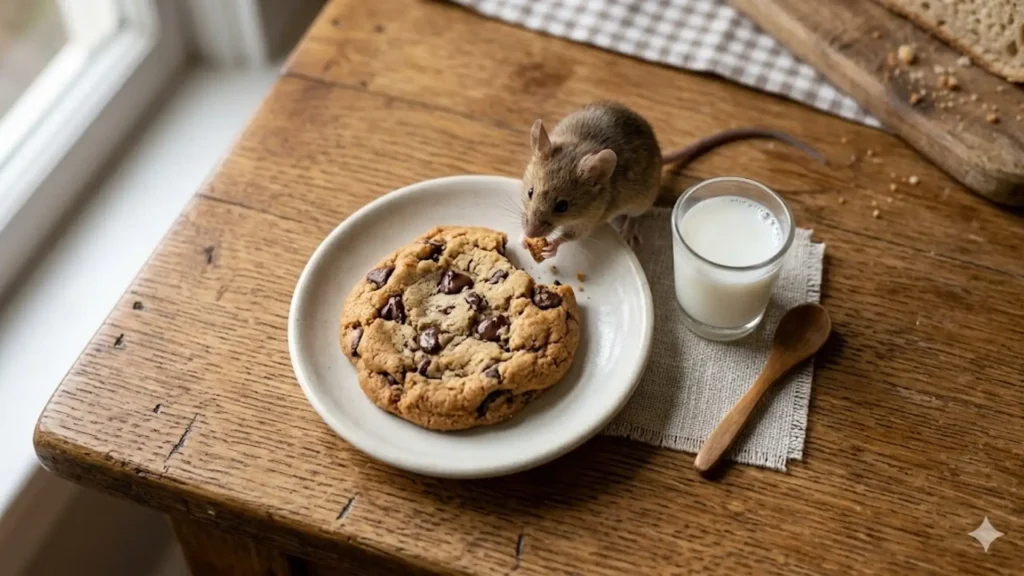
If you give a mouse a cookie, the story says, he is going to want a glass of milk to go with it, and the whole chain of events that follows is one of the best loved picture books in any house with small children. What almost nobody tells you is which cookie the mouse is actually eating and how to bake a batch of it yourself, with a four year old standing on a kitchen stool helping. Laura Numeroff and Felicia Bond gave us a soft, round chocolate chip cookie on the page, and this guide turns that drawing into a real recipe you can make today, plus the technique that keeps kids safe and the cookies edible.
Every craft blog and lesson plan tells you to “bake a batch of cookies” to go with the book, then sends you off to find a recipe somewhere else. That is the gap this guide fills. Below you get the exact chocolate chip cookie that matches the illustrations, measured in US cups and tablespoons, with bake time and temperature, a step by step plan for baking it with a young child, the make ahead and milk pairing details from the story, and a troubleshooting section for when little hands add three eggs instead of one. By the end you will have the cookie, the method, and a kitchen activity that actually works.
Which Cookie Is the Mouse Eating?
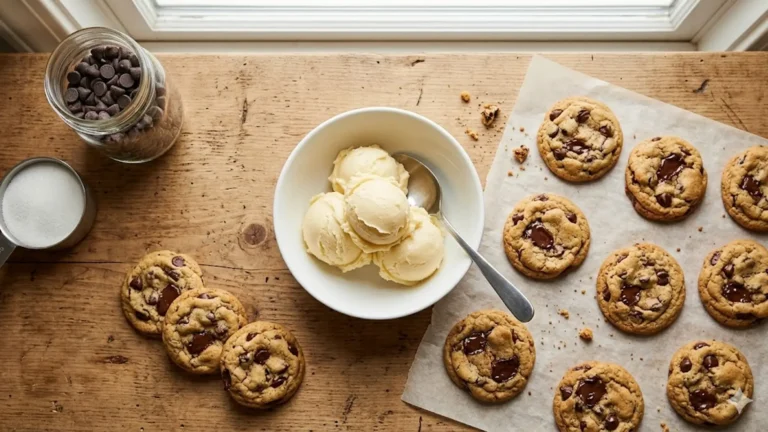
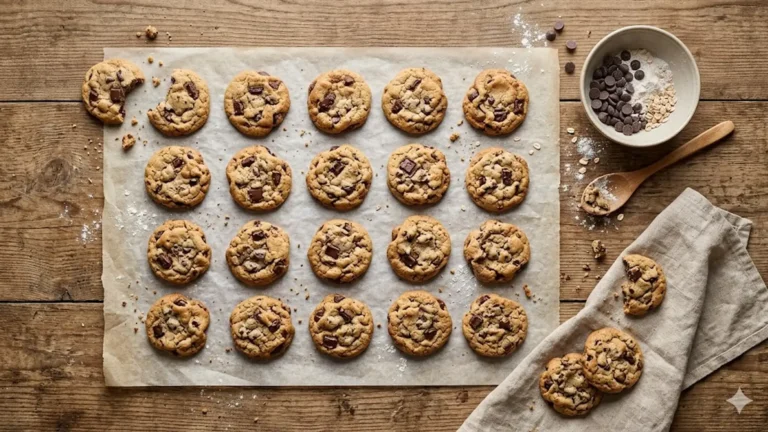
The cookie in the book is a classic American chocolate chip cookie: round, soft in the middle, golden at the edge, and dotted with melting chips. It is not a sandwich cookie, not a shortbread, and not a frosted cutout. That matters because when you bake along with the story, you want the cookie on your plate to look like the one in the picture, so a child can hold the book in one hand and the cookie in the other and see that they match. A standard drop style chocolate chip cookie, scooped with a spoon and baked on a flat sheet, is the right target.
This is the most forgiving cookie a beginner can make, which is exactly why it suits a baking session with kids. There is no rolling, no cutting, no chilling required if you work quickly, and no frosting step to go sideways. You cream butter and sugar, beat in egg and vanilla, stir in the dry ingredients, fold in chips, scoop, and bake. A small child can do the scooping and the chip folding while an adult handles the hot oven, and the result still looks like the cookie the mouse wanted.
The Recipe: Soft Chocolate Chip Cookies (Makes About 24)
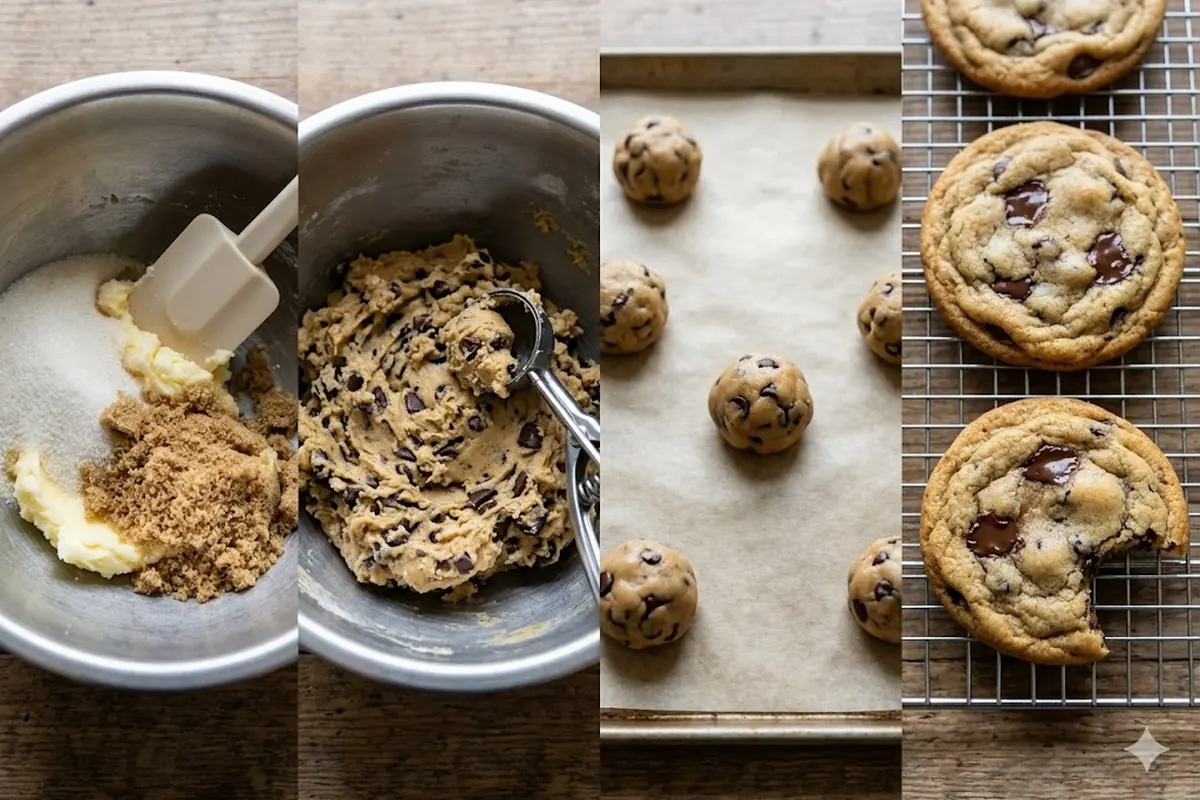
These quantities are scaled for a single batch that fills two cookie sheets, which is plenty for a family read along with leftovers for the lunchbox. All measurements are US standard.
Ingredients
- 1 cup (2 sticks) unsalted butter, softened to cool room temperature
- 3/4 cup packed light brown sugar
- 1/2 cup granulated white sugar
- 2 large eggs
- 2 teaspoons pure vanilla extract
- 2 and 1/4 cups all purpose flour (about 270 grams if you weigh it)
- 1 teaspoon baking soda
- 3/4 teaspoon salt
- 2 cups semisweet chocolate chips
Method
- Heat the oven to 350 degrees Fahrenheit and line two cookie sheets with parchment paper.
- Cream the softened butter with both sugars for two to three minutes until light and fluffy. Stop there; over beating warms the butter and flattens the cookies.
- Beat in the eggs one at a time, then the vanilla, scraping the bowl between additions.
- In a separate bowl, whisk the flour, baking soda, and salt. Add to the wet mixture and stir just until no dry streaks remain. Do not overmix.
- Fold in the chocolate chips by hand.
- Scoop rounded tablespoons of dough about two inches apart on the sheets. A spring loaded cookie scoop keeps them even and is the easiest tool to hand a child.
- Bake 10 to 12 minutes, until the edges are set and lightly golden but the centers still look slightly underdone. They firm up as they cool.
- Cool on the sheet for five minutes, then move to a rack. Serve warm with the glass of milk the mouse asks for.
If you want a deeper, nuttier flavor for the grown ups at the table, the same dough works with browned butter, a technique covered in detail in our guide to brown butter chocolate chip cookies. For the book activity, though, plain softened butter is faster and just as good.
How to Bake It With a Small Child, Step by Step
Baking with a toddler or preschooler is less about the cookie and more about giving them real jobs they can succeed at. The trick is to do the measuring and the hot work yourself and reserve the safe, satisfying steps for them. Here is how to divide the labor so the session stays fun and the cookies still turn out.
Jobs a Child Can Own
- Pouring pre measured ingredients. Measure each ingredient into a small bowl yourself, then let the child dump it into the mixer. They get the pouring, you control the amounts.
- Pressing the mixer button under supervision, on low speed, with your hand near the controls.
- Counting and folding chips. This doubles as the counting activity the book is famous for. Have them count chips in tens as they add them.
- Scooping dough with a spring loaded scoop, which is far easier for small hands than two spoons.
- Decorating the cooled cookies with a few extra chips pressed on top while still warm.
Jobs That Stay With the Adult
Cracking eggs, anything near the hot oven or stovetop, and the final measuring of flour and leavening should stay with you. Accurate flour and baking soda are what keep the cookies from going flat or bitter, and they are not worth handing off. A useful habit borrowed from the testing kitchens at America’s Test Kitchen is to bake one test cookie first: scoop a single ball, bake it, and check the spread before committing the whole tray. With a child helping, this also gives them a first cookie to taste while the rest bake.
The Glass of Milk, and Why It Matters in the Story
The milk is not a throwaway detail. In the book, the cookie leads directly to the milk, which leads to a straw, a mirror, scissors, and the rest of the loop. For the baking activity, the milk pairing is the payoff: a warm cookie and a cold glass of milk is the moment children connect the page to the plate. Whole milk works best because its fat softens the cookie and mellows the sweetness, but any milk a child drinks is fine. For a dairy free table, oat milk has the closest mouthfeel and a faintly sweet, cereal like flavor that suits cookies.
If you want to lean into the read along, set out the milk in a clear glass so the child can dunk the cookie and watch it soften, the same small physics the mouse discovers. Dunking also rescues a cookie that baked a touch too crisp, which is handy on a first attempt.
Make Ahead, Freezing, and the Mouse Cookie Jar
One of the best parts of this recipe for busy households is that the dough freezes beautifully, so you can bake fresh cookies on demand whenever the book comes out. Scoop the dough into balls, freeze them solid on a tray, then transfer to a zip top bag. They keep three months in the freezer and bake straight from frozen with two extra minutes added to the time. That means a single batch of dough can become a dozen reading sessions, each ending with a warm cookie.
Baked cookies keep well too. Store them in an airtight container at room temperature for up to five days, with a slice of sandwich bread tucked in to keep them soft. The bread gives up its moisture to the cookies and keeps them pliable, an old bakery trick that costs nothing. If you want a themed jar for the activity, decorate a clear jar with a paper mouse and use it as the story prop and the cookie store at once.
| Storage method | How long | Notes |
|---|---|---|
| Baked, room temperature | Up to 5 days | Add a bread slice to keep soft |
| Baked, frozen | 2 to 3 months | Thaw at room temperature or warm 10 seconds |
| Dough balls, frozen | 3 months | Bake from frozen, add 2 minutes |
Turning the Recipe Into the Book Activity
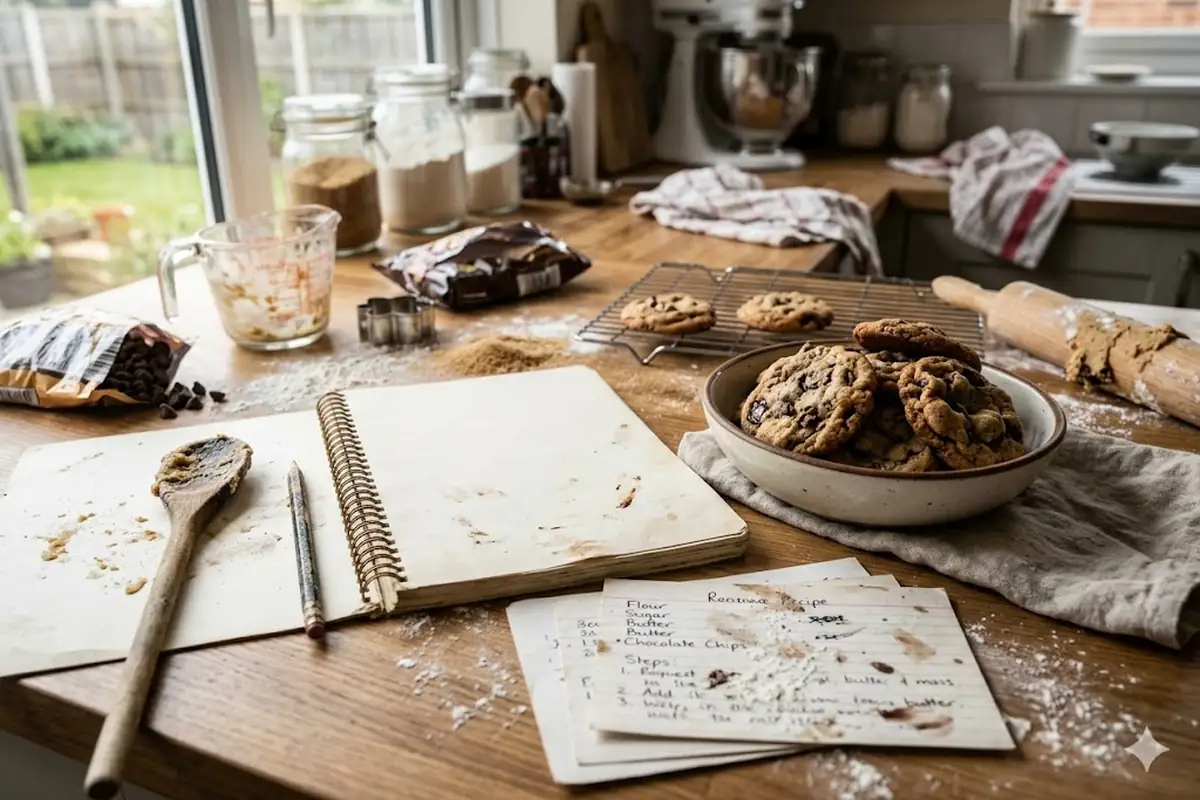
The recipe is the centerpiece, but the book gives you a ready made lesson plan around it. The “if you give” structure is a cause and effect loop, and baking is a perfect way to make that concrete for a child. Read the book first, then walk through the recipe as its own chain of events: if you cream the butter, you will want to add the sugar; if you add the sugar, you will need an egg; and so on, all the way to the milk. Saying it out loud as you bake turns the recipe into the same kind of sequence the story uses.
You can stretch the activity in a few directions. Count the chocolate chips as a math game. Talk about why the cold butter from the fridge is too hard and the warm butter is just right, which is real science a child can feel with their fingers. Let them predict whether the test cookie will spread a little or a lot. None of this requires worksheets, just the dough in front of you and the book nearby.
Other Cookies That Suit the Read Along
Chocolate chip is the canonical match, but if your reader has a favorite, the same baking with kids approach works for other simple drop and roll cookies. Soft, chewy oatmeal chocolate chip cookies add oats for a heartier cookie and a little more counting practice with the add ins. Buttery thumbprint cookies give small hands a job they love, pressing a dimple with a thumb and filling it with jam, which is its own tiny chain of steps. Any of these turn the book into a kitchen afternoon.
Soft Versus Crisp: How to Match the Cookie in the Picture
The cookie in the illustrations is plainly soft, with a rounded dome and no crunch, so a few small choices steer your batch toward that look rather than a thin, crisp one. The biggest lever is the sugar ratio. This recipe leans on brown sugar, which holds moisture and keeps cookies thick and chewy, while white granulated sugar melts freely and produces a flatter, crisper cookie. If you ever want a crisper result, shift more of the sugar to white; for the soft, picture book cookie, keep the brown sugar share high as written.
Bake time is the second lever, and it is where most beginners go wrong by a minute or two. Pulling the cookies when the centers still look slightly underbaked locks in a soft middle, because the residual heat of the pan finishes them as they cool. Leave them in until the centers look fully set and they will be crisp all the way through. Food editors at Bon Appetit make the same point about chocolate chip cookies: a slightly shorter bake and a higher proportion of brown sugar are what separate a soft, bakery style cookie from a flat, crunchy one. For a read along, soft wins, because it matches the page and it dunks better in the milk.
Flour amount quietly decides thickness too. A little more flour gives a taller, softer cookie; too much makes them dry and cakey. The 2 and 1/4 cups in this recipe is a balanced middle, and weighing it at about 270 grams removes the guesswork that comes from a child scooping the cup straight into the bag and packing it down. Get sugar, bake time, and flour in the right zone and the cookie on the plate looks like the cookie on the page.
Common Mistakes When Baking With Kids
A few predictable things go wrong when a child is helping, and all of them are easy to head off. The most common is the butter being too warm because a small helper left it out too long or warmed it in eager hands, which makes the cookies spread thin and greasy. Keep the butter cool and pliable, and if it gets too soft, chill the dough for fifteen minutes before scooping. The second is too much flour from over enthusiastic scooping; measure the flour yourself by spooning it into the cup and leveling, or weigh it at about 120 grams per cup.
The third is impatience at the oven, pulling cookies out the second they look done. Take them out when the edges are set but the centers still look slightly soft, because they keep cooking on the hot pan. The fourth is crowding the sheet, which fuses the cookies into one giant slab; two inches between scoops is enough. Get those four right and a beginner batch comes out looking like the picture in the book.
One more mistake is worth naming because it is so easy to make with an excited helper: doubling an ingredient by accident. A child who loves vanilla may pour in a second glug, or two eggs may become three when small hands lose count. Vanilla overage is harmless and even pleasant. An extra egg makes the dough wetter and the cookies cakier, which you can correct by stirring in a few extra tablespoons of flour until the dough holds a scoop again. Keeping each measured ingredient in its own little bowl before you start, the way television cooks do, prevents most of these slips, because there is nothing left in the bowl to add twice.
Frequently Asked Questions
What kind of cookie is in If You Give a Mouse a Cookie?
It is a classic round chocolate chip cookie, soft in the center with melting chips, the same drop style cookie most American families bake at home. It is not a sandwich, shortbread, or frosted cookie, which is why a simple chocolate chip recipe matches the illustrations best.
Is this recipe easy enough to bake with a toddler?
Yes. It involves no rolling, cutting, or chilling, and the steps a child can safely do, pouring pre measured ingredients, folding chips, and scooping dough, are exactly the satisfying parts. The adult handles the eggs, the flour measuring, and anything near the hot oven.
Can I make the dough ahead of time?
Absolutely. Scoop the dough into balls, freeze them on a tray, then store in a bag for up to three months. Bake straight from frozen with about two extra minutes, so you can make one warm cookie or a dozen whenever the book comes out.
Why did my cookies turn out flat?
Almost always because the butter was too warm or the dough was not cool enough, which lets the cookie spread before it sets. Use cool, pliable butter, do not over cream it, and chill the dough for fifteen minutes if it feels soft before scooping.
What milk should I serve with the cookies?
Whole milk is the classic pairing and its fat softens the cookie nicely, matching the glass the mouse asks for in the story. For a dairy free option, oat milk has the closest texture and a mild sweet flavor that works well with chocolate chip cookies.
How many cookies does one batch make?
About 24 cookies using a rounded tablespoon scoop, enough for a family read along with leftovers. You can halve the recipe for a smaller batch or freeze extra dough balls for later.
Bottom Line
If you give a mouse a cookie, give it a real one. The cookie in the book is a soft, round chocolate chip cookie, and the recipe above turns that drawing into a batch you can bake this afternoon, with a child doing the safe and fun parts and an adult guarding the oven and the flour. Read the book, divide the jobs, bake a test cookie first, and finish with the glass of milk the story demands. You end up with more than a snack: you get a cause and effect lesson, a counting game, and a kitchen memory, all from one bowl of dough. Freeze the extra dough balls and the book can lead to a fresh warm cookie any day you like.