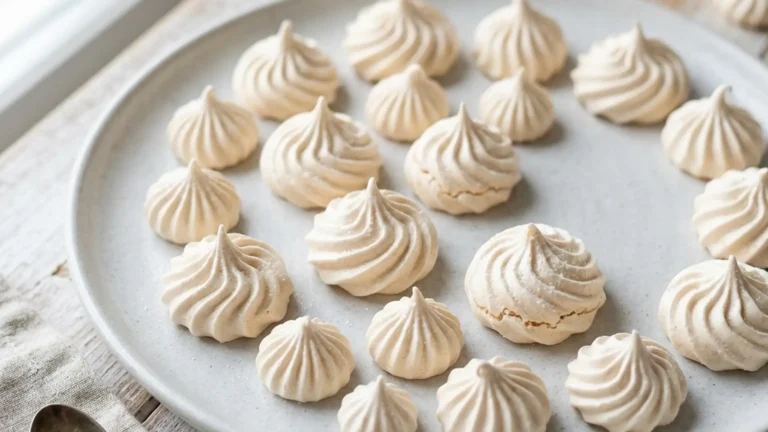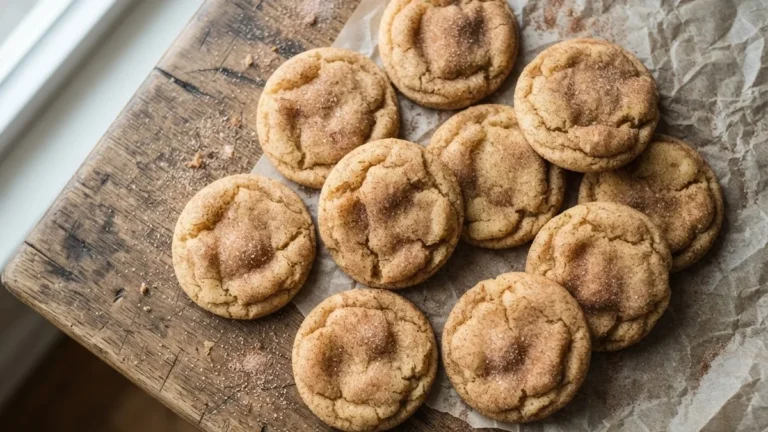
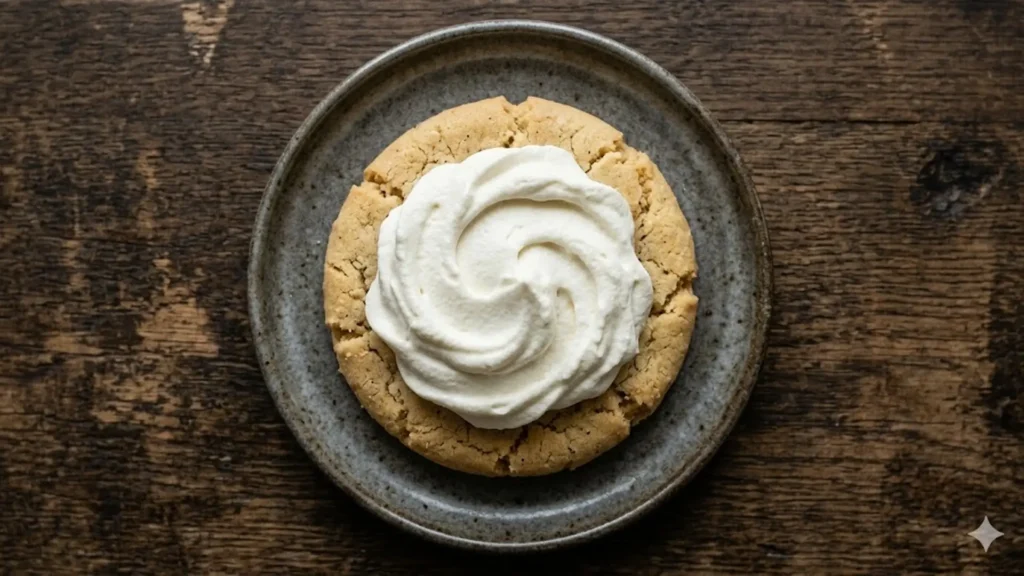
Whipped cream cookie recipes use heavy cream in place of some or all of the butter, and the result is a cookie that is meltingly tender, faintly rich, and dusted with powdered sugar while still warm. If you have only ever creamed butter and sugar, baking a cookie around whipped cream feels backwards, but it is the secret behind a whole family of European holiday cookies, from Czech slehackove cukrovi to Danish kringler to Italian cream cookies. This guide explains what whipped cream does in a cookie, gives you a reliable recipe and method, and walks through the troubleshooting so your first batch comes out delicate instead of tough or greasy.
Most recipes online hand you a list of ingredients and a bake time and leave it at that, with no explanation of why cream behaves differently from butter or how to fix a dough that feels too wet. That is the gap this guide fills. Below you will find the science of cream in cookies, a full recipe in US measurements, the technique for folding whipped cream into dough without deflating it, the difference between heavy cream cookies and the better known butter cookies, storage notes, and an FAQ that answers the questions a first time baker actually asks.
What Whipped Cream Actually Does in a Cookie
Heavy cream is roughly 36 to 40 percent fat, the rest mostly water with a little milk protein and sugar. When you whip it, you trap air in a network of fat globules, the same way you would for a pie topping. Folding that aerated cream into a cookie dough does two things at once. The fat tenderizes the cookie by coating flour proteins and limiting gluten, just as butter does, and the trapped air plus the cream’s water content turns to steam in the oven and gives a light, slightly cakey crumb rather than a dense, chewy one.
That water content is the key difference from butter. Butter is about 80 percent fat and only 16 to 18 percent water, so a butter cookie is richer and chewier. A cream cookie carries more water and less concentrated fat, which is why it bakes up softer, paler, and more crumbly, and why these cookies are almost always rolled in powdered sugar rather than left plain: the tender, mild crumb wants a sweet coating. Understanding this tells you how to adjust. If your cookies are too dry, the cream did not bring enough moisture or you added too much flour; if they are greasy, you likely used too much fat overall or overworked the dough.
The Recipe: Tender Whipped Cream Cookies (Makes About 30)
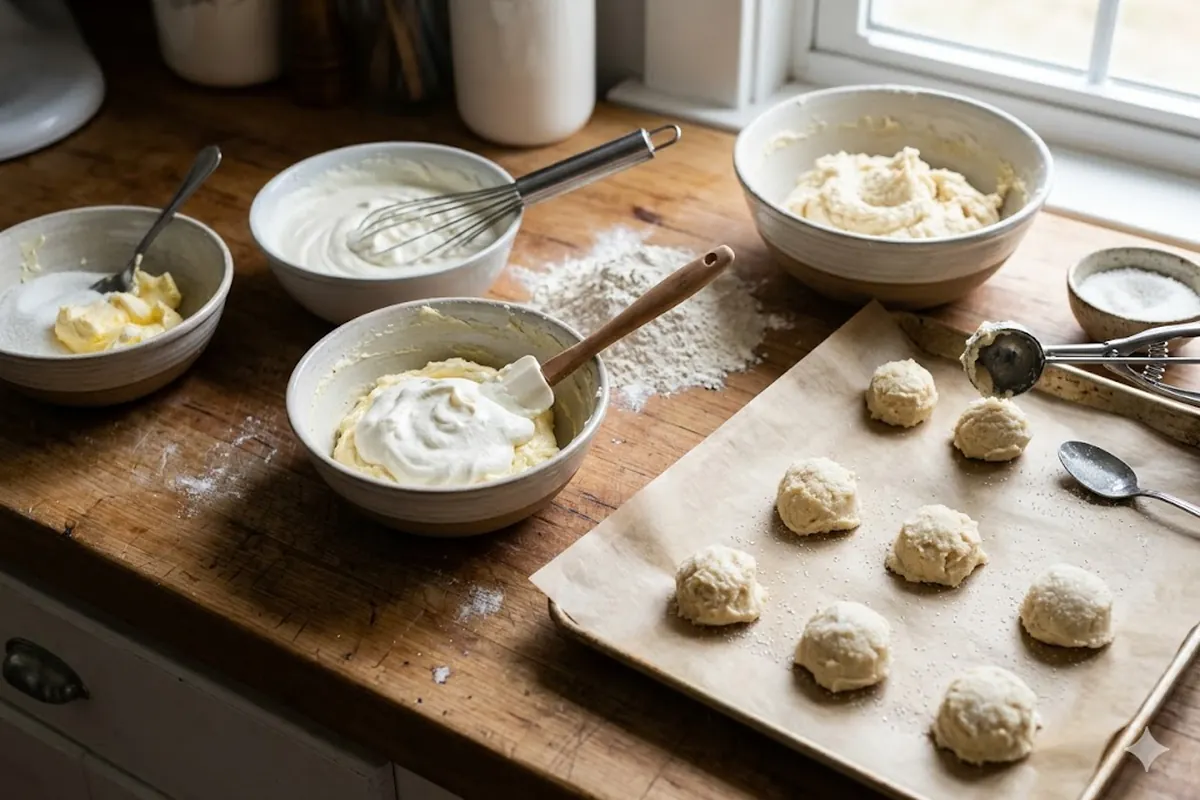
This is a powdered sugar coated cream cookie in the Czech and Danish tradition, scaled for a single batch. All measurements are US standard.
Ingredients
- 1 cup (2 sticks) unsalted butter, cold and cut into cubes
- 1 cup heavy whipping cream, cold
- 2 and 1/2 cups all purpose flour (about 300 grams)
- 2 tablespoons granulated sugar
- 1/2 teaspoon baking powder
- 1/4 teaspoon salt
- 1 teaspoon pure vanilla extract
- 1 cup powdered sugar, for rolling
Method
- Whisk the flour, granulated sugar, baking powder, and salt in a large bowl.
- Cut the cold cubed butter into the flour with a pastry blender or your fingertips until the pieces are the size of rice grains. Cold butter is what keeps the cookie flaky and tender.
- Whip the cold heavy cream with the vanilla to soft peaks, the consistency you would use to top a pie.
- Add the whipped cream to the flour mixture and fold gently with a fork, then knead lightly with your fingertips just until the dough comes together into a ball. Do not overwork it.
- Wrap the dough and chill it for at least one hour, or overnight. Cold dough is essential here because the cream makes it soft.
- Heat the oven to 350 degrees Fahrenheit and line two sheets with parchment.
- Roll the chilled dough about 1/4 inch thick on a lightly floured surface and cut into rounds or small shapes, or pinch off pieces and roll into small crescents.
- Bake 12 to 15 minutes, until the edges are barely golden. They should stay pale; cream cookies are not meant to brown deeply.
- While still warm, roll each cookie in powdered sugar. Let them cool, then roll again for a thick, snowy coating.
How to Fold Whipped Cream Without Deflating It
The single technique that makes or breaks these cookies is folding the whipped cream into the flour without knocking out the air you just whipped in. Use a flexible spatula or a fork, add the cream all at once, and cut down through the center of the bowl, sweep along the bottom, and turn the mixture over itself, rotating the bowl a quarter turn between strokes. Stop the moment the dough holds together. Stirring in circles, the way you would a batter, collapses the air and gives you a dense, tough cookie.
Because the dough is soft and sticky from the cream, chilling is not optional. An hour in the fridge firms the butter and relaxes the dough so it rolls and cuts cleanly. If the dough warms up and turns sticky while you work, slide it back into the fridge for fifteen minutes rather than fighting it with extra flour, which would dry the cookies out. This patient, cold handling is the same discipline that makes any rolled cookie behave, and it is worth the wait.
Heavy Cream Cookies Versus Classic Butter Cookies
It helps to know exactly how a cream cookie differs from the butter cookies most people grew up with, because the two are not interchangeable. The table below lays out the practical differences so you can pick the right cookie for the occasion.
| Trait | Whipped cream cookie | Classic butter cookie |
|---|---|---|
| Main fat | Cream plus some butter | Butter only |
| Texture | Tender, light, crumbly | Rich, firm, chewy or snappy |
| Color | Pale, stays light | Golden, browns more |
| Finish | Rolled in powdered sugar | Often plain or iced |
| Handling | Soft, must chill well | Firmer, easier to roll |
If you love the powdered sugar finish, you will notice the family resemblance to other snowy, tender cookies. Our guide to Mexican wedding cookies covers a buttery, nut filled cousin that is also rolled in powdered sugar while warm, and the same gentle handling applies. For a richer, chewier cookie at the same holiday table, classic brown butter chocolate chip cookies sit at the opposite end of the texture spectrum and round out a cookie tray nicely.
Flavor Variations Beyond Plain Cream
The mild, milky base of a cream cookie is a blank canvas, which is part of its appeal. A teaspoon of almond extract alongside or instead of the vanilla gives the cookie a marzipan note that suits the powdered sugar finish. Lemon or orange zest folded into the dough brightens the richness and is a good match for spring and summer. For a holiday version, a little ground cardamom or cinnamon in the flour echoes the Scandinavian and Czech roots of the recipe.
You can also press a thumbprint into each round before baking and fill it with a dot of jam, turning the cream cookie into a tender jam cookie. If you enjoy that style, the technique transfers directly from our thumbprint cookies guide. Whatever flavor you choose, keep additions small; the charm of a cream cookie is its delicacy, and heavy mix ins like chocolate chunks weigh it down and fight the light crumb.
Storing and Gifting Whipped Cream Cookies
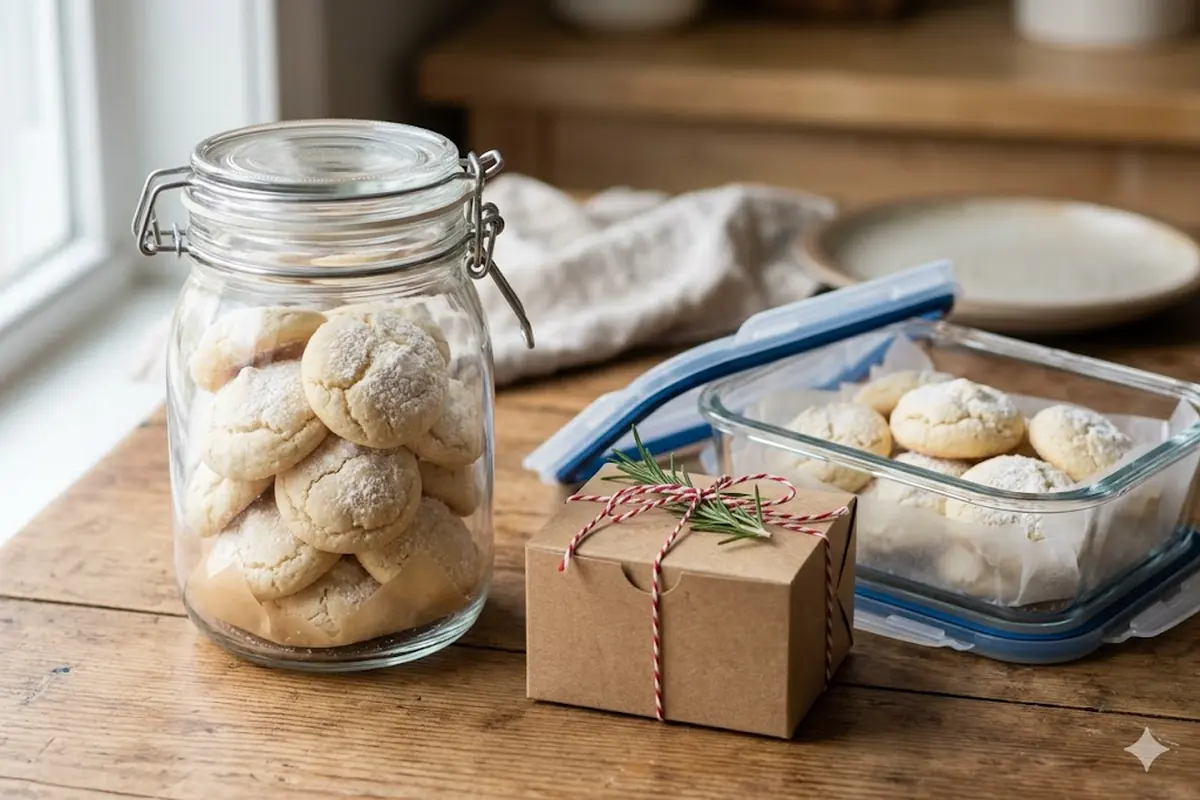
Because they are low in moisture once baked and coated in powdered sugar, these cookies keep and travel well, which is why they are a fixture on European holiday trays. Store them in an airtight container at room temperature for up to a week, with parchment between the layers so the sugar coating stays intact. They actually improve after a day as the flavors settle and the powdered sugar melds into the surface.
For longer storage, freeze the baked, uncoated cookies for up to two months, then thaw and roll them in fresh powdered sugar just before serving so the coating looks crisp and white. You can also freeze the raw dough, well wrapped, and thaw it in the fridge before rolling. The reliable testing kitchens at America’s Test Kitchen recommend freezing most cookie doughs flat or in portions for even thawing, which works here too. For gifting, the powdered sugar coating hides minor cracks and gives a uniform, snowy look that photographs beautifully in a tin.
Which Cream to Buy, and How It Changes the Cookie
The carton you grab matters more than most recipes admit, because the dairy aisle hides several creams at different fat levels and they do not behave the same in a cookie. Heavy cream and heavy whipping cream both sit at about 36 to 40 percent fat and are the right choice here, since the higher fat whips to a stable peak and tenderizes the dough properly. Plain whipping cream, sometimes labeled light whipping cream, runs closer to 30 to 35 percent fat; it works but gives a slightly less tender, slightly wetter cookie, so you may need a spoonful more flour.
Avoid half and half and coffee creamer for these cookies. Half and half is only about 10 to 12 percent fat and will not whip or tenderize, leaving you with a dense, bready result, and flavored creamers add sugar and stabilizers that throw off the dough. If you want a richer, more luxurious cookie, look for cream labeled simply pasteurized rather than ultra pasteurized, because the gentler processing whips to a more stable foam, a distinction the editors at Cook’s Illustrated have flagged in their dairy testing. For most home bakers, a standard carton of heavy whipping cream is the reliable default and the recipe above is written around it.
One practical note on whipping: cold cream, a cold bowl, and a cold whisk all whip faster and higher. On a warm day, chill your bowl and beaters in the freezer for ten minutes first. Whip only to soft peaks for this dough, the stage where the cream holds a gentle curl but still looks glossy, because cream whipped to stiff peaks starts to turn grainy and is harder to fold in without overworking. Stopping at soft peaks keeps the fold gentle and the crumb light.
Troubleshooting Your First Batch
A handful of issues come up the first time, and each has a clear cause. If the dough is too sticky to roll, it is too warm; chill it longer rather than adding flour. If the baked cookies are tough, the dough was overworked or the cream was stirred rather than folded, deflating the air. If they spread and lost their shape, the butter was not cold enough going into the oven, so make sure the cut out shapes are chilled and firm before baking.
If the cookies came out dry and crumbly to the point of falling apart, you likely packed in too much flour; weigh it next time at about 300 grams for this recipe. And if the powdered sugar coating soaked in and disappeared, you rolled the cookies while they were too hot and damp, so let them cool a minute first, then roll, and roll a second time once fully cool for a coating that stays put. Fix the one issue that applies and the next batch will be tender, pale, and snowy.
Serving Ideas and When to Bake Them
Whipped cream cookies shine in the moments that call for something delicate rather than rich. Their pale color and snowy coating make them a natural for winter holidays, where they sit comfortably next to gingerbread and chocolate cookies and provide a light contrast to the heavier spiced and fudgy options. They are also a quiet favorite for weddings, baby showers, and afternoon tea, where the powdered sugar finish reads as refined and the soft crumb pairs with coffee or a cup of black tea without overwhelming it.
Because the base flavor is mild, these cookies also work well as a partner to fruit. Serve them alongside a bowl of macerated berries, where the tender cookie soaks up a little juice, or sandwich two with a thin layer of jam or lemon curd for a more substantial treat. They are sturdy enough to plate ahead for a party yet delicate enough to feel special, which is a rare combination. If you are building a mixed cookie tray, aim for variety in texture: a tender cream cookie, a chewy chocolate cookie, and a crisp shortbread give guests three different bites and keep the plate interesting.
For a make ahead holiday plan, bake the cookies up to a week early, store them uncoated in an airtight tin, and roll them in powdered sugar the morning you serve them so the coating looks freshly snowed on. This keeps the work off your busiest day and the cookies looking their best. The same logic applies if you are mailing cookies: ship them uncoated and well cushioned, and include a small bag of powdered sugar with a note to roll them on arrival, so they reach the table looking as good as they did leaving your kitchen.
Frequently Asked Questions
What is a whipped cream cookie?
It is a tender cookie made with heavy whipping cream folded into the dough, usually alongside some butter, and finished with a coating of powdered sugar. The cream gives a light, slightly cakey, melt in the mouth crumb that is paler and more delicate than a standard butter cookie.
Can I use heavy cream instead of butter in cookies?
Yes, in recipes designed for it. Cream carries more water and less concentrated fat than butter, so it makes cookies softer and more crumbly rather than chewy. You cannot simply swap cream for butter in a regular recipe, because the moisture and fat balance changes; use a recipe built around cream like the one above.
Why are my whipped cream cookies tough?
Toughness comes from overworking the dough or from stirring the cream in circles instead of folding it, both of which knock out the air and develop gluten. Fold gently with a fork or spatula and stop the moment the dough comes together.
Do I have to chill the dough?
Yes. The cream makes the dough soft and sticky, and chilling for at least an hour firms the butter so the dough rolls and cuts cleanly and the cookies hold their shape in the oven. Skipping the chill leads to spreading and sticking.
Why did my cookies turn out dry?
Usually too much flour, often from scooping the cup instead of spooning and leveling or weighing it. Measure about 300 grams of flour for this batch, and do not bake the cookies past barely golden, since cream cookies dry out quickly if overbaked.
Can I freeze whipped cream cookies?
Yes. Freeze the baked, uncoated cookies for up to two months and roll them in fresh powdered sugar after thawing, or freeze the wrapped raw dough and thaw it in the fridge before rolling. Both methods keep the cookies tender.
Bottom Line
Whipped cream cookie recipes turn heavy cream into a cookie that is tender, pale, and snowy with powdered sugar, a style with deep roots in Czech, Danish, and Italian holiday baking. The cream brings water and air rather than the concentrated fat of butter, which is why these cookies are light and crumbly and why the technique matters: keep the butter cold, fold the whipped cream gently, chill the dough well, and bake only until barely golden. Roll them warm in powdered sugar, roll them again once cool, and you have a delicate cookie that keeps for a week and gifts beautifully. Master the fold and the chill, and the whipped cream cookie becomes one of the easiest tender cookies in your repertoire.