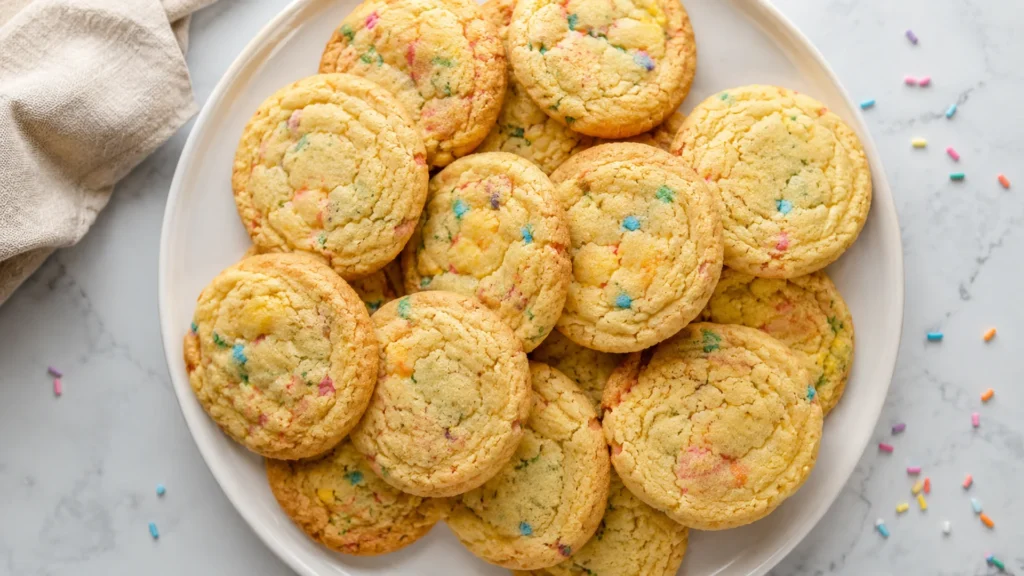
Cake mix cookies turn one box of cake mix into a tray of soft cookies with just two or three added ingredients, usually eggs and oil or butter. They are the fastest route from craving to warm cookie in the kitchen: about five minutes of mixing, ten minutes of baking, and no measuring of flour, sugar, baking powder, or salt, because the cake mix already contains all of it in the right proportions. That is the whole trick, and once you understand it, you can use any flavor of mix, control the texture, and customize with mix-ins. This guide covers the base ratio that always works, how oil versus butter changes the result, a flavor-by-flavor chart, and the fixes for every common problem.
These are the cookies to make with kids, for a last-minute bake sale, or when you want something homemade without a full pantry pull. They are forgiving enough that a beginner can nail them on the first try, and flexible enough that an experienced baker can dress them up into something that does not taste like a shortcut at all.
Why a cake mix works as cookie dough
A boxed cake mix is essentially flour, sugar, leavening, and a little salt, all pre-blended in the proportions a cake needs. Cookie dough is built from those same dry ingredients. The difference between a cake and a cookie is mostly the ratio of liquid and fat: a cake batter is loose and pourable, while a cookie dough is stiff and scoopable.
So to turn a cake mix into cookie dough, you add far less liquid than the cake instructions call for. Instead of water, milk, and a half cup or more of oil plus multiple eggs, you add just enough fat and egg to bind the dry mix into a thick, scoopable dough. That low-liquid approach is the entire conversion. The leavening and salt are already balanced, so you do not add any, which is why the method is so reliable. You are not really making cookies from scratch; you are repurposing a pre-measured dry blend.
This also explains why the cookies trend soft and slightly cakey unless you intervene. A cake mix carries enough leavening to lift a tall, airy cake, and that same leavening is still in the box when you make cookies. With less liquid to spread out into, the cookies puff rather than flatten, which gives them their characteristic pillowy texture. If you love that soft bite, you do nothing. If you want chew, you work against the built-in lift by changing the fat and pulling the cookies early, which the texture section below covers. Knowing that the cakiness is baked into the mix, rather than a mistake on your part, is what lets you control it instead of fighting it blindly.
One practical note about box sizes. Cake mix manufacturers have quietly shrunk their boxes over the years, and a mix that used to be 18.25 ounces is now often 15 to 16 ounces. The base ratio here is built around the current smaller box. If you have an older or larger mix, the dough may come out a touch dry, so add an extra tablespoon of oil or a splash of milk until it binds into a scoopable dough. Trust the texture of the dough over the exact ounces on the box.
The base ratio that always works
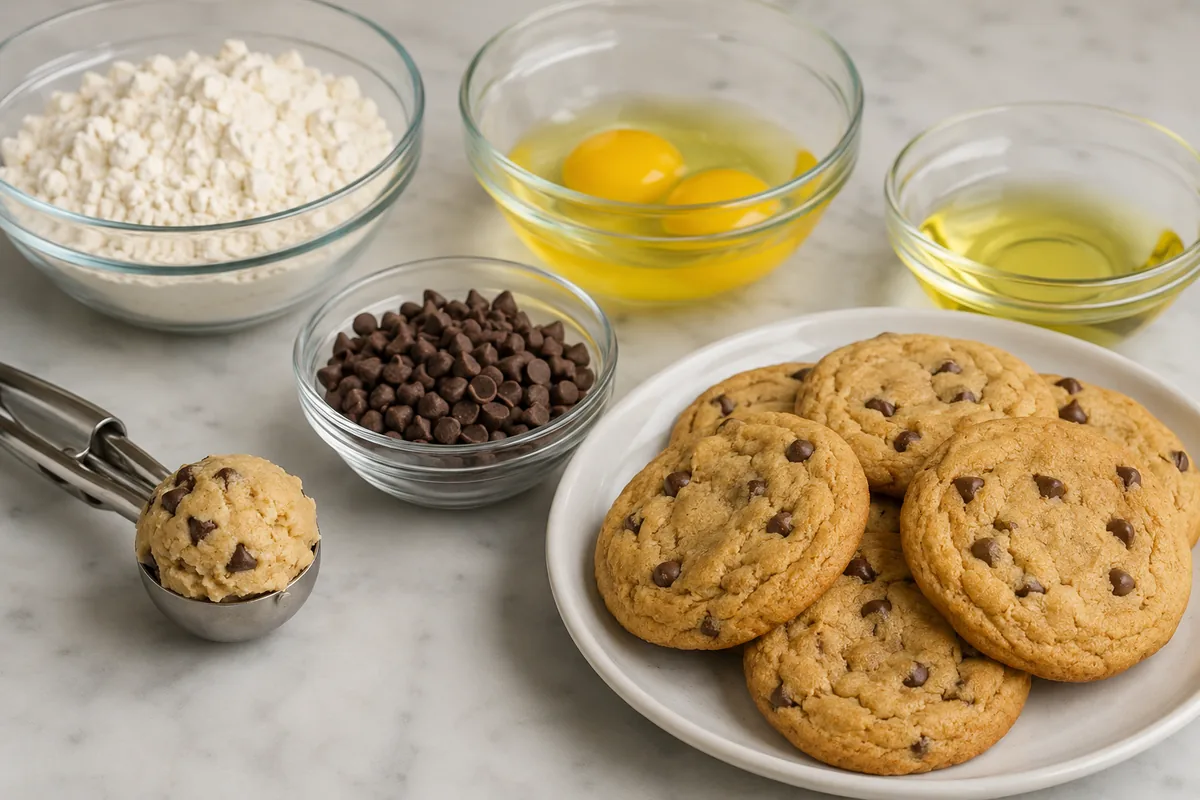
The reliable starting point is one standard boxed cake mix (about 15 to 16 ounces), two large eggs, and a half cup of oil. Stir those three together until smooth and no dry pockets remain, scoop, and bake. That is the three-ingredient version, and it works with essentially any flavor of mix.
| Ingredient | Amount | Job |
|---|---|---|
| Boxed cake mix | 1 box (15-16 oz) | Flour, sugar, leavening, salt, all pre-blended |
| Large eggs | 2 | Bind the dough and add structure |
| Oil or melted butter | 1/2 cup | Fat for tenderness and to hold the dough together |
| Vanilla (optional) | 1 tsp | Rounds out the boxed flavor |
| Mix-ins (optional) | 1/2 to 1 cup | Chips, sprinkles, nuts, candy |
The dough will be softer and stickier than a from-scratch cookie dough, which is normal. If it feels too wet to scoop, chill it for 15 to 20 minutes and it will firm up. Bake at 350 F (175 C) for 9 to 11 minutes, until the edges are set and the centers still look soft, then let them finish on the pan as they cool.
Oil versus butter: choosing your texture
The fat you choose is the single biggest lever over how these cookies turn out. Oil and butter are not interchangeable here; each gives a different result.
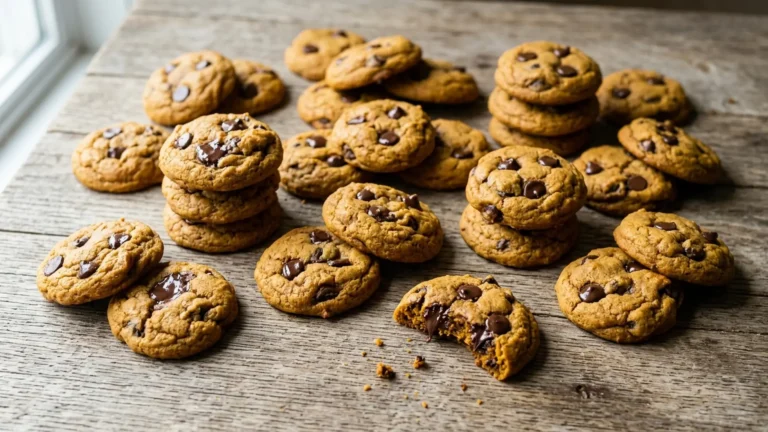
Oil is the simplest and gives the soft, slightly cakey cookie most people picture when they think of cake mix cookies. Butter adds flavor and chew and makes them taste closer to a scratch cookie, at the cost of a little more spread. If you want the chewiest result, use melted butter and pull the cookies while the centers look underdone, the same instinct that keeps a chocolate chip cookie chewy. For more on how fat choice and temperature drive cookie texture, the baking guides at King Arthur Baking are a clear reference.
Flavor by flavor: which mix, which mix-ins
Any cake mix flavor works, and matching the right mix-ins to the base flavor is how you turn a shortcut into something that tastes intentional. This chart covers the most popular bases.
| Cake mix | Best mix-ins | Result |
|---|---|---|
| Yellow or white | Chocolate chips, sprinkles, M and M candies | The classic all-purpose cookie |
| Chocolate | White or peanut butter chips, chopped nuts | Rich, brownie-leaning cookie |
| Red velvet | White chocolate chips, cream cheese drizzle | Holiday-ready, color-forward |
| Lemon | White chips, a roll in powdered sugar | Bright, crackle-topped lemon cookie |
| Spice or carrot | Raisins, chopped pecans, cinnamon chips | Cozy, fall-flavored cookie |
| Funfetti | Extra sprinkles, white chips | Birthday cookie kids love |
Funfetti and yellow mixes are the most versatile, and they make a great quick addition to a Christmas cookie tray when you need volume without more from-scratch work. Lemon mix rolled in powdered sugar before baking gives you an easy crinkle-style cookie with almost no effort.
Step by step
1. Mix
In a large bowl, stir the eggs and oil (or melted butter) together, then add the dry cake mix and the vanilla if using. Mix until smooth and no dry streaks remain. The dough will be thick and a little sticky.
2. Add mix-ins and chill if needed
Fold in your chips, sprinkles, or nuts. If the dough is too soft to scoop into balls that hold their shape, chill it for 15 to 20 minutes. A short chill also reduces spread for a thicker cookie.
3. Scoop and bake
Scoop two-tablespoon balls onto a lined sheet, spacing them a couple of inches apart. Bake at 350 F for 9 to 11 minutes, until the edges are set and the centers still look slightly soft and underdone. Do not wait for the centers to look fully baked.
4. Cool on the pan
Let the cookies rest on the hot pan for five minutes before moving them. They finish setting there, which keeps the centers soft. Moving them too soon while they are fragile tears them.
Texture control and common fixes
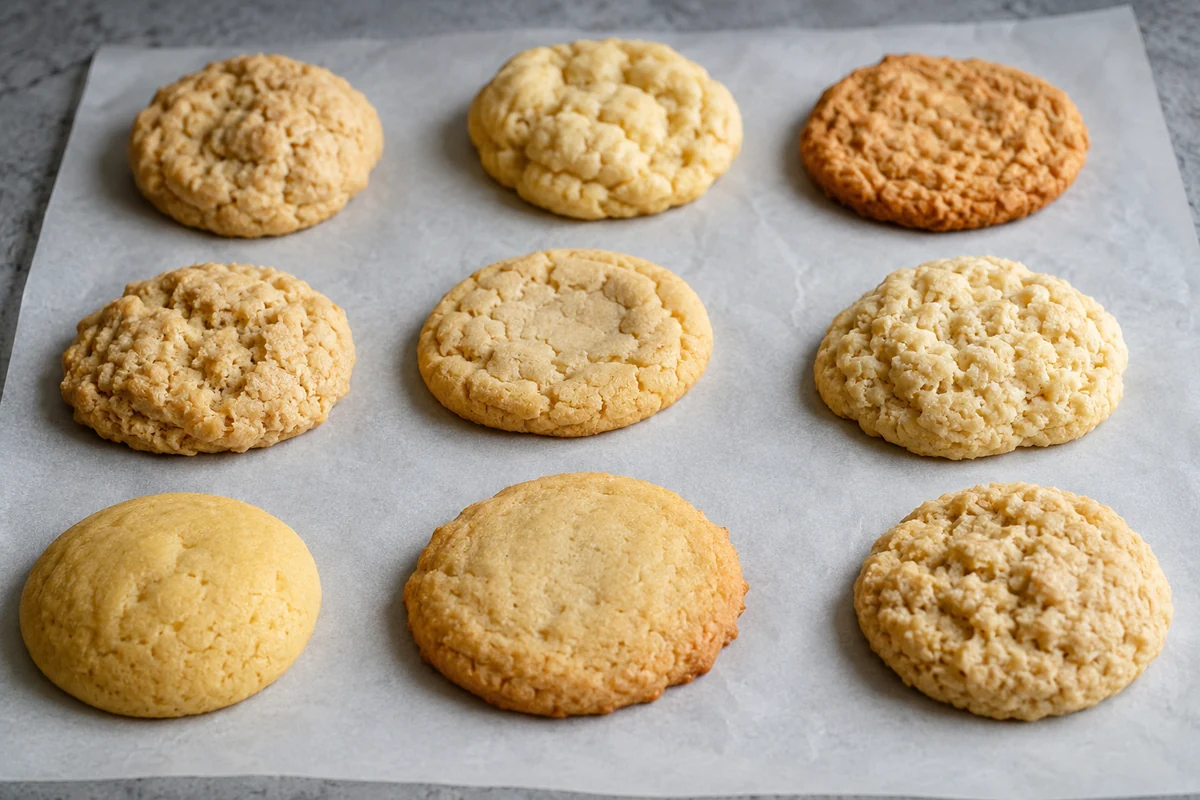
Cake mix cookies skew soft and slightly cakey by default, because cake mix is formulated to rise. If you want chewier or crisper cookies, a few adjustments steer them there.
| Problem | Likely cause | Fix |
|---|---|---|
| Too cakey or puffy | Cake mix is built to rise; oil amplifies it | Use melted butter; reduce to 1/3 cup fat; flatten dough slightly |
| Spread too thin | Dough too warm or too much fat | Chill the dough; reduce the fat a little |
| Dry or crumbly | Not enough fat or overbaked | Add a tablespoon more oil; pull when centers look soft |
| Too sticky to scoop | Normal for this dough; too warm | Chill 15 to 20 minutes before scooping |
| Bland flavor | Relying only on the boxed mix | Add vanilla, a pinch of salt, or flavored mix-ins |
| Cookies stuck together | Spaced too close | Space at least 2 inches apart |
If the default cakiness bothers you, the most effective single change is swapping oil for melted butter and cutting the fat slightly. That pulls the texture from pillowy toward chewy and adds real butter flavor that a boxed mix lacks. A pinch of added salt also wakes up the flavor, since boxed mixes tend to be balanced for sweetness over depth.
Cookies, bars, and sandwiches from one dough
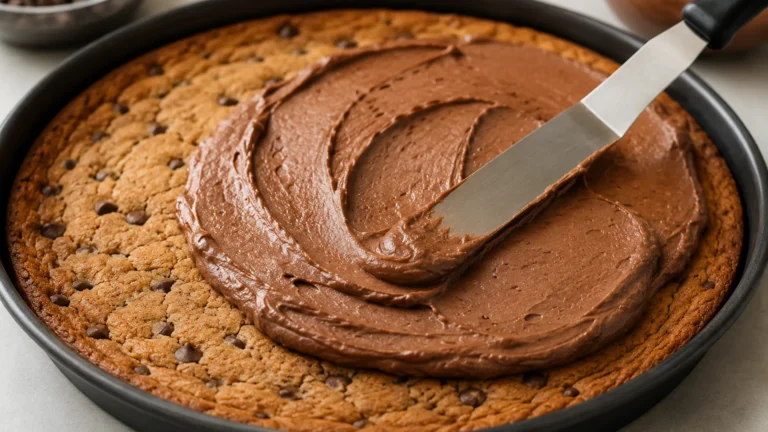
The same cake mix dough works in more than one format, which makes it even more useful when you need a lot of dessert fast. Pressed into a parchment-lined pan, it bakes into chewy bars that you cut into squares, with no scooping and no batch-by-batch tray rotation. Bars usually need a slightly longer bake, around 18 to 22 minutes, until the edges set and the center is just done.
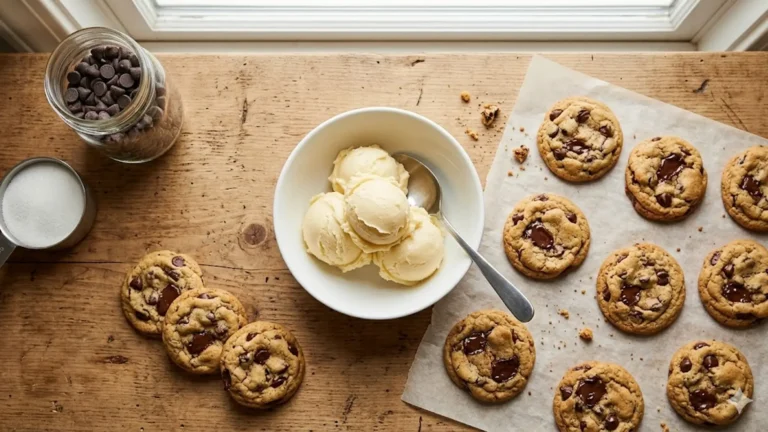
You can also turn them into sandwich cookies. Bake the cookies a little flatter, let them cool, then pair them up with a filling: a simple buttercream, a smear of frosting, or even a scoop of softened ice cream pressed between two cookies and frozen. A funfetti or yellow mix makes a birthday-style sandwich that kids love, and a chocolate mix with a peanut butter filling is a crowd favorite. Because the dough is forgiving and uniform, the cookies bake to consistent sizes, which is exactly what you want when you are matching tops and bottoms for sandwiches.
If you want a thicker, more substantial cookie that holds its shape for stacking on a sugar cookie style platter, use softened creamed butter instead of oil and chill the dough before scooping. The extra structure keeps the cookies from spreading thin, so they sit tall and neat on a tray.
Make-ahead, storage, and freezing
Cake mix cookie dough is easy to make ahead. Mix it, cover it, and refrigerate for up to two days before baking, or scoop it into balls and freeze them on a tray, then bag them and bake from frozen, adding a minute or two. Because the dough is forgiving, it holds up well to make-ahead handling. For the general rules on dough freezing, see our guide on whether you can freeze cookie dough.
Baked cookies keep in an airtight container at room temperature for about four to five days. Their oil-and-mix base keeps them soft longer than many scratch cookies. To freeze the baked cookies, layer them with parchment in a container and freeze for up to three months, then thaw at room temperature. They make a reliable freezer stash for lunchboxes and last-minute guests.
Are cake mix cookies cheating?
Only if you decide they are. A cake mix is a pre-measured dry blend, and using it instead of measuring flour, sugar, and leavening separately is no different in spirit from buying pre-shredded cheese or canned beans. The cookies come out genuinely good, and with melted butter, a little salt, vanilla, and thoughtful mix-ins, most people cannot tell they started from a box. The test kitchen pros at America’s Test Kitchen have long written about smart shortcuts that do not sacrifice quality, and this is one of them. If the result is a soft, flavorful cookie that took ten minutes, the shortcut earned its place.
There is also a real teaching value to these cookies. Because the dry side is fixed and you only control the fat, egg, and bake, cake mix cookies are a clean way to learn how those few variables change a cookie. Bake one tray with oil and one with melted butter from the same box, and you will taste exactly what fat does to chew and spread. Pull one tray at nine minutes and one at twelve, and you will see how a few minutes decides soft versus crisp. That kind of side-by-side is harder to isolate in a full scratch recipe where a dozen things vary at once. So even for a serious baker, the box is a useful tool, not just a shortcut.
Frequently asked questions
What do you add to cake mix to make cookies?
The basic version needs just two eggs and a half cup of oil or melted butter stirred into one boxed cake mix. That low-liquid ratio turns the loose cake batter into a thick, scoopable cookie dough. Vanilla and mix-ins like chips or sprinkles are optional additions.
Why are my cake mix cookies cakey?
Cake mix is formulated to rise, so the cookies trend puffy and soft by nature. To make them chewier, use melted butter instead of oil, reduce the fat slightly, and flatten the dough balls a little before baking. Pulling them while the centers look underdone also helps.
Can I use any flavor of cake mix?
Yes. Yellow, white, chocolate, red velvet, lemon, spice, and funfetti all work with the same base ratio. Match your mix-ins to the flavor: white chocolate with red velvet, peanut butter chips with chocolate, extra sprinkles with funfetti, and so on.
Do I need to chill cake mix cookie dough?
Not always, but it helps. The dough is softer and stickier than scratch dough, so if it will not scoop cleanly or you want a thicker cookie, chill it for 15 to 20 minutes. Chilling reduces spread and makes the dough easier to handle.
How long do cake mix cookies last?
Stored in an airtight container at room temperature, they stay soft for about four to five days. You can also freeze baked cookies for up to three months or freeze the dough balls and bake from frozen. The oil-based dough keeps them fresher longer than many scratch cookies.
Can I use butter instead of oil?
Yes, and it improves the flavor. Melted butter makes the cookies chewier and richer with a bit more spread, closer to a scratch cookie. Softened, creamed butter gives a thicker cookie that holds its shape. Oil is simplest and gives the softest, most cake-like result.
Bottom line
Cake mix cookies work because a boxed mix is already flour, sugar, leavening, and salt measured for you, so all you add is fat and egg to turn it into scoopable dough. Start with the one mix, two eggs, half cup of oil ratio, then steer the texture with your fat choice: oil for soft and cakey, melted butter for chewy and rich. Match mix-ins to the flavor, chill the dough if it is too soft, and pull the cookies while the centers still look underdone. It is the lowest-effort cookie in the kitchen, and with a few small upgrades it tastes like you did far more work than you actually did. Keep a box or two in the pantry and you are always ten minutes away from warm cookies.