By CookieGrove Editorial Desk. Last updated June 2026. This article is general information, not medical advice. Talk to your doctor or a lactation consultant about your own situation.
Lactation cookies are cookies made with ingredients believed to support milk production in breastfeeding parents, most commonly oats, brewer’s yeast, and ground flaxseed. They are popular, comforting, and generally safe to eat, but the honest answer on whether they actually increase milk supply is that the science is weak and the best studies have not found a clear effect. This guide explains what goes into them, what the research really shows, and how to think about them sensibly without overpromising.
Lactation cookies come up often among new parents who have been told these will fix a supply problem. To stay useful and honest at the same time, this article sticks to what the evidence supports and points you to medical sources and professionals for the parts that are genuinely a health decision. If you take one thing away, let it be this: lactation cookies are a nice snack, not a treatment, and the things that reliably affect milk supply are not in the cookie.
What Lactation Cookies Are
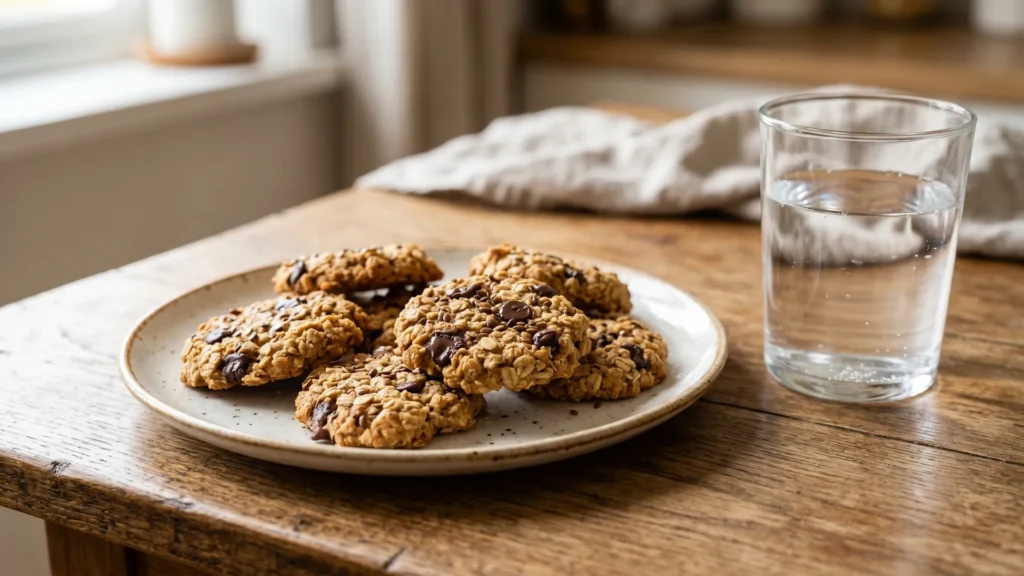
A lactation cookie is, at its base, an ordinary oatmeal cookie with a few added ingredients chosen because tradition or folklore links them to milk production. Those added ingredients are called galactagogues, a term for any food, herb, or medication thought to promote lactation. In a cookie, the usual galactagogues are oats, brewer’s yeast, and ground flaxseed, sometimes joined by fenugreek, moringa, or ginger. You can read a neutral overview of the category on the galactagogue reference page, which notes that evidence for most herbal options is limited.
It is worth being clear about what they are not. Lactation cookies are not medicine, they are not regulated as a treatment, and the doses of any active ingredient in a single cookie are small and inconsistent. They are food, and like any food they can be part of a varied diet without doing harm to most people. The question is not whether they are safe to enjoy, which they generally are, but whether they do the specific job people buy them for.
The Common Ingredients and Their Claims
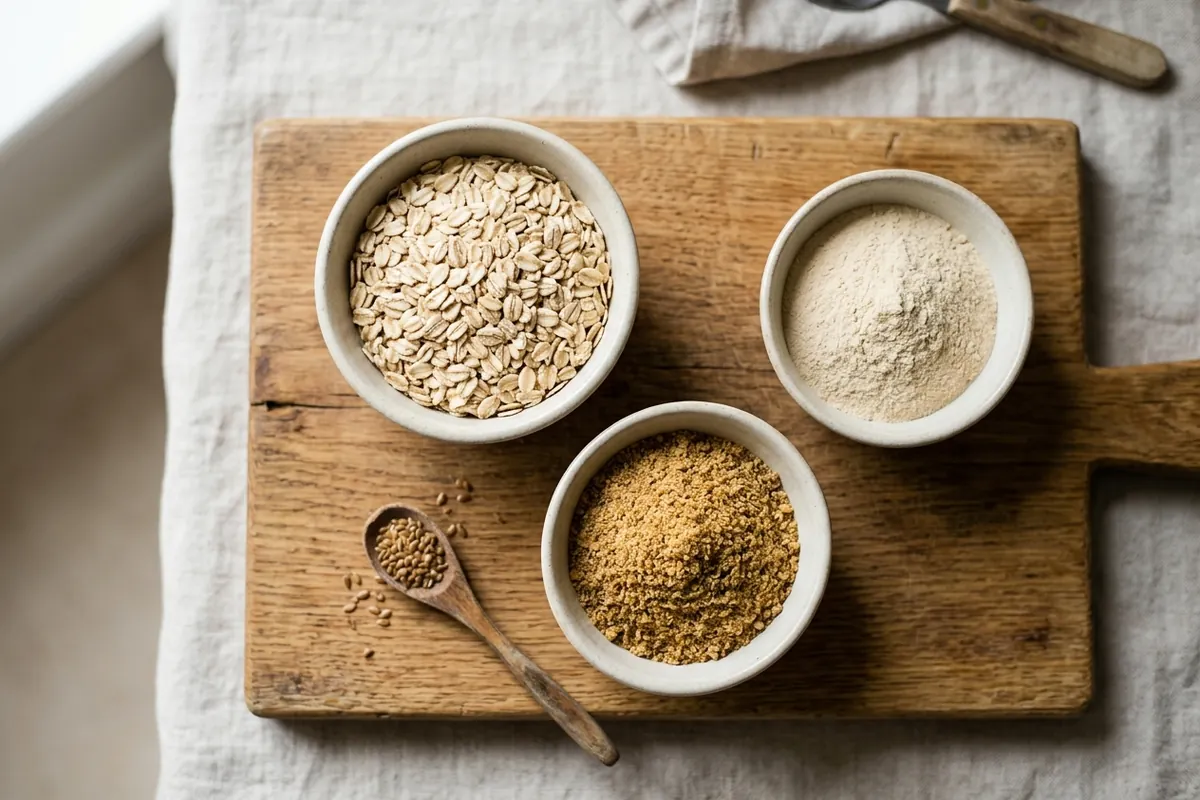
Each headline ingredient has a traditional reputation, and it helps to separate the claim from the evidence.
| Ingredient | Claimed role | What evidence says |
|---|---|---|
| Oats | Iron and comfort food; traditional galactagogue | Popular and safe; direct milk effect unproven |
| Brewer yeast | B vitamins, traditional galactagogue | Anecdotal; no strong clinical proof |
| Ground flaxseed | Healthy fats and fiber | Nutritious; not shown to raise supply |
| Fenugreek | Most-studied herbal galactagogue | Mixed results; can cause side effects |
Oats are the backbone of nearly every lactation cookie. They are nutritious, comforting, and a good source of iron, and low iron has been loosely associated with low milk supply, which is the usual rationale. That is plausible but indirect; eating oats has not been shown in good studies to raise milk output on its own. Brewer’s yeast adds B vitamins and a slightly bitter, beery flavor, and its reputation is almost entirely traditional. Ground flaxseed contributes fiber and omega-3 fats and is genuinely healthy, but again, not demonstrated to increase supply. Fenugreek is the most-studied of the group and the most likely to actually do something, but the research is mixed and it can cause side effects like digestive upset, so it is the one ingredient worth discussing with a professional before leaning on it.
What the Research Actually Shows
This is the part most cookie marketing skips. The honest summary is that the evidence for lactation cookies and for herbal galactagogues in general is weak, and the most rigorous study to date found no benefit.
A 2020 systematic review by the Cochrane group, the gold standard for weighing medical evidence, looked at the research on herbal galactagogues and concluded that the studies were small, poorly reported, and imprecise, so no firm conclusion about whether they work could be drawn. More pointedly, a randomized controlled trial published in a major nutrition journal compared commercial lactation cookies against ordinary cookies in lactating participants over a month and found no significant difference in milk production or in how sufficient parents felt their supply was. A neutral, science-focused summary of that body of evidence from peer-reviewed literature indexed by the National Institutes of Health reaches the same cautious place: the active ingredients lack strong clinical support.
None of this means the cookies are useless or harmful. It means the effect people attribute to them is not supported by the best available evidence, and a real part of any perceived benefit is likely the comfort, the calories, the encouragement to rest and eat, and the placebo effect, all of which are genuinely valuable to a tired new parent but are not the same as a pharmacological boost to supply.
What Actually Affects Milk Supply
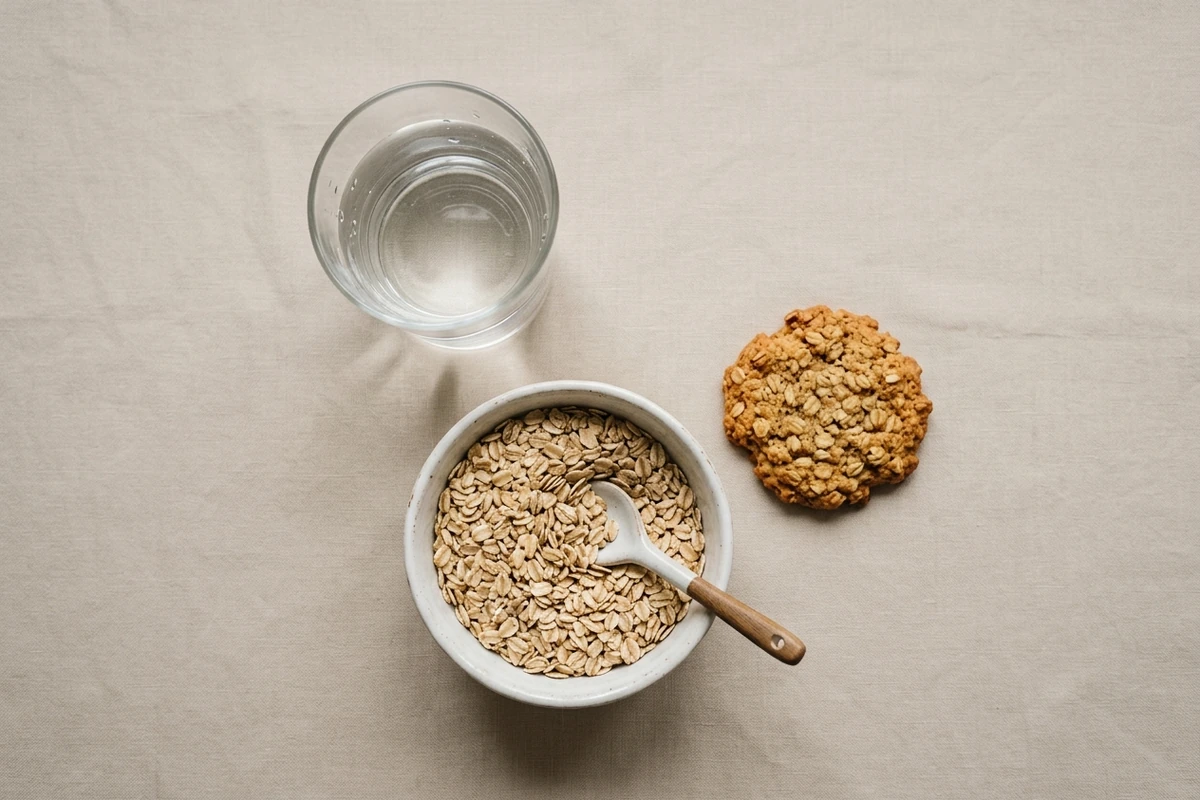
If the cookie is not the lever, what is? Milk production runs largely on supply and demand, and the reliable drivers are well established.
| Driver of milk supply | Why it matters |
|---|---|
| Frequent, effective milk removal | Demand signals the body to make more |
| Good latch and positioning | Empties the breast efficiently |
| Hydration and adequate calories | Raw materials for milk production |
| Lactation support when needed | A consultant can spot fixable problems |
The single biggest factor is frequent, effective milk removal. The more milk is removed, by a well-latched baby or by pumping, the more the body is signaled to make. A poor latch, infrequent feeding, or an underlying issue can hold supply down no matter how many cookies are involved, which is exactly why a lactation consultant or doctor is the right call for a genuine supply concern. Reputable parenting-health resources such as the breastfeeding section from the American Academy of Pediatrics emphasize feeding frequency, latch, and professional support over food-based fixes. A cookie can be part of staying nourished and rested, but it cannot replace those fundamentals.
Should You Bother With Lactation Cookies?
Here is the balanced take. If you enjoy them, lactation cookies are a perfectly fine snack and a pleasant way to get some oats, fiber, and calories during the demanding early weeks, when remembering to eat at all is a win. There is no harm in baking a batch and keeping them on hand, and the ritual of a warm cookie and a glass of water during a feed has real comfort value.
What you should not do is rely on them to solve a supply problem or feel like you failed if they do not work, because the evidence says most of them will not move supply on their own. Spend your energy on the things that do matter, get help early if feeding is painful or your baby is not gaining, and treat the cookies as a treat rather than a treatment. If you want the comfort of a wholesome oat cookie without the lactation marketing or markup, a simple homemade oatmeal cookie gives you the same oats and warmth, and a spiced molasses cookie adds iron-rich molasses if that is the appeal. For oat-forward snacks built around whole ingredients, the gluten-free snacks and sides collection from our network is useful if you also need gluten-free, and lower-sugar keto snacks can round out a tray if you are watching sugar.
How to Set Realistic Expectations
The hardest part of the lactation-cookie conversation is emotional, not nutritional. New parents are often handed these cookies at a vulnerable moment, sometimes while worrying that their supply is low, and the marketing can imply that a cookie will fix the problem. When it does not, the disappointment can feel like a personal failure, which it absolutely is not. Setting expectations up front protects you from that spiral: think of the cookie as a comforting, calorie-dense snack that pairs nicely with rest and hydration, and nothing more.
It also helps to separate two different goals. If your goal is simply to enjoy a wholesome oat cookie during a demanding stretch, lactation cookies are a fine choice and there is no reason to overthink them. If your goal is to solve a genuine supply concern, the cookie is the wrong tool, and reaching for it instead of getting evaluated can delay help that actually works. Knowing which goal you are pursuing keeps you from asking a snack to do a job it cannot do.
When to Seek Professional Help
Some signs point to a feeding issue that deserves prompt, personalized attention rather than a food-based fix. Persistent pain during feeding, a baby who is not gaining weight as expected, very few wet or dirty diapers, or a baby who seems hungry and unsettled after most feeds are all reasons to contact a pediatrician or an International Board Certified Lactation Consultant. These professionals can check the latch, watch a full feed, weigh the baby before and after feeding, and identify fixable problems that no cookie could address.
This is also the right channel for questions about specific ingredients. Fenugreek, for example, is the lactation-cookie add-in most likely to have an effect, but it can cause digestive upset and may not be appropriate for everyone, so a professional can tell you whether it makes sense in your situation. The broad point is that lactation is a health topic, and the cookies sit at the very edge of it as food. For anything that feels like a real problem, get a person, not a package.
A Sensible Way to Enjoy Them
None of this means you should avoid lactation cookies. It means you should enjoy them honestly. Bake or buy them because you like an oaty, slightly indulgent cookie and because having a ready snack during cluster feeds is genuinely helpful, not because you expect them to turn the dial on supply. Keep the sugar reasonable, lean on the oats and other whole ingredients, and treat the warm-cookie-and-water ritual during a feed as the small comfort it is.
If you want the comfort without the lactation label or the premium price, a plain homemade oat cookie delivers the same oats and warmth for a fraction of the cost, and you control exactly what goes in. That is often the most satisfying answer for tired parents: a simple, wholesome cookie you can make in one bowl, eaten without any pressure to perform a medical function. Enjoyed that way, the cookie does exactly what a cookie should, which is taste good and make a hard day a little softer.
Lactation Cookies in Context
It is worth placing lactation cookies in the wider picture of postpartum eating. The early weeks with a newborn are physically demanding, and many parents simply do not eat or drink enough because they are stretched thin. In that light, the genuine value of a lactation cookie is that it is an easy, one-handed, calorie-dense snack you can grab during a feed, often alongside a glass of water. Those calories and that hydration support your overall well-being, which matters, even though they are not a targeted supply booster.
So the most accurate way to frame these cookies is as nourishment and comfort rather than medicine. A varied diet, enough fluids, rest where you can get it, and good feeding support are the foundation, and a cookie can be a small, pleasant part of that picture. Where the marketing oversells is in promising a direct effect on milk that the evidence does not back up. Keep the realistic version in mind, enjoy the cookie for what it genuinely offers, and route any actual supply worries to a professional who can assess the things that truly move the needle. Held to that standard, lactation cookies have a perfectly reasonable place on the counter.
Reading Lactation Cookie Labels
If you do buy commercial lactation cookies, the label is worth a careful look, because the category is lightly regulated and the marketing can run ahead of the contents. Check the ingredient list first: you want to see real whole foods like rolled oats, ground flaxseed, and brewer’s yeast near the top rather than a long list of additives with a tiny sprinkle of the headline galactagogues. Watch the sugar, too, since many of these cookies are as sweet as any dessert cookie, and a daily habit can add up quickly during a stretch when you may already be snacking more than usual.
Be skeptical of strong claims. Phrases that promise to boost or increase supply are marketing language, not proven outcomes, and the rigorous evidence does not support them. A more honest label will describe the cookies as a supportive snack rather than a treatment, which is the accurate framing. None of this means a well-made commercial cookie is a bad choice if you enjoy it; it simply means you are buying a wholesome oat cookie at a premium price, and you should judge it on taste, ingredient quality, and sugar content rather than on any promise about milk. Read it the way you would read any snack label, and you will not be disappointed by what the cookie can actually do.
Frequently Asked Questions
Do lactation cookies actually increase milk supply?
The best available evidence says probably not on their own. A rigorous randomized controlled trial found no significant difference in milk production between people who ate commercial lactation cookies and those who ate ordinary cookies, and a Cochrane review found the research on herbal galactagogues too weak to draw firm conclusions. Any benefit people notice is likely a mix of extra calories, rest, comfort, and placebo, all valuable but not a true supply boost. Talk to a lactation consultant for an evidence-based plan.
Are lactation cookies safe to eat while breastfeeding?
For most people the common ingredients, oats, brewer’s yeast, and flaxseed, are safe in normal food amounts. The ingredient to be cautious with is fenugreek, which can cause digestive upset and may interact with some medical conditions or medications, so check with your doctor before relying on it. As with any food during breastfeeding, watch for any reaction in yourself or your baby and raise concerns with a professional.
When should I start eating lactation cookies?
There is no medically established start time, since the cookies are food rather than medicine. Some parents eat them in late pregnancy or the early postpartum weeks for the comfort and calories. Because the evidence does not show a reliable supply effect, timing is more about your own enjoyment and nutrition than any treatment schedule. If you have a specific supply concern, the better move is to get personalized advice early rather than waiting on a cookie.
Can I make lactation cookies at home?
Yes, and it is cheaper than buying them. Start with a basic oatmeal cookie and stir in the traditional add-ins, rolled oats, a tablespoon or two of brewer’s yeast, and ground flaxseed, adjusting to taste. Homemade lets you control the sugar and avoid the markup on packaged versions. Just keep your expectations realistic: a homemade lactation cookie is a wholesome oat cookie, and the same evidence caveats about supply apply whether you bake it or buy it.