Keeping cookies soft is really two problems wearing the same coat. The first is baking cookies that start out soft, which comes down to your recipe and how long you leave them in the oven. The second is keeping them that way after they cool, which is entirely about storage and moisture. Most people only think about the second half and wonder why their cookies turn to hockey pucks by day two. The truth is that softness is built in the bowl and the oven, then protected on the shelf, and you need both halves to win.
Bad storage ruins as many cookies as bad baking, so both deserve attention. This guide walks through how to bake for softness, how to store for softness, the famous bread-slice trick and why it works, how to revive cookies that have already gone hard, and the recipe tweaks that bake softness right in. By the end you will know exactly which lever to pull when your cookies are not as soft as you want.
Softness Starts Before the Oven
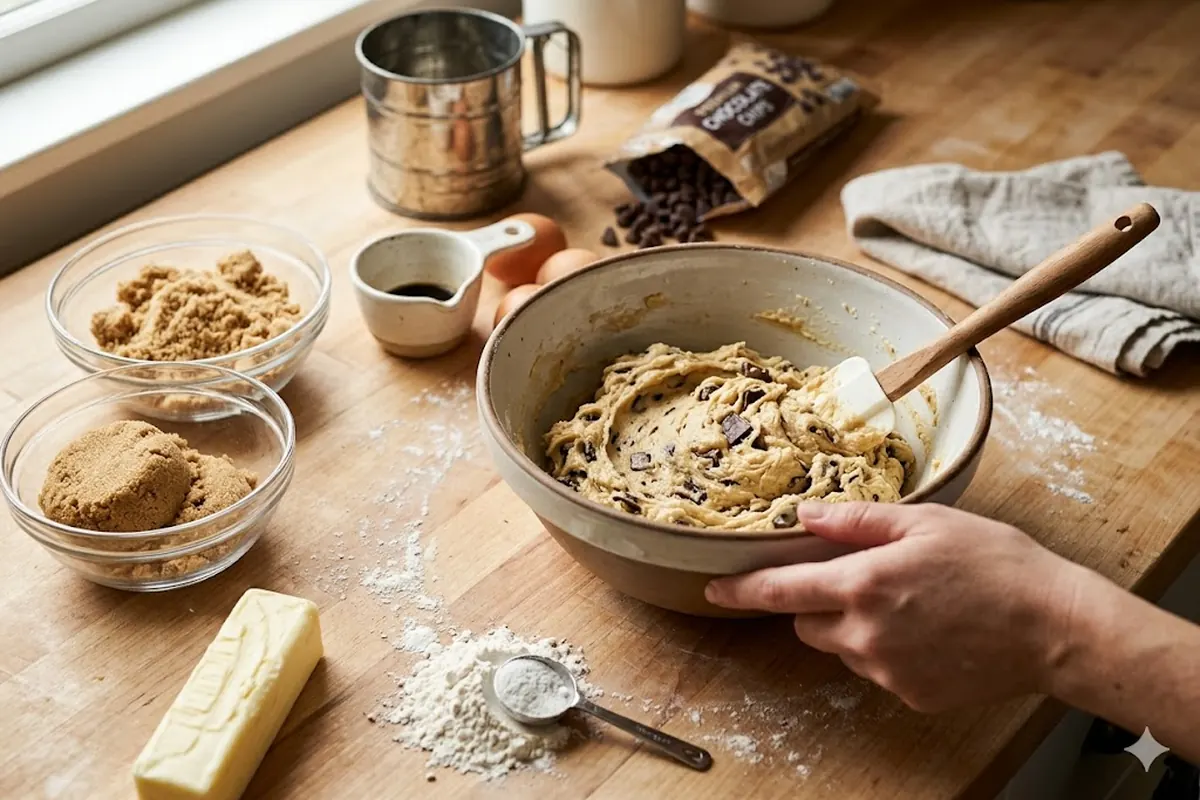
The single biggest factor in how soft a cookie stays is how much moisture it holds and how well it hangs onto it. That is decided by your ingredients long before storage enters the picture. A cookie built to be soft will resist drying out for days; a cookie built to be crisp will go stale fast no matter how you store it.
| Ingredient choice | Effect on softness |
|---|---|
| More brown sugar than white | Holds moisture; softer, chewier cookie |
| Add an extra egg yolk | Richness and tenderness, less spread |
| Use cornstarch (1 to 2 tsp) | Softer, more tender crumb |
| Underbake by 1 to 2 minutes | Centers stay soft as they set on the pan |
| Cake flour or part bread flour | Lower or higher protein changes chew |
| A touch of honey or corn syrup | Hygroscopic; keeps cookies moist longer |
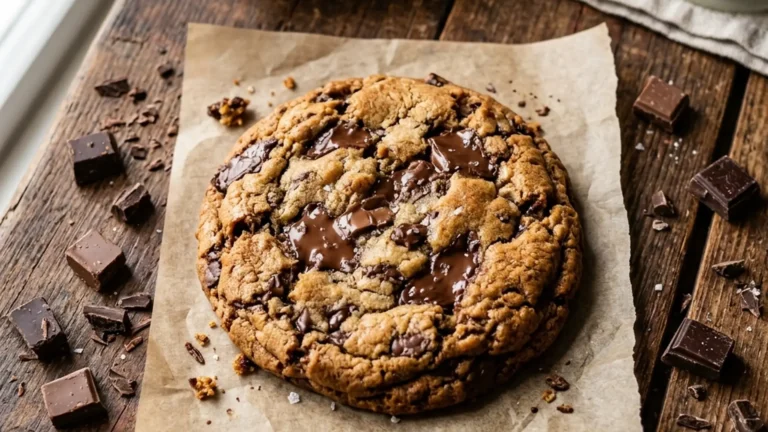
The two heaviest hitters are brown sugar and bake time. Brown sugar contains molasses, which is hygroscopic, meaning it attracts and holds water; that is why a brown-sugar-heavy cookie stays chewy while a white-sugar cookie goes crisp. You can read why in the chemistry of brown sugar. The other lever is pulling cookies from the oven slightly early, when the centers still look a touch underdone. They finish setting from residual heat on the hot pan, and that is how you lock in a soft middle. The same principle drives a good batch of chocolate chip cookies: bake to just-set, not to fully firm.
The other ingredient tweaks on the chart are worth understanding rather than just copying. An extra egg yolk adds fat and emulsifiers that keep cookies tender without making them spread, which is why so many soft-cookie recipes call for one. A spoonful of cornstarch softens the crumb by interfering with gluten development, giving that melt-in-the-mouth texture you find in the softest bakery cookies. And a small amount of honey or corn syrup, because both are hygroscopic like brown sugar, helps cookies hold moisture for days longer. None of these are magic on their own, but stacked together they bake softness so deep into the cookie that storage almost becomes an afterthought. If your cookies go hard no matter how carefully you store them, the fix is usually in the recipe, not the container.
Flour choice matters too, in both directions. Lower-protein flours like cake flour produce a more tender, delicate cookie, while higher-protein bread flour builds more chew and structure. Neither is wrong; it depends on the texture you are chasing. Soft and tender leans toward less protein, soft and chewy leans toward a bit more. Most all-purpose flours sit comfortably in the middle, which is why they are the default, but knowing the dial exists lets you nudge a recipe toward the mouthfeel you actually want.
How to Bake for a Soft Center
Beyond ingredients, a few baking habits keep cookies soft.
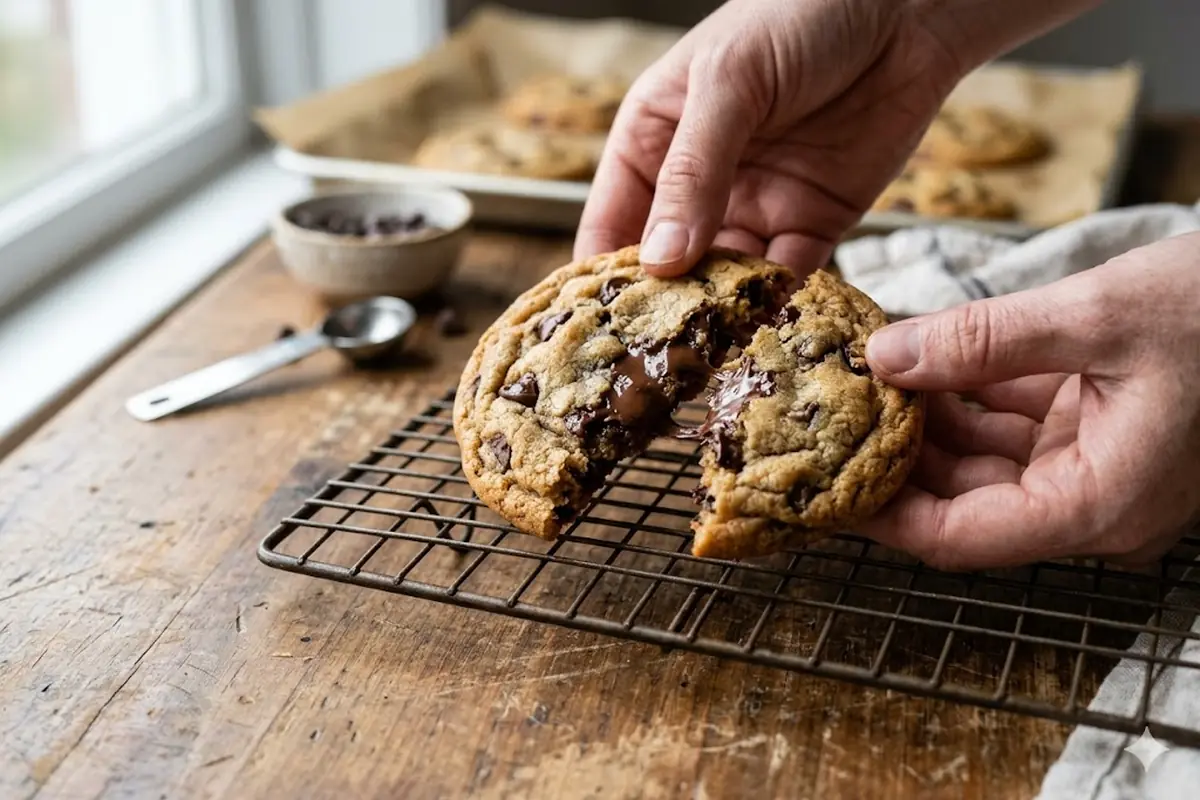
- Do not overbake. This is the number one cause of hard cookies. Pull them when the edges are set and lightly golden but the centers still look slightly soft and shiny. They will firm up as they cool.
- Watch the shine. A reliable doneness cue from King Arthur Baking is the surface losing its wet shine; once the tops go matte, they are done. Their full breakdown of how to keep cookies soft is worth a read.
- Cool on the pan briefly, then move them. A couple of minutes on the hot sheet finishes the bake; leaving them too long keeps cooking them. Transfer to a rack once set.
- Use light-colored pans. Dark pans run hotter and over-bake bottoms, which dries cookies out. A clean, light sheet bakes more gently.
- Check your oven temperature. Many home ovens run hotter or cooler than the dial says, and an oven that runs hot will overbake and dry cookies before the timer goes off. An inexpensive oven thermometer tells you the truth, and adjusting for it fixes a surprising number of hard-cookie complaints.
- Bake one sheet at a time when you can. Crowding two racks blocks airflow and bakes unevenly, so some cookies sit in the oven longer than they should while you wait for the others. If you must bake two sheets, swap their positions halfway through.
None of these habits require new equipment beyond a cheap thermometer, and together they remove most of the guesswork that leads to overbaked, dried-out cookies. Baking is forgiving once your oven is honest and your timing is consistent. The bakers who reliably pull soft cookies are not following a secret recipe; they are simply not overbaking, because they have removed the variables that cause it.
If your cookies are coming out flat as well as hard, that is a separate issue with fat and structure rather than bake time, and it is worth diagnosing on its own.
Consistency in size helps more than people expect. When cookies on a sheet are wildly different sizes, the small ones overbake and dry out while you wait for the big ones to finish. A cookie scoop gives you uniform portions that all reach doneness at the same moment, so none of them get sacrificed. It is a small tool that pays for itself in saved batches, and it is the difference between a tray where every cookie is soft and a tray where half of them are crunchy by accident. Rotate the pan halfway through baking as well, since most home ovens have hot spots that brown one side faster than the other.
The Storage Rules That Keep Cookies Soft
Once your cookies are baked right, storage decides whether they stay soft for a day or a week. The enemy is air, which slowly pulls moisture out of the cookie. Beat the air and you keep the softness.
| Storage method | How long cookies stay soft | Key detail |
|---|---|---|
| Airtight container + bread slice | 5 to 7 days | Replace the bread every 2 days |
| Airtight container, no bread | 3 to 4 days | Good but they slowly firm up |
| Cookie jar (loose lid) | 1 to 2 days | Too much air; they dry fast |
| Refrigerator | Not recommended | Cold dry air pulls moisture out |
| Freezer, airtight | Up to 3 months | Thaw at room temp; texture returns |
The rules that matter most: always cool cookies completely before storing, because warm cookies release steam that turns to condensation and makes them soggy, then stale. Use a truly airtight container, not a decorative cookie jar with a loose lid, which lets in the air you are trying to keep out. And never refrigerate soft cookies; the cold, dry environment of a fridge is one of the fastest ways to dry them out, the opposite of what you want. For the bigger picture on shelf life across cookie types, see our guide to how long homemade cookies last.
The Bread Slice Trick (And Why It Works)
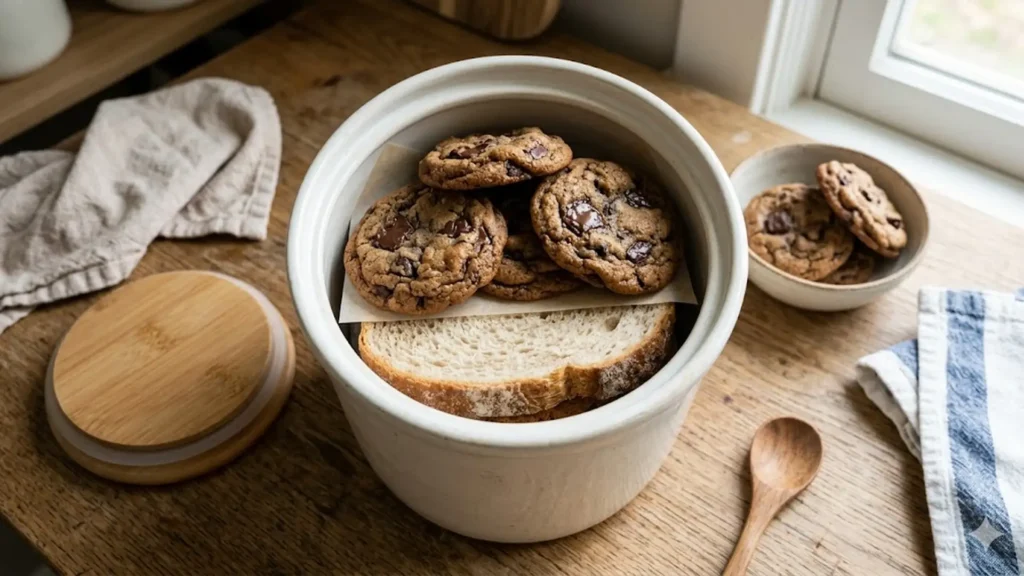
This is the classic move and it genuinely works. Put a slice of plain white bread in the airtight container with your cookies. The cookies and the bread reach a moisture equilibrium, and because the bread holds more free moisture, the cookies draw from it instead of giving up their own. The bread goes stale and hard while your cookies stay soft. Swap in a fresh slice every couple of days, since a dried-out slice has nothing left to give.
A few notes from using this trick for years. Use plain sandwich bread, not a flavored or seedy loaf, unless you want those aromas migrating into your cookies. An apple slice works similarly and adds a faint sweetness, though it needs replacing sooner because it can mold. A brown sugar saver, the little terra cotta disk you soak in water, does the same job and never needs replacing. Any of these work; they are all just a controlled source of humidity inside a sealed box.
There is a limit to the trick worth knowing. The bread keeps soft cookies soft, but it will not turn a crisp cookie chewy, and if you leave cookies sealed with bread for too long they can edge past soft into slightly damp. Check them after a day or two and remove the bread once they are where you want them. The goal is balance, not maximum moisture. Think of the bread as a dial you can turn off once the cookies have reached the texture you are after, rather than something that has to live in the container forever.
Keep Different Cookies Apart
One storage detail people miss: do not store soft and crisp cookies together. Moisture migrates from the soft ones to the crisp ones, leaving you with two batches of mediocre, mushy cookies instead of one soft and one crunchy. Store each type in its own container. The same goes for strongly flavored cookies; a gingerbread will perfume a vanilla cookie if they share a box. If you bake a variety, as you might when working through different types of cookies for a holiday tin, keep them separated until you are ready to plate them together.
How to Soften Cookies That Already Went Hard
All is not lost when cookies have gone stiff. You can put moisture back, at least temporarily.
- The bread trick, in reverse. Seal the hard cookies in a container with a fresh slice of bread overnight. They will pull moisture back and soften noticeably by morning. This is the gentlest fix and the one to try first.
- The microwave rescue. Wrap a cookie in a damp paper towel and microwave it for 10 to 20 seconds. The steam softens it fast. Eat it right away, though, because it will harden again as it cools and can turn tough if you overdo the time.
- A quick warm in the oven. A few minutes in a low oven revives the texture and aroma, especially for cookies you plan to serve warm.
These are short-term fixes for cookies you are about to eat, not a way to store them long term. If you want cookies to keep for weeks, freezing is the real answer.
It is worth saying what these fixes cannot do. They put surface moisture back, but they do not undo overbaking; a cookie that was baked into a dry, crumbly brick will soften a little but never return to fresh. That is why baking for softness in the first place matters so much. Revival tricks buy you a save on a batch that drifted a bit stale on the counter, not a rescue for cookies that were doomed in the oven. Set your expectations accordingly and use the tricks for what they are good at.
Freezing: The Best Long-Term Softness Insurance
Freezing is by far the most effective way to keep cookies soft over weeks rather than days. Cool them completely, then layer them in an airtight freezer bag or container with parchment between the layers so they do not stick. They keep for up to three months. To serve, let them thaw at room temperature, still sealed, and the texture comes back remarkably close to fresh. You can also freeze the dough instead of the baked cookies and bake on demand for cookies that are always fresh out of the oven; our notes on freezing cookie dough cover that route. Bakers who manage dietary versions, like soft gluten-free desserts that can dry out faster, lean on the freezer especially hard, and so do those keeping a stash of keto desserts on hand for a sweet craving.
Putting It All Together
Soft cookies are not luck; they are a chain of small decisions that each protect moisture. Lean on brown sugar and consider an extra yolk or a little cornstarch in the recipe. Bake to just-set and pull them while the centers still look soft. Cool them completely, then seal them in an airtight container with a slice of bread, keeping different types apart. Skip the fridge entirely and use the freezer for anything you want to keep past a few days. And when a batch does firm up, the bread trick or a quick steam in the microwave will bring it back enough to enjoy. Do those things and a soft, fresh-tasting cookie on day five stops being a happy accident and becomes the normal result.
If you bake often, the habit that helps most is thinking about softness at every stage instead of only at the end. The baker frustrated by hard cookies is usually doing one thing right and two things wrong, and fixing any one link in the chain helps. Fix all of them and the problem disappears for good. That is the real answer to keeping cookies soft: it is not a single trick but a set of small, repeatable choices that together hold the moisture in.
FAQ
Why do my cookies get hard after a day?
They are losing moisture to the air, and often they were slightly overbaked to begin with. Store them in a truly airtight container with a slice of bread, and next time pull them from the oven when the centers still look a touch soft. Both changes together make a big difference.
Does putting bread in with cookies really keep them soft?
Yes. The cookies and the bread reach a moisture balance, and since the bread holds more free moisture, the cookies draw from it instead of drying out. The bread hardens while the cookies stay soft. Replace the slice every couple of days for the effect to continue.
Should I store soft cookies in the fridge?
No. The fridge has cold, dry air that pulls moisture out of cookies and dries them faster than the counter does. Keep soft cookies in an airtight container at room temperature, and use the freezer, not the fridge, for long-term storage.
How do I make hard cookies soft again?
Seal them in a container with a fresh slice of bread overnight to draw moisture back in, or wrap one in a damp paper towel and microwave it for 10 to 20 seconds for an instant fix. The microwave method works only right before eating, since the cookie firms up again as it cools.