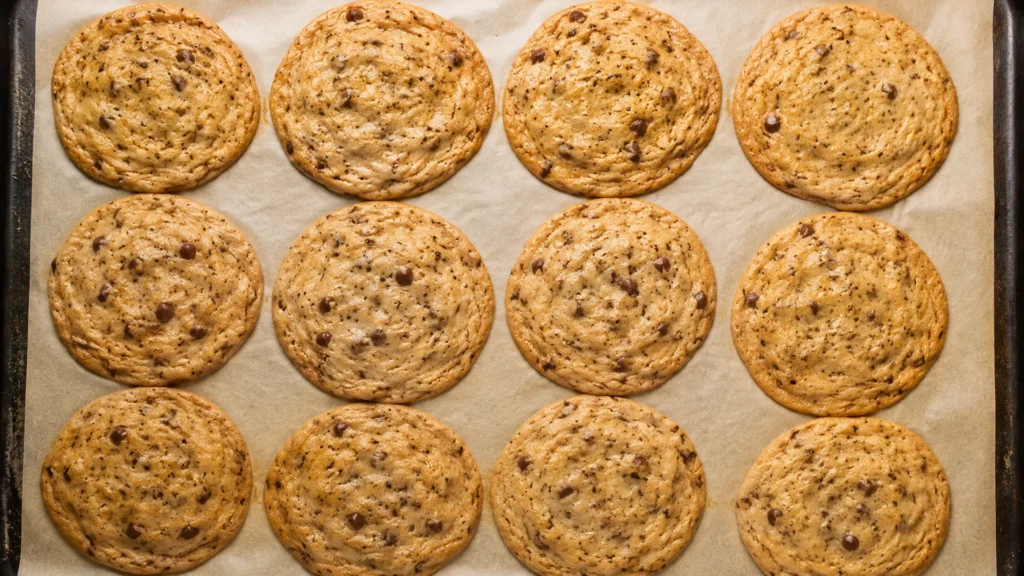
How long do homemade cookies last? About a week at room temperature in an airtight container, up to two weeks in the fridge, and three months or more in the freezer. Those are the headline numbers, but the honest answer depends on the cookie. A plain crisp sugar cookie keeps far longer than a soft one filled with cream cheese frosting, and how you store it matters as much as how long. Get the storage right and a batch you bake on Sunday is still good the following weekend.
This guide breaks down exactly how long cookies last at room temperature, in the fridge, and in the freezer, how cookie type changes the timeline, the right way to store soft versus crispy cookies, how long raw cookie dough keeps, how to tell when a cookie has actually gone bad, and a few tricks to revive ones that have started to stale. Keep it handy and you will never throw out a good cookie or eat a questionable one again.
The Quick Answer
For most standard cookies, the timeline looks like this: around one week at room temperature, up to two weeks refrigerated, and one to three months frozen. Crisp, low-moisture cookies on the higher end and soft or filled cookies on the lower end. The single most important factor is an airtight container, because air is what stales a cookie, dries out a soft one, and softens a crisp one. The second factor is the ingredients, since anything with dairy or egg-based frosting or filling has a much shorter clock.
| Storage | Most cookies | Frosted or cream-filled |
|---|---|---|
| Room temperature | About 1 week | 1-2 days, then refrigerate |
| Refrigerator | Up to 2 weeks | 5-7 days |
| Freezer | 1-3 months | 2-3 months (frost after thawing) |
Room Temperature Storage
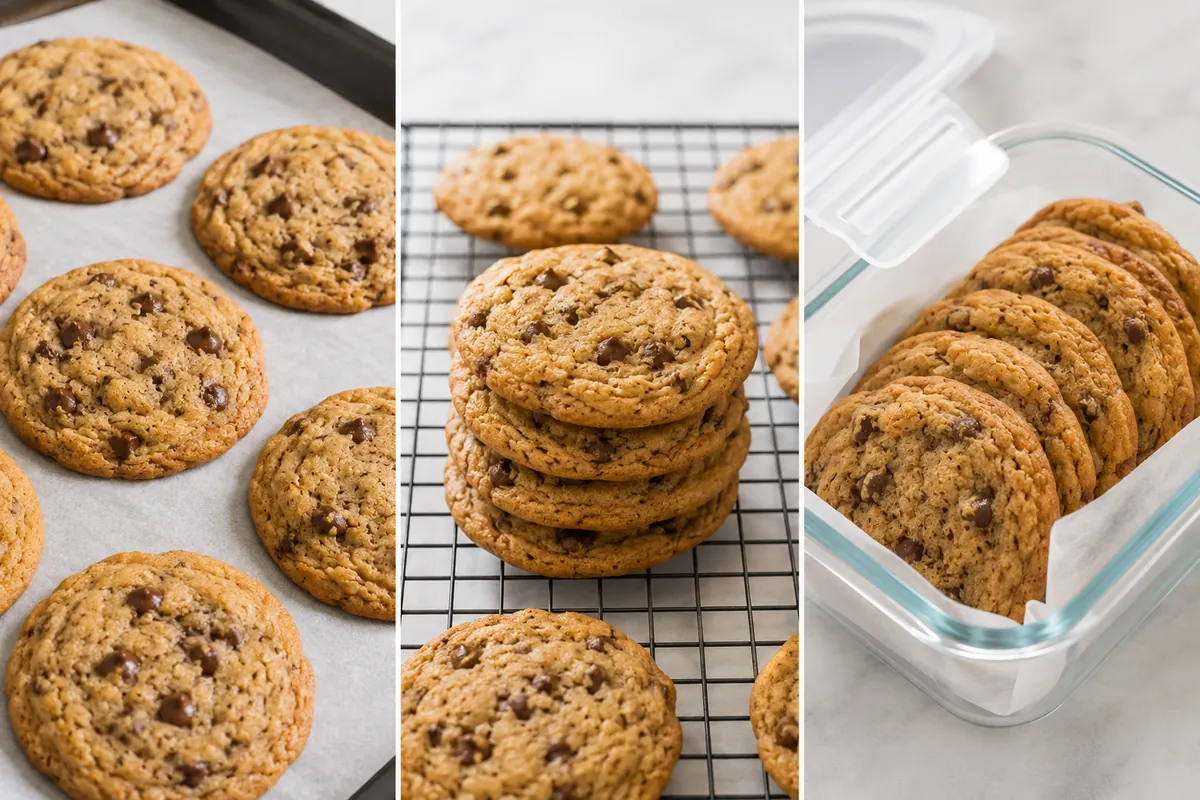
The counter is where most cookies live, and for ordinary baked cookies it is the right place for the first week. Cool the cookies completely before storing, because any residual warmth creates condensation inside the container that turns into sogginess and invites mold. Then seal them in an airtight container, not a loosely covered plate or a cookie jar with a gap, since exposure to air is the fastest route to stale. Kept this way, in a cool spot out of direct sun, a standard cookie holds its quality for about seven days, and very crisp, low-moisture cookies can stretch to two weeks. The exceptions are anything perishable, like cookies with cream cheese, custard, or whipped fillings, which should not sit out more than a day or two.
Soft Cookies vs Crispy Cookies: Store Them Differently
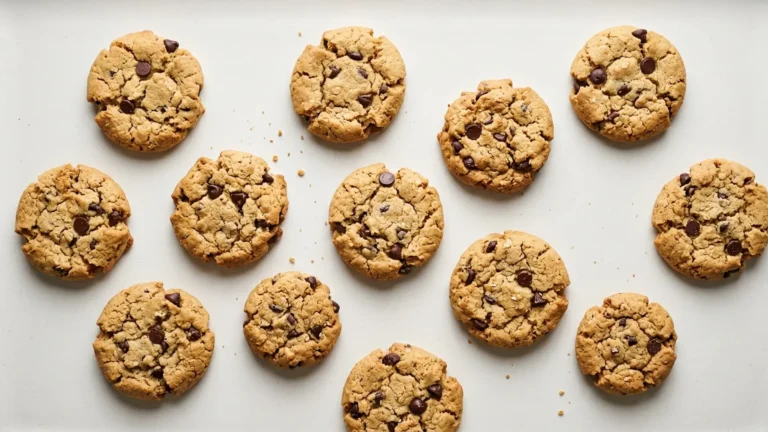
The biggest storage mistake is treating all cookies alike, because soft and crispy cookies want opposite conditions. Soft, chewy cookies need to keep their moisture, so seal them tightly and add a slice of plain white bread to the container; the cookies pull moisture from the bread and stay soft for days. Crispy cookies need to stay dry, so they actually prefer a container with a little air flow and absolutely no bread slice, which would turn them soft and sad. The cardinal rule is never store soft and crispy cookies in the same container, because the soft ones give off moisture that ruins the crisp ones, and you end up with two batches of mediocre cookies instead of one of each done right. A pillowy cookie like hot cocoa cookies wants the bread-slice treatment, while a thin, snappy cookie should be kept dry.
Refrigerator Storage
The fridge extends shelf life to about two weeks, but it is not automatically better. Cold, dry refrigerator air can dry out and stale many cookies faster than the counter, and it can make crisp cookies lose their snap, so for ordinary cookies you plan to eat within a week, the counter is usually the better choice. Where the fridge earns its place is for anything perishable: cookies frosted or filled with dairy or eggs, like cream cheese frosting or custard, belong in the fridge and keep there for five to seven days. If you do refrigerate, use an airtight container, make sure the cookies are fully cool first to avoid condensation, and let them come back to room temperature before serving so the texture and flavor return.
Freezer Storage
Freezing is the best way to keep cookies for the long haul, preserving quality for one to three months with very little loss. Cool the cookies completely, then freeze them in a single layer on a tray until solid before transferring to an airtight freezer bag or container, which stops them sticking together and lets you grab a few at a time. Press out as much air as possible to prevent freezer burn, and label the bag with the date. To serve, let them thaw at room temperature for fifteen to thirty minutes, or warm them briefly in a low oven for a just-baked feel. Frost or fill cookies after thawing rather than before, since frostings can weep or change texture in the freezer. Sturdy bars freeze especially well, so a pan of loaded cookie bars is a smart make-ahead.
How Long Does Cookie Dough Last?
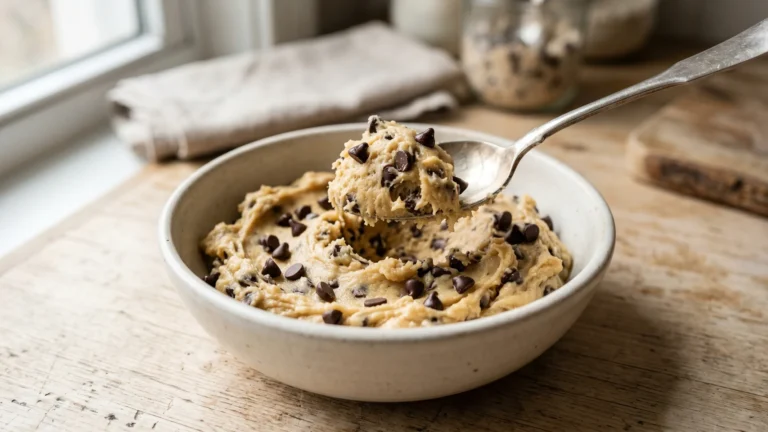
Raw dough has its own timeline, and storing it is often smarter than storing baked cookies because you get fresh-baked results on demand. In the fridge, most cookie dough keeps three to five days in an airtight container or tightly wrapped, and the rest is a bonus, since chilled dough bakes thicker. In the freezer, dough lasts about three months, and the best approach is to scoop it into balls, freeze them solid on a tray, then bag them so you can bake just a few straight from frozen, adding a minute or two to the time. Doughs made with raw egg should always be baked, not eaten raw, and if you want a spoonable treat you need a recipe specifically formulated to be edible. The same chill-and-freeze logic applies to allergy-aware baking, and it carries over neatly to a rotation of gluten-free doughs as well.
How to Tell If Cookies Have Gone Bad
Cookies are low-moisture, so they usually go stale long before they become unsafe, but a few signs mean it is time to toss them. Visible mold, which can look like fuzzy green, white, or black spots, means the whole batch goes in the trash, not just the affected cookie. An off, rancid, or sour smell points to spoiled fats or dairy and is a clear stop sign, especially for cookies with butter-heavy or filled centers. A strange taste, excessive hardness, or a texture that has turned unpleasantly chewy or damp also signals the end of their good life. Cookies with perishable fillings spoil faster and should be judged more strictly than a plain dry cookie. When in doubt, throw it out, since the cost of a cookie is not worth the risk.
How to Revive Stale Cookies
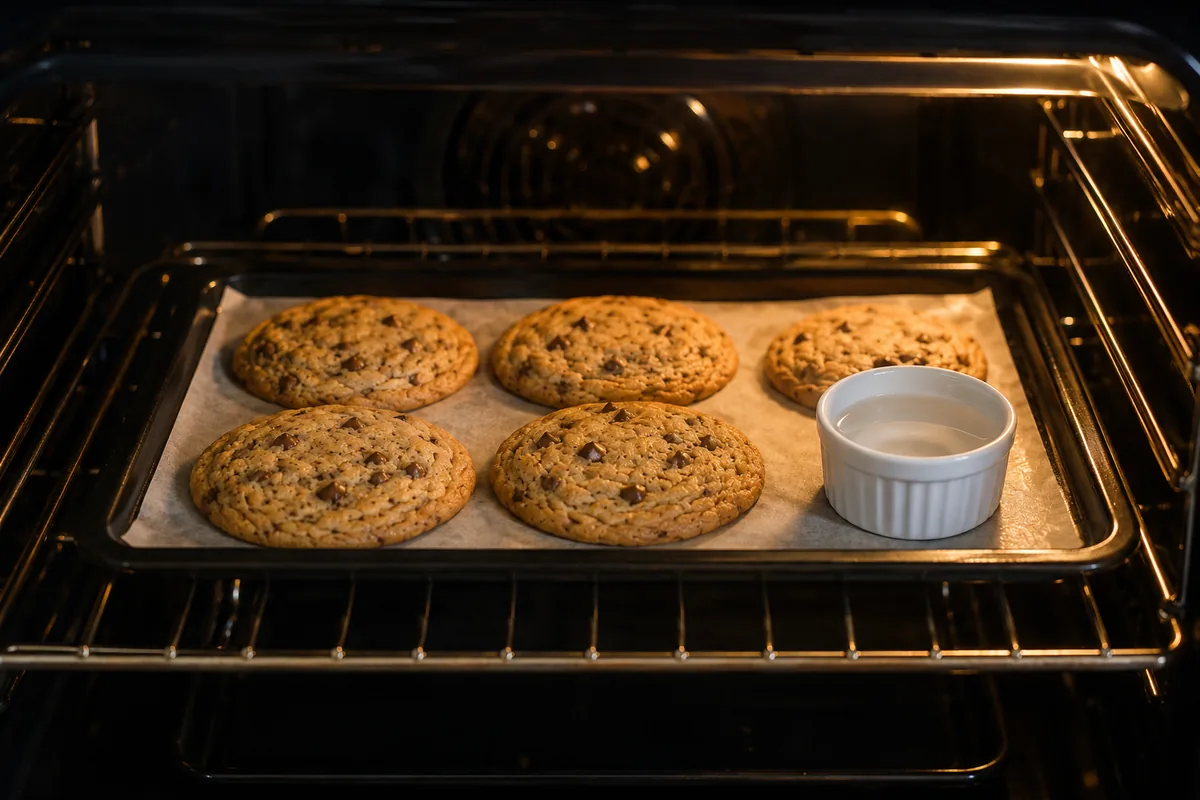
Stale is not the same as spoiled, and a cookie that has merely dried out can often be brought back. For soft cookies that have firmed up, seal them in a container with a slice of bread for a day and they will soften as they draw in moisture. For any cookie, a brief warm-up in a 300 degree oven for three to five minutes refreshes the texture and revives the aroma, almost like it just came out of the oven. Crisp cookies that have gone soft can be re-crisped the same way, a few minutes in a low oven, then cooled. These rescues work on staleness only; they cannot fix a cookie that has actually spoiled, so check for mold and off smells first.
Storage Tips That Make Cookies Last Longer
- Cool completely before storing to avoid condensation and sogginess.
- Always airtight, since air is what stales cookies fastest.
- Separate soft and crispy into different containers.
- Bread slice for soft cookies to keep them moist for days.
- Freeze for the long haul, in a single layer first, then bagged.
- Refrigerate anything with dairy or egg frosting or filling.
- Layer with parchment between delicate or frosted cookies so they do not stick.
Do these and even a delicate cookie like snowflake cookies keeps its texture for the better part of a week. For the science behind why moisture and air drive staling, the testing kitchens at America’s Test Kitchen and Bon Appetit are reliable reading.
Does the Type of Cookie Change How Long It Lasts?
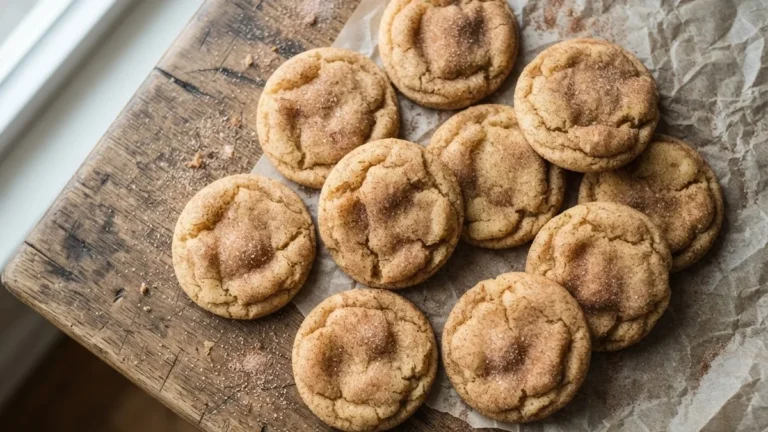
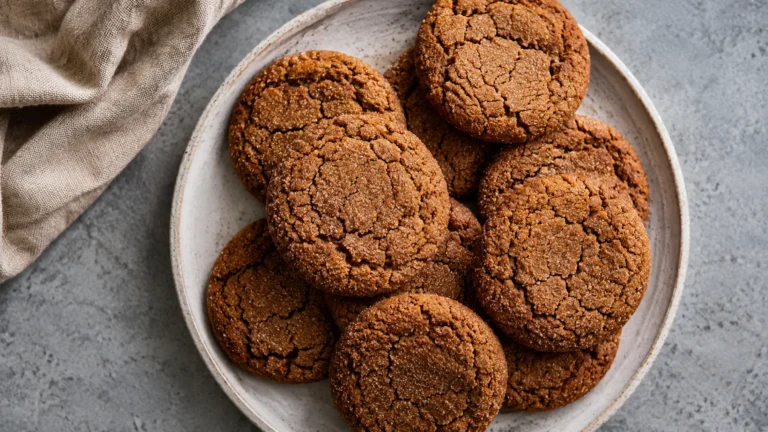
It changes it a lot, because shelf life tracks closely with moisture and perishable ingredients. Dry, crisp cookies like shortbread, biscotti, and thin sugar cookies are the longest keepers, easily lasting two weeks at room temperature and sometimes longer, since there is little moisture for staling or mold to work with. Soft and chewy cookies sit in the middle, holding well for about a week before they begin to dry out. The shortest-lived are cookies with perishable components: anything frosted with cream cheese or buttercream, filled with custard or jam, or sandwiched with a dairy cream goes on a five-to-seven-day clock and usually needs refrigeration. Cookies with fresh fruit or a high-moisture mix-in also spoil faster than a plain dough. So when you ask how long a batch will last, the honest first question is what kind of cookie it is, because a crisp gingersnap and a frosted soft cookie live on completely different timelines even when baked the same day.
Homemade vs Store-Bought Shelf Life
Homemade cookies do not last as long as the packaged kind, and there is a simple reason. Commercial cookies are formulated with preservatives, stabilizers, and precise moisture control that stretch their shelf life to weeks or months at room temperature, which is why a boxed cookie can sit on a shelf far longer than anything from your oven. Homemade cookies have none of that, so their freshness window is measured in days to a couple of weeks depending on storage. That is not a downside, it is the trade-off for real butter and no additives, but it does mean you should treat the timelines in this guide as the real limits rather than assuming a homemade cookie will keep like a store-bought one. It also means freezing is your friend, since the freezer is the one way to give homemade cookies a long shelf life without changing the recipe. Bake a big batch, eat what you want fresh, and freeze the rest the same day for the best of both.
Timing Your Bake for Gifts and Events
If you are baking for a party, a holiday tin, or a mailed gift, working backward from the date avoids stale cookies. For an event, baking one to two days ahead keeps most cookies at their peak, and storing them airtight overnight is plenty. For cookies you plan to mail, choose sturdy, longer-keeping styles like drop cookies, bars, and shortbread rather than delicate or frosted ones, and bake them a day before shipping so they arrive within their best window. When you need a longer lead time, bake and freeze up to a few weeks out, then thaw the day before, which tastes far fresher than cookies baked early and left to sit. Frost or decorate after thawing, never before freezing, so the finish stays crisp and clean. A make-ahead bar such as chocolate blondies travels and keeps especially well, which makes it a reliable choice when timing and durability both matter.
Frequently Asked Questions
How long do homemade cookies last at room temperature?
Most baked cookies last about a week at room temperature in an airtight container, and very crisp, low-moisture cookies can stretch to two weeks. Cookies with dairy or egg-based frosting or filling should not sit out more than a day or two and belong in the fridge instead.
Do homemade cookies last longer in the fridge?
The fridge extends shelf life to about two weeks, but it can dry out or stale many cookies and soften crisp ones, so it is not always better. Use it mainly for perishable cookies with cream cheese, custard, or whipped fillings, which keep five to seven days refrigerated.
Can you freeze homemade cookies?
Yes, freezing is the best long-term option and keeps cookies fresh for one to three months. Freeze them in a single layer until solid, then transfer to an airtight bag with the air pressed out. Thaw at room temperature, and frost or fill them after thawing rather than before.
How long does homemade cookie dough last?
Cookie dough keeps three to five days in the fridge in an airtight container and about three months in the freezer. Freezing scooped dough balls lets you bake a few straight from frozen, adding a minute or two to the baking time. Dough with raw egg should always be baked, not eaten.
How can you tell if cookies have gone bad?
Toss them if you see mold, smell anything rancid or sour, or notice an off taste. Cookies usually go stale before they spoil, but filled and frosted cookies with dairy or eggs spoil faster and should be judged more strictly. When in doubt, throw it out.
Can you leave cookies out overnight?
Yes, ordinary baked cookies are fine left out overnight in an airtight container, since they are low-moisture and do not spoil quickly at room temperature. The exception is cookies with dairy or egg-based frosting or filling, like cream cheese or custard, which should be refrigerated rather than left on the counter. A loosely covered plate is not enough, because air staling is what dries cookies out fastest.
Why did my cookies get soft or hard after a day?
Texture drifts toward the humidity around them. Crisp cookies absorb moisture from the air and go soft, while soft cookies lose moisture and go hard, which is why storing them airtight and keeping soft and crispy types separate matters so much. A slice of bread in the container keeps soft cookies soft, and a few minutes in a low oven re-crisps cookies that have gone soft.
How do you keep cookies fresh and soft?
Store soft cookies in an airtight container with a slice of plain white bread, which gives off moisture the cookies absorb to stay soft for days. Keep crispy cookies separate and dry, with no bread slice, and never store soft and crispy cookies together.
Bottom Line
Homemade cookies last about a week at room temperature, up to two weeks in the fridge, and one to three months in the freezer, with frosted and cream-filled cookies on a shorter clock. The keys are simple: cool them completely, store them airtight, keep soft and crispy cookies apart, refrigerate anything perishable, and freeze whatever you cannot eat in time. Add a slice of bread for soft cookies and a quick warm-up to revive stale ones, and every batch you bake stays at its best for as long as possible. When in doubt about a particular batch, judge by the cookie in front of you rather than the calendar, since a dry crisp cookie and a cream-filled one age on completely different schedules, and your eyes and nose are the most reliable test of all.