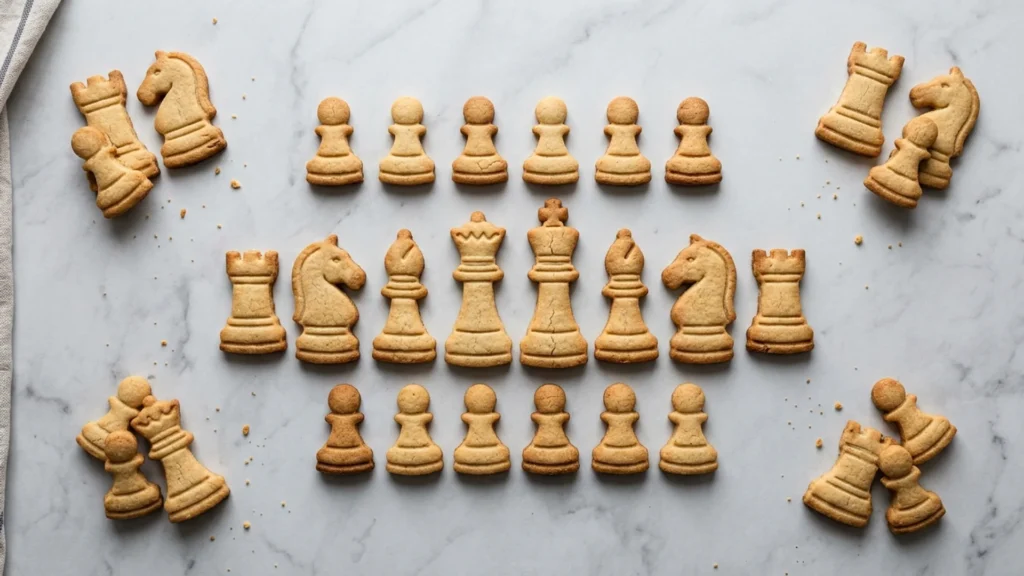
Chessman cookies are the buttery, crisp shortbread squares stamped with chess pieces that Pepperidge Farm has sold for more than fifty years, and they are far easier to make at home than their bakery-perfect look suggests. The name comes from the embossed king, queen, knight, and rook pressed into each cookie, a European-inspired design the brand built into one of its best-selling cookies. At their core they are a simple butter shortbread: rich, faintly salty, light and snappy, with no chocolate or fuss to hide behind. That simplicity is exactly why technique matters so much. With only a handful of ingredients, every choice shows in the finished cookie. The two challenges with this cookie are nailing the texture and, harder still, keeping the stamped chess design from blurring in the oven. This guide covers the history, a faithful copycat recipe, the cornstarch trick behind the crumb, and the freezing and egg-wash steps that keep those crisp little images sharp.
The Story Behind the Chess-Piece Cookie
The cookie traces back to Pepperidge Farm’s founder, who sailed to Europe on the Queen Mary in search of cookies that were delicate in flavor and texture. The European butter cookies she discovered became the basis for the brand’s distinct line, and the chess-piece version, stamped with the silhouettes of king, queen, bishop, knight, rook, and pawn, earned the name Chessmen. It has remained one of the company’s most popular cookies for decades precisely because it does one thing extremely well: a clean, buttery shortbread with a balance of sweet and salty and a crisp snap.
That heritage tells you what to aim for at home. This is not a soft, chewy American cookie. It is a European-style butter cookie: crisp, tender, and restrained in sweetness, where the flavor of good butter is the whole point. Recent years have even seen flavored spin-offs like salted caramel and brown butter pecan, but the original plain butter cookie is the one worth learning, because once you can bake that, every variation is a small tweak.
What Makes the Texture: Butter, Sugar, and Cornstarch
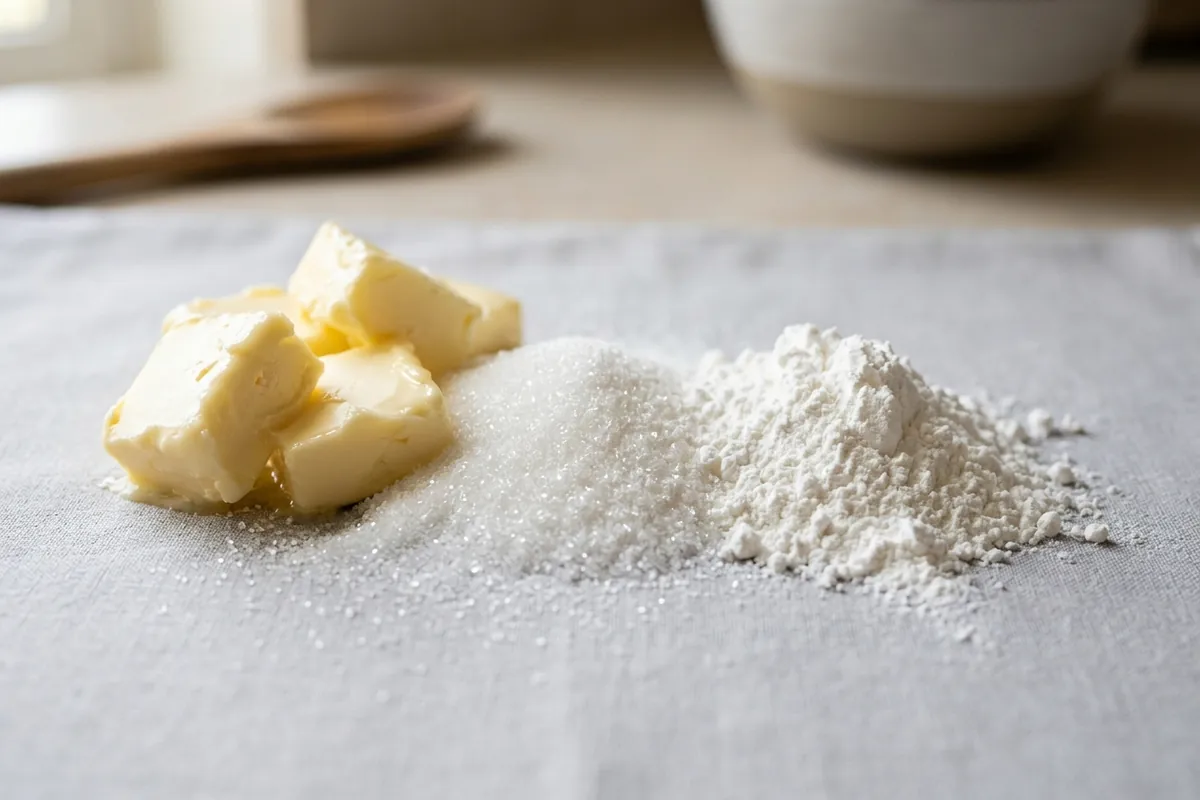
A true Chessman-style cookie is crisp and tender at once, and the secret ingredient that gets you there is cornstarch. A typical copycat uses about half a cup of cornstarch alongside two cups of all-purpose flour. The cornstarch has no gluten-forming proteins, so it interrupts the flour’s structure and produces a more delicate, sandy, melt-in-the-mouth crumb instead of a hard, dense one. Skip it and you get a tougher cookie that snaps rather than yields.
Butter does the flavor work, so use a good unsalted butter and let it come fully to room temperature before creaming. Cream it with the sugar only until smooth and combined, not whipped airy; too much air makes the cookie puff and lose its flat, crisp profile. The sugar amount is modest, around two-thirds of a cup, because this cookie is meant to be lightly sweet. A whole egg plus a tablespoon of milk binds the dough and keeps it workable. The result should be a soft, rollable dough that holds a sharp imprint, which is the entire challenge of this particular cookie. If you want to see how a different fat changes a soft cookie’s crumb entirely, compare this to the cream-based approach in the whipped cream cookie.
A Faithful Copycat Recipe
Cream 3/4 cup room-temperature unsalted butter with 2/3 cup sugar until smooth and light, about two minutes. Beat in 1 large egg, then 1 tablespoon milk. In a separate bowl whisk together 2 cups all-purpose flour, 1/2 cup cornstarch, and 1/4 teaspoon salt. Add the dry mix to the butter mixture gradually, mixing just until the dough comes together. Do not overwork it.
Roll the dough to a even 1/4-inch thickness on a lightly floured surface while it is still at room temperature, since cold dough cracks and refuses to take a clean stamp. Stamp your design, cut the cookies, and transfer them to a parchment-lined sheet. Freeze the stamped cookies for at least one hour. Preheat the oven to 375 degrees Fahrenheit, brush the raised parts of each design with whipped egg yolk, and bake about 9 minutes, until the egg-washed areas turn a light caramel gold. Cool on a rack. The cookies firm up as they cool into that signature crisp snap.
How to Stamp a Sharp Chess Design
The chess imprint is what makes these cookies recognizable, and keeping it crisp is the real skill. The traditional tool is a springerle mold, a carved cookie stamp made for embossing dough. Dust it lightly with flour before each press so the dough releases cleanly without sticking and tearing the image. Press straight down with real force, your full weight if needed, so the design bites deep into the dough. A shallow press disappears in the oven.
Work with room-temperature dough for stamping; it takes detail far better than chilled dough, which cracks at the edges of the design. After stamping, cut each cookie out cleanly with a bench scraper or sharp knife rather than dragging the dough, which distorts the fresh imprint. If you do not own a springerle mold, any deeply carved cookie stamp or even a clean chess piece pressed firmly will leave an impression, though purpose-made molds give the cleanest result. Re-dust the mold whenever dough starts clinging to it.
Why Freezing Before Baking Keeps the Imprint
Here is the step most people skip and then wonder why their design melts into a blur: freeze the stamped cookies before they go in the oven, at least one hour. Butter dough relaxes and spreads as it warms in the oven, and that spread is exactly what flattens a crisp imprint into a vague bump. Freezing the dough solid means the butter stays firm long enough for the surface to set in the heat before it can spread, locking the chess design in place.
This is the same principle behind chilling any cut-out or stamped cookie, but it matters more here because the whole point is the picture on top. Do not shortcut it with a quick fridge chill; the freezer gives you firm dough fast and reliably. If your kitchen is warm, freeze a little longer. Bake the cookies straight from the freezer; there is no need to thaw, and baking cold is part of what protects the design. For more small techniques that separate a good batch from a great one, the team keeps a running file of cookie tips and lore.
The Egg Yolk Wash That Gives the Golden Look
The signature two-tone look, a pale cookie with a golden-brown chess design, comes from painting egg yolk only onto the raised parts of the imprint before baking. The yolk browns faster and darker than the surrounding dough, so the design turns caramel gold while the background stays light. Whisk two or three yolks smooth and apply them with a thick foam brush or a clean makeup sponge rather than a bristle paintbrush, because loose bristles drag yolk into the recessed areas and shed into the dough.
Go light. A thin coat browns evenly; a heavy, puddled coat can scorch or run into the design’s grooves and muddy the contrast. If you want the whole cookie golden rather than two-tone, brush the entire surface, but the classic Chessman effect is the selective wash on the raised image only. Watch the cookies closely near the end of baking, since the egg-washed areas tip from gold to brown quickly at 375 degrees.
Troubleshooting and Common Mistakes
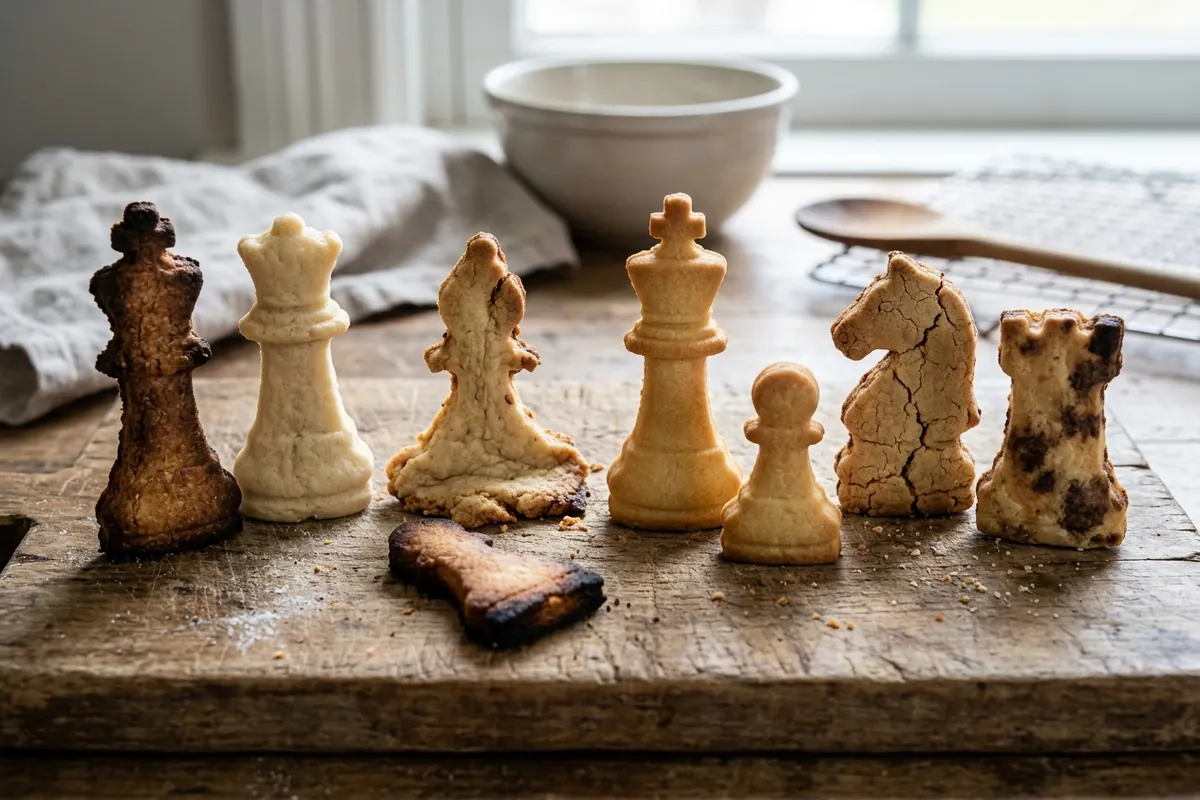
Most problems with these cookies trace to two things: dough temperature and overworking. If the imprint blurs and disappears, the dough was too warm going into the oven, so freeze longer and bake straight from frozen. If the cookies puff and lose their flat shape, you creamed too much air into the butter or used too much leavening; cream gently and keep this dough lean. If the cookies are tough rather than crisp-tender, you overmixed the flour and built gluten, or you left out the cornstarch that keeps the crumb delicate.
If the dough cracks when you roll or stamp it, it was too cold or too dry; let it warm up and add a teaspoon of milk if needed. If the cookies brown unevenly, your oven likely runs hot or has hot spots, so rotate the sheet halfway and trust an oven thermometer over the dial. And if the design looks shallow even after a hard press, your dough was rolled too thin to hold a deep imprint; aim for a true quarter inch.
Rolling Thickness, Yield, and Even Baking
Thickness is the quiet variable that decides whether your cookies look like the real thing. Roll too thin and the dough cannot hold a deep imprint, so the chess design reads faint and washes out in the oven. Roll too thick and the cookie bakes unevenly, crisp at the edges while the center stays soft and pale. A true quarter inch is the target, and the easiest way to hit it consistently is a rolling pin with adjustable thickness rings or a pair of quarter-inch dowels laid on either side of the dough to stop the pin. Even thickness also means even baking, so every cookie on the sheet finishes at the same time instead of leaving you with some scorched and some underdone.
A standard batch from this recipe yields roughly 30 to 32 cookies depending on how large your stamp is and how much dough you re-roll. Re-rolling scraps is fine, but each pass works the dough a little more and can toughen it, so handle scraps gently and chill them briefly if they have warmed and softened from your hands. Bake one sheet at a time on the middle rack for the most even color, and rotate the sheet halfway through if your oven browns unevenly. Crowding the oven with multiple sheets traps steam and gives you pale, soft cookies instead of crisp ones.
Flavor Variations on the Classic
The plain butter cookie is the foundation, but it takes flavor tweaks gracefully because the base is so restrained. The brand itself has released salted caramel, cinnamon sugar, and brown butter pecan versions, and all three are easy to approximate at home. For brown butter, melt and brown the butter first, then chill it back to a soft solid before creaming; it adds a nutty, toffee depth that suits the cookie beautifully. For cinnamon sugar, add a quarter teaspoon of cinnamon to the dough and sprinkle the egg-washed tops with cinnamon sugar before baking.
For a salted caramel note, fold a couple of tablespoons of finely crushed caramel bits into the dough and finish the baked cookies with a pinch of flaky salt. A scrape of vanilla bean or a half teaspoon of almond extract also flatters the buttery base without overpowering it. Keep additions small and dry, since this dough relies on a clean, firm texture to hold its stamped design; wet or bulky add-ins muddy the imprint and throw off the crisp crumb. Whatever flavor you choose, the technique stays identical: room-temperature stamping, a hard press, a freeze, and a light egg-yolk wash.
Storing and Serving Chessman Cookies
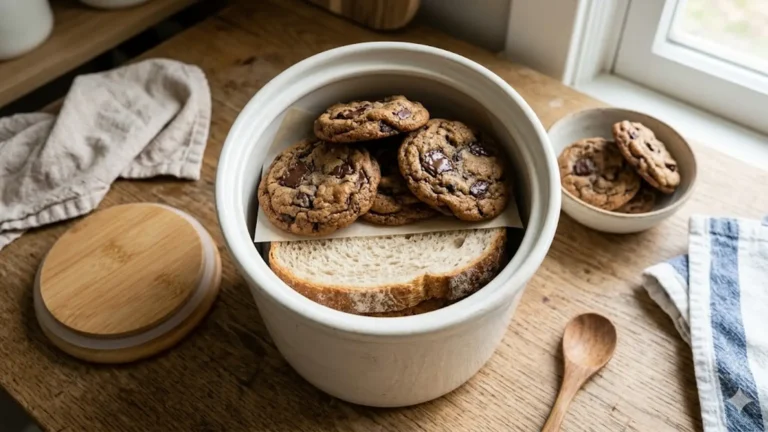
Because they are crisp, low-moisture cookies, Chessman cookies store beautifully. Keep them in an airtight container at room temperature and they hold their snap for a week or more, longer than soft cookies. Do not store them with soft cookies or a slice of bread, since the absorbed moisture would soften the crisp texture you worked to build. For longer storage, the baked cookies freeze for up to three months in a sealed container; thaw at room temperature and they re-crisp as they come back up.
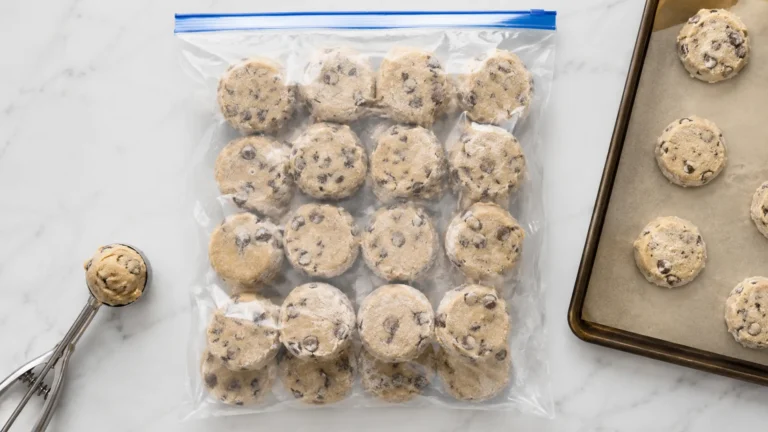
The stamped, unbaked dough also freezes well, which makes these ideal for holiday baking ahead. Stamp and cut the cookies, freeze them flat on a tray, then bag them and bake straight from frozen whenever you need a batch. Serve them plain with coffee or tea the classic way, or use them as the base for an icebox dessert; their sturdy crisp structure holds up under pudding and whipped cream far better than a soft cookie would. They also make a sturdy sandwich cookie filled with a thin layer of chocolate ganache or jam, and they are firm enough to dip halfway in melted chocolate without crumbling, which is a quick way to dress up a plain batch for a party tray or a cookie tin.
Frequently Asked Questions
What is the secret ingredient in Chessman cookies?
Cornstarch. A copycat recipe typically uses about half a cup of cornstarch with two cups of flour. Because cornstarch has no gluten-forming protein, it interrupts the flour’s structure and gives the cookie its delicate, crisp-tender, melt-in-the-mouth crumb instead of a hard, dense snap.
Do I need a special stamp to make the chess design?
A springerle mold, a carved cookie stamp, gives the cleanest chess-piece imprint, but any deeply carved cookie stamp works. Dust it with flour before each press and push down hard. Without a mold you can press a clean chess piece into the dough, though purpose-made stamps give the sharpest, most consistent result.
Why does my stamped design disappear when I bake?
The dough was too warm and spread in the oven, flattening the imprint. Freeze the stamped cookies for at least one hour and bake them straight from frozen. Firm, cold dough holds its surface long enough for the cookie to set before the butter can spread and erase the design.
How do I get the golden chess design with a pale cookie?
Brush only the raised parts of the imprint with whisked egg yolk before baking, using a foam brush or makeup sponge rather than a bristle paintbrush. The yolk browns darker and faster than the plain dough, so the chess piece turns caramel gold while the background stays light.
Should the dough be cold or room temperature when I stamp it?
Room temperature for stamping, then frozen before baking. Room-temperature dough takes a sharp imprint and does not crack, while cold dough splits at the edges of the design. After you stamp and cut, freeze the cookies solid so the design survives the oven.
How long do homemade Chessman cookies stay fresh?
Stored airtight at room temperature, these crisp cookies keep their snap for a week or more. Keep them away from soft cookies or bread, which would add moisture and soften them. Baked cookies freeze for up to three months, and the stamped raw dough freezes well for bake-ahead batches.
Chessman cookies reward patience with a crisp, buttery shortbread and a clean chess imprint that looks store-bought. Use cornstarch for the tender crumb, stamp room-temperature dough hard, freeze before baking, and paint the egg-yolk wash only on the raised design. For the science of how butter and starch affect shortbread texture, America’s Test Kitchen keeps a deep reference at America’s Test Kitchen, and the original product story lives at Pepperidge Farm.