By Hazel Bendgrove, CookieGrove. Last updated June 2026.
Butter cookies are a simple, unleavened cookie built from just butter, sugar, flour, and a little egg, where butter is the headline flavor rather than a supporting ingredient. The defining traits are a high butter ratio, a low sugar amount, and no baking soda or powder, which is why they hold crisp piped ridges and taste rich rather than sweet. Get the butter to the right softened temperature, keep the sugar modest, and chill the shaped cookies before baking, and you get the buttery, snappy cookie from the blue tin.
I have piped, rolled, and sliced more butter cookie dough than I can count, and the thing that surprised me most early on was how little it takes to get them wrong. Too-soft butter and they spread into greasy blobs. Too much flour and the dough will not pipe. The recipe is short, but the technique is precise. Below I will walk you through the ratio that makes a butter cookie a butter cookie, the exact butter temperature, how to shape them four different ways from one bowl, and a troubleshooting table for when the ridges vanish or the dough fights the piping bag.
What Makes a Butter Cookie Different
A butter cookie is defined by what it leaves out as much as what it puts in. There is no leavening, so the cookie does not rise or puff; it holds whatever shape you give it. The sugar is low, usually around 3/4 cup to a full cup of butter, so the flavor reads buttery and not sweet. And the fat is high, which gives the tender, sandy snap and the rich taste. Many recipes use only egg yolks, no whites, because the yolk adds tenderness and richness without the structure and chew that whites bring.
People mix up butter cookies, sugar cookies, and shortbread constantly, so here is the clean comparison that the recipe pages skip.
| Cookie | Rough ratio (butter: sugar: flour) | Eggs and leavening | Texture and sweetness |
|---|---|---|---|
| Butter cookie | 1 cup: 3/4 cup: 2 cups | 1 to 3 yolks, no leavening | Crisp, snappy, tender; low and buttery |
| Sugar cookie | 1 cup: 1.5 cups: 3 cups | Whole egg, baking powder or soda | Soft to crisp, sturdy for decorating; sweet |
| Shortbread | 1 cup: 1/2 cup: 2 cups | No egg, no leavening | Crumbly, sandy, melt-in-mouth; very low sweetness |
Look at the ratios and the differences jump out. The butter cookie carries more sugar and egg than shortbread, which is why it holds piped ridges instead of crumbling, but far less sugar than a sugar cookie, which is why butter, not sweetness, leads. Shortbread skips the egg entirely, so it goes sandy and tender rather than snappy. Those three numbers, the butter, the sugar, and the egg, explain almost everything about how each cookie behaves.
The short version: a butter cookie sits between a sugar cookie and shortbread. It has more egg and structure than shortbread, so it pipes and holds ridges, but far less sugar than a sugar cookie, so butter is the star. If you love the crumbly, imprinted style, these chessman cookies are a close butter-forward cousin that shows how a rich butter dough takes a crisp pattern.
The Butter Temperature That Makes or Breaks It
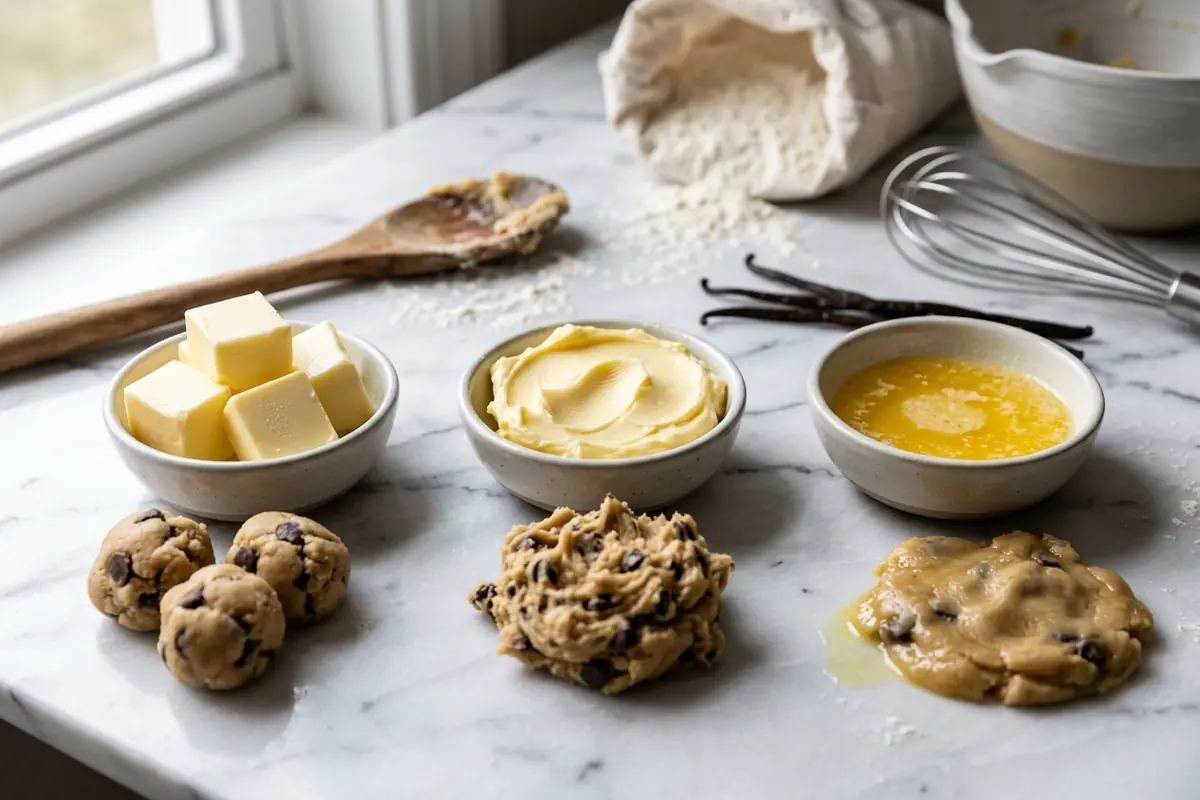
This is the single most important detail, and it is where most batches go wrong. Your butter needs to be softened but not melty. The target is around 65 to 67F, cool enough that the stick still holds its shape and dents only slightly when you press it, but soft enough to cream smoothly. Pull the butter from the fridge about 45 to 60 minutes before you start, depending on your kitchen.
Why does it matter so much? Creaming softened butter with sugar beats tiny air pockets into the fat and disperses the sugar, which sets up the cookie’s tender structure. If the butter is too warm or melted, those air pockets collapse, the dough turns greasy, and the cookies spread into flat, oily disks that lose every ridge. If the butter is too cold, it will not cream and you get lumpy dough that pipes poorly. The 65 to 67F window is the sweet spot, and a cheap instant-read thermometer takes the guesswork out. The bakers at Sally’s Baking Addiction stress this same point, and it is worth taking seriously.
European butter and the fat question
Here is a detail the standard recipes gloss over. European-style butter runs about 82 to 85 percent fat, versus roughly 80 percent for standard American butter. That extra fat and lower water content makes for a richer, more tender butter cookie with slightly less spread. For a cookie where butter is literally the headline, splurging on a higher-fat butter is one of the few times the upgrade is noticeable on the plate. I keep a block of European butter just for butter cookies and shortbread.
One Dough, Four Ways to Shape It
The classic butter cookie is piped into rosettes and wreaths, but the same dough can become several cookie styles. This is the flexibility the recipe pages rarely lay out, so here is your shaping decision.
| Shaping method | How | Best for |
|---|---|---|
| Piped | Star tip, soft dough, pipe rosettes or wreaths | The classic tin look; needs a little milk for pipeable consistency |
| Slice and bake | Roll dough into a log, chill, slice rounds | Uniform cookies with no piping bag; great make-ahead |
| Cutout | Chill dough, roll flat, cut shapes | Holiday shapes; keep the dough cold and firm |
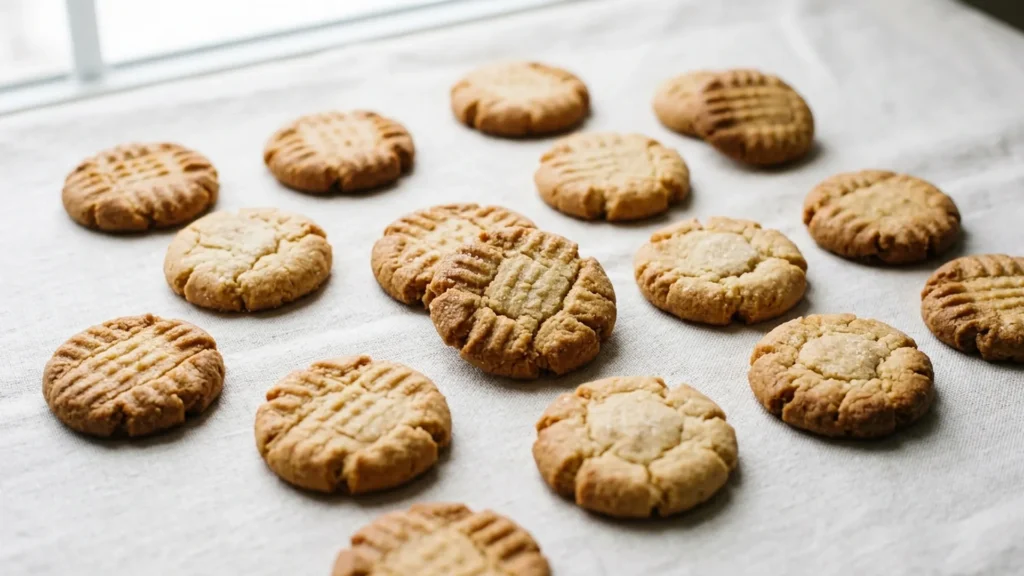
| Drop with fork | Scoop, then press a crisscross with fork tines | The easy no-equipment route |
For piping, the dough has to be soft enough to push through a star tip but firm enough to hold the ridges, so most recipes add 1 to 2 tablespoons of milk to loosen it. Use a large star tip, at least a half inch wide, like an Ateco 827 or 849; smaller tips clog and fight you. If you want a fuss-free version, the slice-and-bake route gives clean rounds with zero piping, and it stores beautifully as a chilled log.
The Ridge Lock: Why Chilling Before Baking Matters
Here is the technique I call the ridge lock, and it is the difference between crisp, defined butter cookies and sad flat ones. After you pipe or cut your cookies, chill them on the baking sheet for at least 20 to 30 minutes before they go in the oven. This firms the butter back up so the ridges and edges hold their shape instead of melting and spreading the moment they hit the heat.
Skip this step and the prettiest piped rosette will slump into a featureless lump as the butter softens faster than the cookie can set. The chill is non-negotiable for piped butter cookies. I learned this the hard way one holiday, when I rushed a tray straight into the oven and pulled out two dozen blobs that had been perfect wreaths ten minutes earlier. Now the chill is automatic. For cutouts, the same logic applies: cold dough holds sharp edges, warm dough spreads them.
Baking, Doneness, and Flavor
Bake butter cookies at 350F for 12 to 15 minutes, until the edges are lightly golden but the tops stay pale. Because there is no leavening and the sugar is low, they brown slowly and gently, so watch the edges rather than waiting for an all-over color. Pull them when the bottom edges just turn golden; they crisp as they cool. Overbake and they turn hard and lose the tender snap.
For flavor, vanilla is standard, but a small amount of almond extract is, in my opinion, the secret to that nostalgic blue-tin taste. A quarter teaspoon of almond alongside the vanilla gives the cookies that distinctive, faintly marzipan note people associate with classic Danish butter cookies. Citrus zest, a little cocoa, or a dip in melted chocolate are all easy variations. A pinch more salt than you expect also makes the butter taste rounder. For more on how extracts and zest layer flavor into simple doughs, Bon Appetit and America’s Test Kitchen both have thorough breakdowns.
Troubleshooting Butter Cookies
Read the symptom, find the cause, fix it next batch.
| Problem | Likely cause | The fix |
|---|---|---|
| Dough too stiff to pipe | Too much flour, undermixed, or small tip | Add 1 tbsp milk, mix longer, use a 1/2 inch star tip |
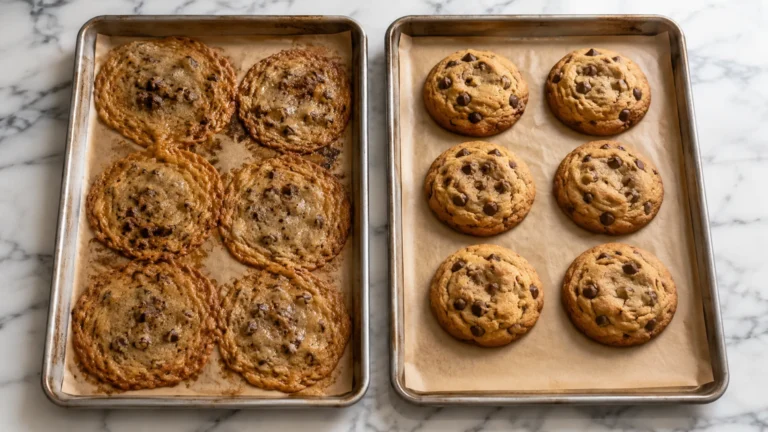
| Cookies spread flat, lost ridges | Butter too warm or skipped the chill | Chill piped cookies 20-30 min; soften butter to 65F, not melty |
| Dry, crumbly, falls apart | Over-measured flour or overbaked | Weigh flour; pull when edges just turn golden |
| Pale and underbaked center | Oven runs cold or pulled too soon | Verify oven temp; bake to light golden edges |
| Greasy, oily cookies | Butter melted during creaming | Use cooler butter; do not over-cream |
One more habit that helps: weigh your flour instead of scooping. Butter cookie dough is sensitive to flour, and an extra packed quarter cup is the most common reason a dough turns too stiff to pipe or bakes up dry. A digital scale ends that problem. The same precision matters when you reduce sugar in any recipe, as in these low sugar oatmeal cookies, where the structure depends on getting the dry ingredients exactly right.
What I Learned Piping a Hundred Trays
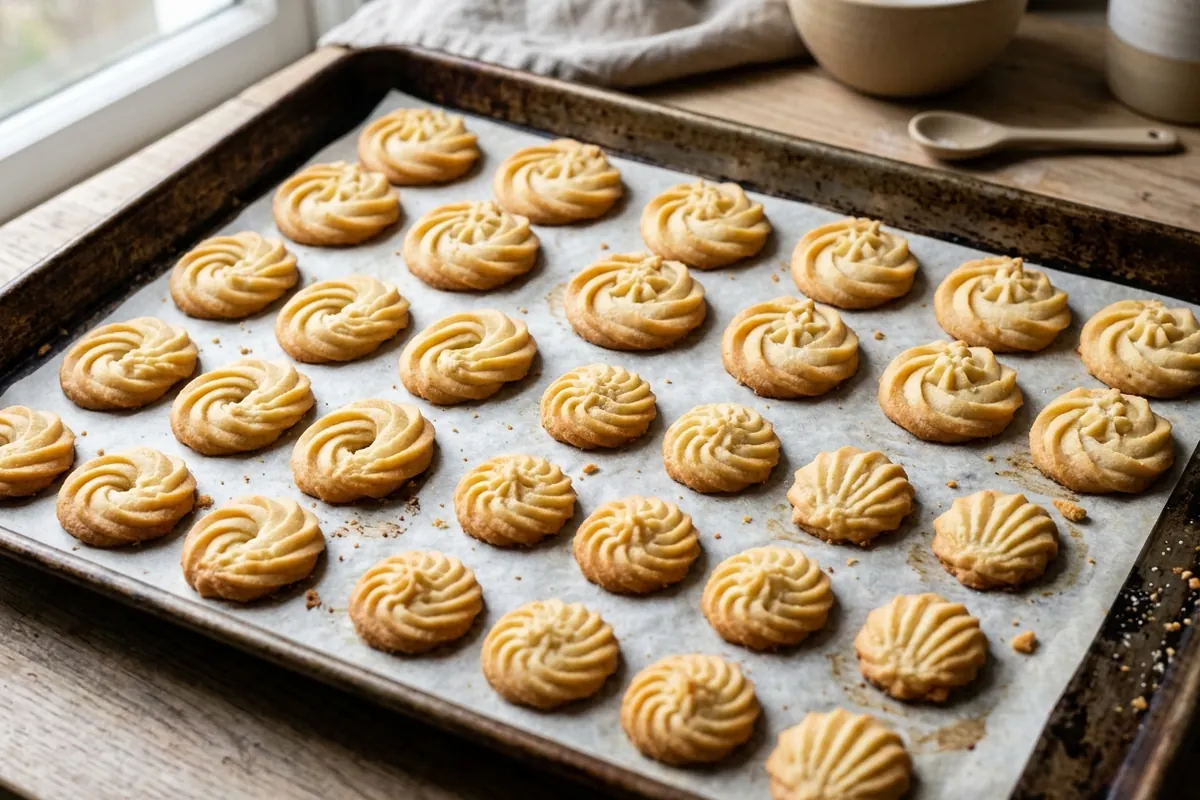
The first holiday I sold butter cookies, I underestimated how much the piping technique itself matters, separate from the dough. A perfect dough can still pipe into ugly cookies if your hand technique is off. Hold the bag at a 90-degree angle straight down for rosettes, apply steady pressure, and stop squeezing before you lift, or you get a tail. For wreaths, pipe a continuous circle and overlap the ends slightly. The dough warms in your hands as you work, so if it starts spreading more, the bag has gotten too warm; chill it for ten minutes and carry on.
I also learned to fill the piping bag only half full. An overfull bag is hard to control and the dough warms faster from the heat of your grip. Half a bag, refilled as needed, gives far more consistent cookies. And I test-pipe one cookie before committing the tray; if the ridges look soft, the dough needs a touch more flour or a quick chill, and if it fights the tip, a splash of milk loosens it. That one test cookie has saved me from more ruined trays than any other habit.
My honest opinion after all those batches: the slice-and-bake version is underrated and nearly reliable, while piped cookies are prettier but demand patience. For a gift tin where looks matter, I pipe. For a Tuesday when I just want a buttery cookie with my coffee, I slice from a frozen log. There is no shame in the easy route, and the flavor is identical.
Storage and Make-Ahead
Butter cookies are champion keepers. Their low moisture and lack of leavening mean they stay crisp for a week or more in an airtight container at room temperature, which is exactly why they fill holiday tins and ship well as gifts. Keep them away from soft, chewy cookies, which would share moisture and soften the crisp edges.
For make-ahead, the dough freezes well two ways. Freeze a slice-and-bake log wrapped tight, then slice and bake from the log straight from the freezer, adding a minute or two. Or freeze the baked cookies, undecorated, and thaw at room temperature. Piped dough can also be piped and frozen on a tray, then baked from frozen, which is a lifesaver during a busy baking season. If you bake a lot of buttery treats, the gluten-free desserts hub at RecipesBend has adaptations for those who need to skip the wheat flour.
The Creaming Step, Done Right
Creaming is the quiet make-or-break of a butter cookie, and it gets a single sentence in most recipes. Beat the softened butter and sugar together on medium speed until the mixture looks pale and a little fluffy, usually 2 to 3 minutes. You are not whipping it like a cake batter, which would beat in too much air and cause spread, but you do want the sugar evenly dispersed and the fat lightened. Stop when it turns from yellow and grainy to pale and creamy.
Then add the yolks and extracts and mix just until combined. Overmixing after the flour goes in develops the little gluten these cookies have and toughens them, so fold the flour in on low speed only until no dry streaks remain. The dough should be smooth and pipeable, not overworked. This restraint is the opposite of bread making, where you want gluten; here you want as little as possible so the cookie stays tender and sandy.
If your stand mixer leaves a ring of unmixed butter at the bottom of the bowl, stop and scrape it down. Uneven creaming means uneven cookies, some spreading more than others on the same tray. I scrape the bowl twice during creaming out of habit, and the cookies bake more evenly for it.
Variations Worth Trying
Once the base is solid, the variations are where butter cookies get fun. Roll the piped or sliced cookies’ edges in sanding sugar before baking for sparkle and crunch. Sandwich two with a thin layer of jam or chocolate ganache for a fancier cookie. Dip half of each baked cookie in melted chocolate and let it set on parchment; add a teaspoon of shortening to the chocolate so it coats thin and smooth. A dusting of flaky salt over the chocolate is a small move with a big payoff.
For flavor swaps, brown the butter first for a nutty, toffee depth, the same trick that lifts these sourdough discard chocolate chip cookies. Add citrus zest for a bright, fresh version, or a spoonful of cocoa for chocolate butter cookies. If you want a nuttier, gluten-light cookie, swapping part of the flour the way these almond meal chocolate chip cookies do adds tenderness and a subtle almond note that pairs naturally with the buttery base.
Why This Matters
Butter cookies look humble, but they reward precision. The whole identity of the cookie comes from a high butter ratio, low sugar, no leavening, and the discipline to keep the butter at the right temperature and chill the shaped cookies before baking. Master that and you can pipe, slice, cut, or drop the same dough into a dozen looks, flavor it a dozen ways, and store it for weeks. The blue-tin cookie is not magic; it is technique, and now it is yours.
Hazel’s insight: if you remember only three numbers, make them 65F for the butter, 20 to 30 minutes of chill before baking, and 350F for 12 to 15 minutes in the oven. Those three settings, plus a quarter teaspoon of almond extract, get you the classic tin cookie more reliably than any single recipe. Everything else is a variation you layer on once those basics are locked.
FAQ
What is the difference between butter cookies and sugar cookies?
Butter cookies have a high butter ratio, low sugar, and no leavening, so they taste buttery rather than sweet and hold piped ridges. Sugar cookies have more sugar and usually some leavening, making them sweeter and sturdier for rolling, cutting, and decorating.
Why did my butter cookies spread and lose their shape?
The butter was too warm or you skipped chilling the shaped cookies. Soften butter only to about 65F, not melty, and chill the piped or cut cookies on the sheet for 20 to 30 minutes before baking so the butter firms up and the ridges hold.
What temperature do I bake butter cookies at?
Bake at 350F for 12 to 15 minutes, until the edges are lightly golden but the tops stay pale. Because they have no leavening and little sugar, they brown slowly, so watch the edges rather than the top.
Do butter cookies need leavening?
No. Butter cookies contain no baking soda or powder. Their tender, crisp texture comes from creaming the butter and sugar and from the high fat ratio, not from chemical rise. That is why they hold their shape so well.
Why won’t my butter cookie dough pipe?
Usually too much flour, undermixing, or too small a piping tip. Add a tablespoon of milk to loosen the dough, mix it thoroughly, and use a large star tip at least a half inch wide, like an Ateco 827.
What flavor makes butter cookies taste like the ones in the tin?
A small amount of almond extract, about a quarter teaspoon alongside the vanilla, gives that classic Danish butter cookie flavor. A slightly higher-fat European butter also makes them taste richer and more like the imported tins.
How long do butter cookies last?
Stored airtight at room temperature, butter cookies stay crisp for a week or more, since they are low in moisture. Keep them separate from soft cookies so they do not absorb moisture and soften. The dough also freezes well as a slice-and-bake log.