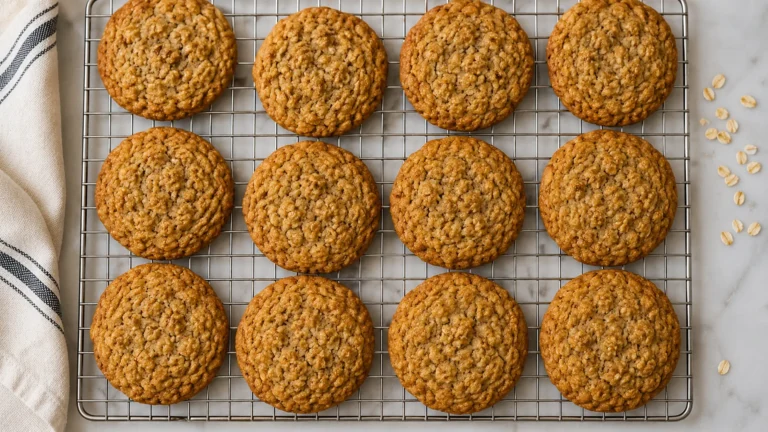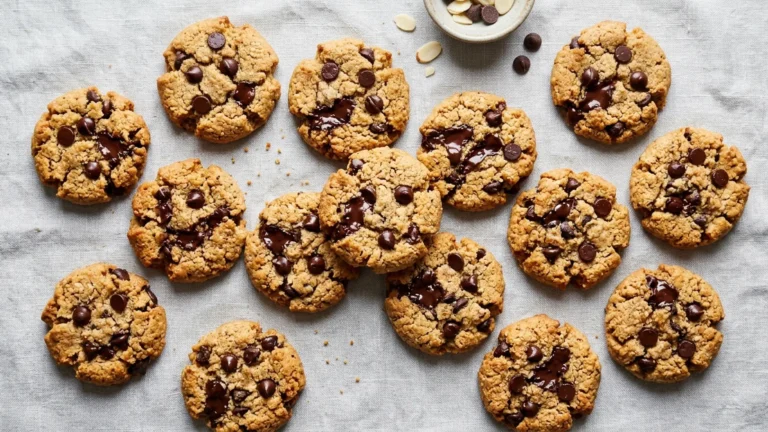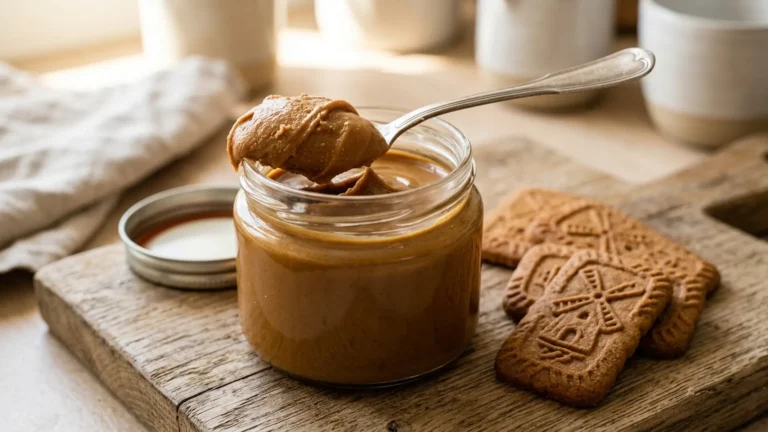
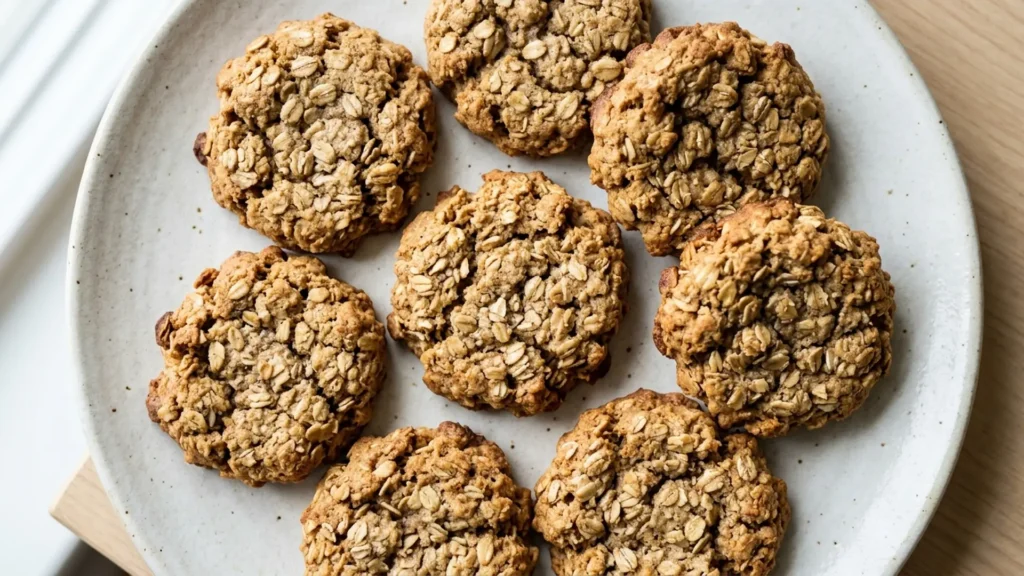
Low sugar oatmeal cookies sound simple until you actually try to make them, because sugar does far more in a cookie than make it sweet, and pulling it out changes everything. Sugar provides chew, spread, browning, moisture retention, and tenderness, so when you cut it in half or swap it for a substitute, the cookie can turn dry, pale, hard, or crumbly if you do not compensate. Oatmeal cookies happen to be the best candidate for sugar reduction, because the oats, the warm spices, and add-ins like raisins carry flavor and texture that mask the missing sugar better than a plain cookie ever could. This guide compares reduced-sugar and sugar-free versions side by side and explains what sugar is really doing, how far you can cut it before the cookie suffers, how the common substitutes behave, and how to keep the cookie soft and chewy when the sugar is gone. You can absolutely bake a satisfying oatmeal cookie with a fraction of the usual sugar; you just have to bake around the gap.
What Sugar Actually Does in an Oatmeal Cookie
Before you cut sugar, understand its jobs, because every one of them is a texture you might lose. Sugar is hygroscopic, meaning it grabs and holds water, which is what keeps a cookie moist and chewy days later. It melts and spreads in the oven, giving the cookie its flat shape and crisp edges; less sugar means a thicker, puffier, less-spread cookie. Sugar also browns through caramelization and the Maillard reaction, so a low-sugar cookie comes out paler and tastes less toasty. And sugar tenderizes by interfering with gluten, so cutting it can leave the cookie tougher.
That is a lot of function packed into one ingredient, and it explains why a naive sugar cut produces a dry, pale, cakey puck. The trick to a good low sugar oatmeal cookie is replacing those functions individually: add moisture another way, encourage spread, accept a paler color or coax browning back, and keep the crumb tender with fat. Once you see sugar as five jobs rather than one, the path to cutting it without wrecking the cookie becomes clear.
How Far You Can Cut Sugar Before It Breaks
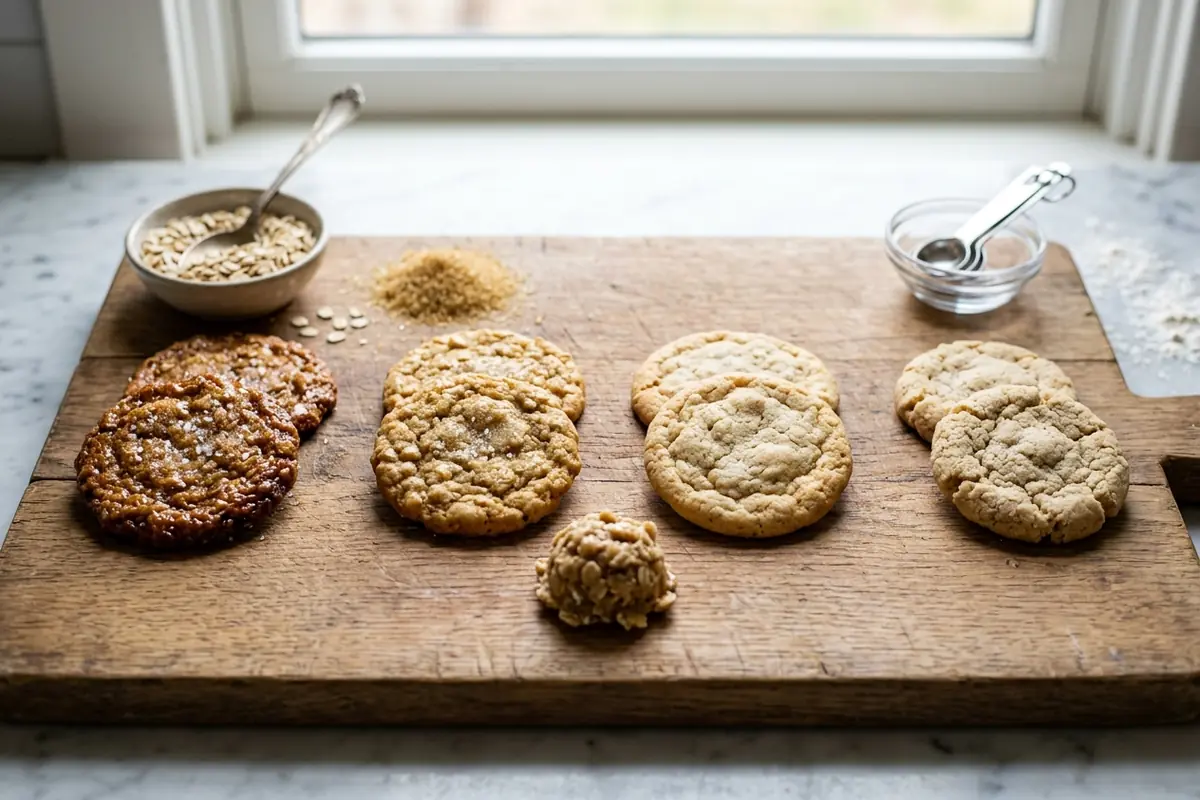
You do not have to go sugar-free to make a meaningfully lighter cookie. Cutting the sugar by about a third is nearly invisible: the oats and spices fill the gap and the texture barely changes. Cutting it in half, down to roughly a half cup of brown sugar for a dozen cookies, is the sweet spot many low-sugar recipes land on. The cookie is clearly less sweet but still chewy, still browns, and still tastes like a treat rather than a health food compromise.
Push past half and you start fighting the texture losses described above, and that is where you need substitutes or fruit to fill in. Going fully sugar-free is possible but it is a different project, requiring sweetener swaps and moisture adjustments rather than a simple reduction. My advice for most home bakers is to start by cutting a third to a half, taste the result, and only reach for substitutes if you need to go lower for dietary reasons. The least disruptive path to a lower-sugar cookie is simply using less real sugar, not replacing it.
Choosing Brown Sugar Over White
When you are working with less sugar, the kind you keep matters more. Brown sugar carries molasses, which is more hygroscopic than white sugar, so it holds onto moisture better and keeps a reduced-sugar cookie chewy rather than dry. The molasses also adds flavor depth and a faint caramel note that makes a less-sweet cookie taste richer than its sugar content suggests. For oatmeal cookies specifically, brown sugar is almost always the better choice when you are cutting back.
Coconut sugar is a popular swap for a lower-glycemic option, and it works, but it produces a slightly drier, less chewy cookie than brown sugar because it lacks the same moisture-grabbing molasses. If you use it, lean on extra fat or a wetter binder to compensate. The principle holds across the board: with less total sugar, choose the sugar that does the most work per spoonful, which for chew and moisture is brown sugar. For a look at how a different fat source rescues a low-structure dough, the whipped cream cookie shows the same balancing act from another angle.
Using Fruit and Nut Butter to Replace Sweetness and Moisture
The smartest low-sugar oatmeal cookies do not just remove sugar, they replace its functions with whole ingredients. Raisins are the classic move: rehydrate them in hot water for a few minutes and they burst with concentrated natural sweetness and add moisture, doing double duty as both sweetener and texture builder. Chopped dates, mashed ripe banana, or unsweetened applesauce work the same way, adding sweetness plus the water-holding capacity that keeps the cookie soft.
Nut butter is the other secret weapon. A generous scoop of almond butter or peanut butter adds fat and body that keeps a reduced-sugar cookie gooey and soft, even substituting for some of the flour in flourless versions. The fat tenderizes the crumb the way sugar would have, and the protein adds a satisfying chew. Combining a modest amount of brown sugar with rehydrated raisins and almond butter gives you a cookie that reads as sweet and indulgent while carrying far less added sugar than a standard recipe. These whole-food additions are why oatmeal is the easiest cookie to lighten. For more swaps that punch above their weight, the team keeps a running file of cookie tips and lore.
How Sugar Substitutes Behave Differently
If you need to go sugar-free for diabetic or low-carb reasons, the common substitutes each behave differently in the oven, and none is a perfect one-to-one for real sugar. Monk fruit sweetener is intensely sweet, 150 to 200 times sweeter than sugar, so it is usually sold blended with a bulking agent like erythritol or allulose to measure cup for cup. Check your specific brand’s ratio, because they vary widely and using straight monk fruit by volume would make the cookie inedibly sweet or, more often, leave it lacking the bulk that sugar provided.
Erythritol is the most common bulking sweetener; it provides volume but does not brown or hold moisture the way sugar does, so erythritol cookies come out paler and can taste dry or have a slight cooling sensation. Allulose is the standout for baking because it actually browns and stays soft, behaving more like real sugar than any other substitute, though it is less sweet so blends often pair it with monk fruit. Stevia is best avoided in cookies; it adds sweetness but no bulk and often carries a bitter aftertaste. Whatever you choose, expect less spread and less browning, and lower the oven temperature slightly, around 330 to 350 degrees Fahrenheit, to avoid drying the cookie out before it sets.
A Reliable Reduced-Sugar Recipe Framework
Cream 1/2 cup softened butter with 1/2 cup packed brown sugar until smooth. Beat in 1 egg and 1 teaspoon vanilla. In a separate bowl whisk together about 3/4 cup flour, 1/2 teaspoon baking soda, 1 teaspoon cinnamon, and 1/4 teaspoon salt, then stir into the wet mix. Fold in 1 1/2 cups old-fashioned rolled oats and 3/4 cup raisins that you rehydrated in hot water and drained. The rehydrated raisins are doing real sweetening work, so do not skip them.
Chill the dough 10 to 30 minutes so it does not spread too thin given the lower sugar, then scoop and slightly flatten the balls, since low-sugar dough spreads less on its own. Bake at 350 to 375 degrees Fahrenheit for 8 to 11 minutes until the edges are set and golden. Flattening the dough before baking matters here: without enough sugar to spread the cookie, a domed scoop stays domed and bakes unevenly. Pull them while the centers still look soft and let them finish setting on the pan for a chewy result.
Keeping the Cookie Soft and Chewy
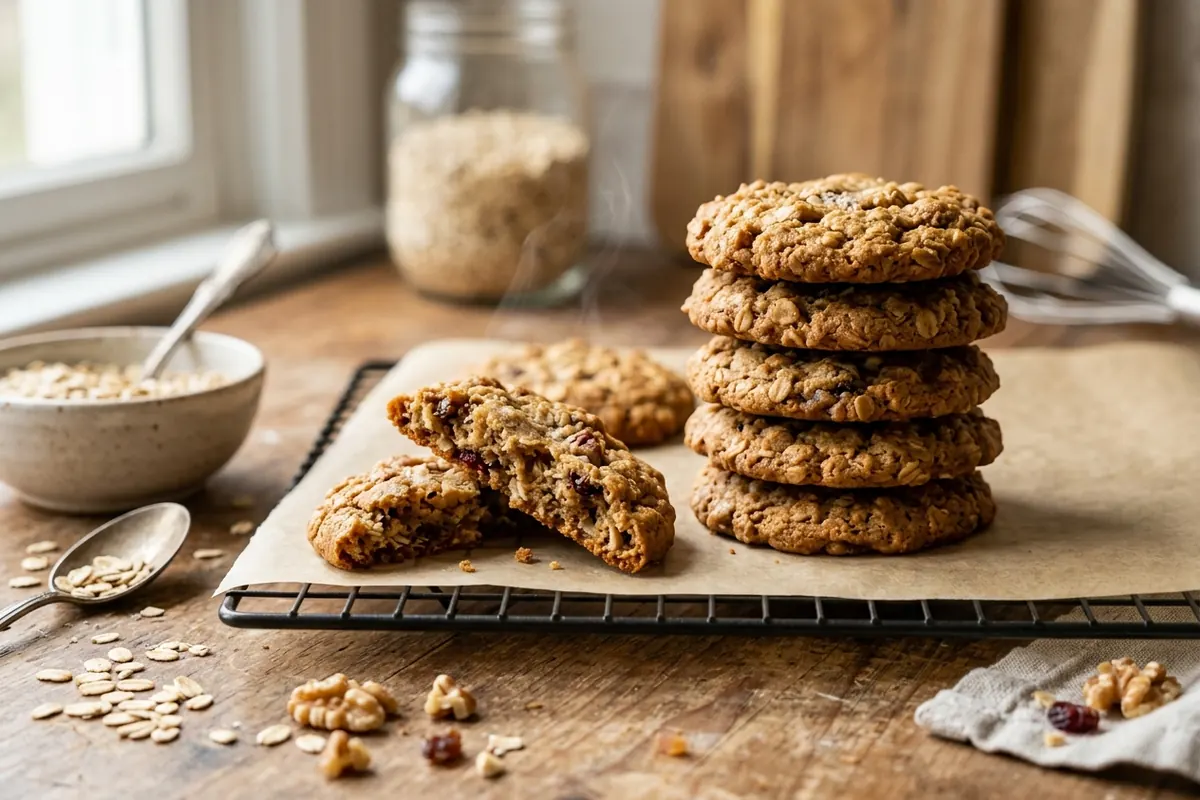
The single biggest complaint with low sugar oatmeal cookies is dryness, and almost all of it comes from overbaking. With less sugar to hold moisture, these cookies have a narrower window between done and dry, so pull them a minute early when the centers still look underbaked. They firm up as they cool. Use old-fashioned rolled oats rather than quick oats, since the larger flakes hold more moisture and give a chewier bite, and lean toward the higher end of your fat and wet binder amounts.
Storage helps too. Keep low-sugar cookies in an airtight container with a slice of bread, which donates moisture and keeps them soft, because without much sugar they stale faster than a standard cookie. If a batch comes out crumbly, the dough likely needed more binding or more fat; add an extra tablespoon of nut butter or a splash of milk next time. If it came out dry and hard, you overbaked it or cut the sugar too aggressively without replacing the moisture. Treat moisture as the resource you are managing and the cookie stays soft.
Why Oatmeal Is the Best Cookie to Lighten
Not all cookies tolerate sugar reduction equally, and oatmeal is at the top of the list for a few concrete reasons. The oats themselves bring bulk, fiber, and a hearty, nutty flavor that fills the space sugar would have occupied, so the cookie still feels substantial and tastes of something even when it is barely sweet. A plain sugar cookie, by contrast, has almost nothing to fall back on; strip its sugar and you are left with a bland, hard disk. Oatmeal also pairs naturally with warm spices and dried fruit, both of which deliver flavor and perceived sweetness without added sugar.
There is a practical health angle too. Oats are a whole grain with soluble fiber that slows how quickly the body absorbs sugar, so an oatmeal cookie with reduced sugar is gentler on blood sugar than a refined-flour cookie with the same sweetener. Adding nuts and seeds pushes the cookie further toward a genuine snack rather than pure dessert. None of this means a low-sugar oatmeal cookie is health food, but it does mean the cookie carries real flavor and texture on its own merits, which is exactly why cutting the sugar does not gut it the way it would a more delicate cookie.
Picking the Right Oats and Add-Ins
The oats you choose change the cookie noticeably. Old-fashioned rolled oats are the standard for a reason: their large, sturdy flakes hold moisture and give the chewy, toothsome texture people associate with a good oatmeal cookie. Quick oats are cut smaller and absorb liquid faster, producing a softer, more uniform, slightly cakier cookie that can taste dry in a low-sugar batch. Steel-cut oats are too hard and should not be used raw. If you want extra chew, use rolled oats and even toast them lightly in a dry skillet first to deepen the nutty flavor that helps mask the missing sugar.
Add-ins are your flavor budget, so spend it well in a low-sugar cookie. Beyond raisins, consider chopped dried apricots, unsweetened dried cherries, or chopped dates for natural sweetness. Toasted walnuts or pecans add fat, crunch, and richness that compensate for reduced sugar. A small handful of dark chocolate at 70 percent or higher contributes intense flavor for very little sugar, since high-cacao chocolate is far less sweet than chips. Shredded unsweetened coconut and a scrape of orange zest both brighten the cookie. Keep total add-ins to about a cup so the dough still binds, and chop large pieces small so the lower-sugar, lower-spread dough can hold them.
Troubleshooting Low Sugar Oatmeal Cookies
A few failures show up again and again. Pale, anemic-looking cookies are normal with less sugar or with non-browning substitutes; encourage color with a touch of brown sugar, a longer bake at a low temperature, or a quick broil at the very end if you want toasty edges. Cookies that stay in a dome and never spread mean too little sugar to flatten them, so press the dough down before baking and do not chill it rock-hard. Crumbly cookies that fall apart need more fat or binder, since sugar was helping hold them together.
A dry, tough crumb points to overbaking or too little fat. A bitter or oddly cooling aftertaste comes from the sweetener, usually erythritol or stevia, so switch to an allulose or monk fruit blend. And cookies that taste flat or bland, not just less sweet, usually need more salt and spice to compensate; a low-sugar cookie leans on cinnamon, vanilla, and a good pinch of salt to taste like a treat. Almost every problem traces back to one of sugar’s lost jobs, so match the fix to the function you removed.
Frequently Asked Questions
How much can I reduce the sugar in oatmeal cookies?
Cutting the sugar by about a third is nearly undetectable in oatmeal cookies thanks to the oats and spices. Cutting it in half, to roughly a half cup of brown sugar per dozen, still gives a chewy cookie that browns and tastes like a treat. Beyond half you should add fruit or substitutes to replace sugar’s moisture and structure.
Why are my low sugar cookies dry and hard?
Sugar holds moisture, so cutting it leaves a narrower window before the cookie dries out, and overbaking is the usual cause. Pull them a minute early while the centers look soft, use brown sugar and old-fashioned oats for moisture, and add fat or a wet binder like nut butter or applesauce to replace what the sugar was doing.
What is the best sugar substitute for oatmeal cookies?
Allulose is the best for baking because it browns and stays soft like real sugar, though it is less sweet so it is often blended with monk fruit. Monk fruit blends with erythritol measure cup for cup but brown less and can taste slightly dry. Avoid plain stevia, which adds no bulk and can taste bitter.
Why do my low sugar cookies stay in a dome and not spread?
Sugar is what melts and spreads a cookie in the oven, so with less of it the dough holds its shape. Press or flatten the dough balls before baking, and do not chill the dough until rock hard. A slightly higher proportion of fat also helps the cookie relax and spread.
Can I use fruit instead of sugar?
Yes, and it works well in oatmeal cookies. Rehydrated raisins, chopped dates, mashed banana, or unsweetened applesauce add natural sweetness plus moisture that keeps the cookie soft. They replace two of sugar’s jobs at once, which is why oatmeal cookies lighten more gracefully than plain ones.
Will low sugar cookies brown like normal cookies?
Less, because browning comes largely from sugar. Reduced-sugar cookies with brown sugar still color reasonably, but sugar-free versions with erythritol or monk fruit stay pale. Allulose browns the best among substitutes. You can coax more color with a longer bake at a lower temperature or a brief broil at the end.
Low sugar oatmeal cookies work when you stop thinking of sugar as only sweetness and start replacing its real jobs: moisture, spread, browning, and tenderness. Cut a third to a half of the sugar, lean on brown sugar, rehydrated raisins, and nut butter, choose allulose or monk fruit if you go sugar-free, and pull the cookies early to keep them soft. For the science of how sugar functions in baking, America’s Test Kitchen keeps a thorough reference at America’s Test Kitchen, and Bon Appetit covers chewy oatmeal cookie technique at Bon Appetit.