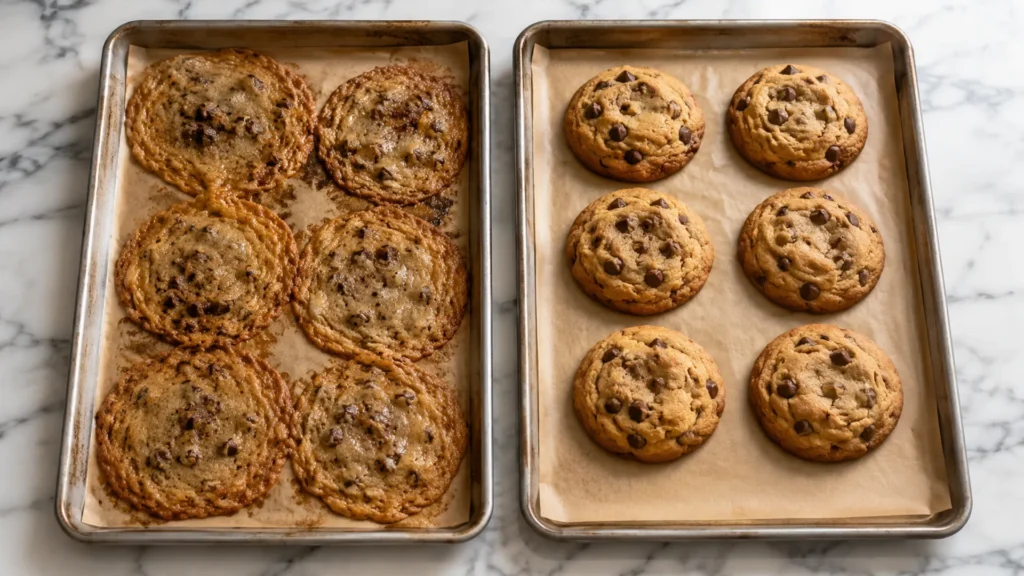
If you keep asking why are my cookies flat, the honest answer is that a flat cookie is almost never bad luck. It is a chain of small decisions, most of them made before the tray ever touches the oven. In cookies baked in a home kitchen, unwanted spread is usually traceable to one of five culprits: warm butter, weak leavening, too little flour, a hot or cold tray, or sugar that melts faster than the structure can set. Once you learn to read a flat cookie like a clue, you stop guessing and start fixing.
Spread is the technical word for what happens when a ball of dough relaxes outward instead of holding its shape and rising. A little spread is good. It gives you crisp edges and that thin, lacy ring. Too much spread, and the cookie loses its center, runs into its neighbors, and bakes into a brittle disc. The goal is not zero spread. The goal is controlled spread, and control comes from understanding what each ingredient is doing while the dough heats.
The Butter Temperature Trap
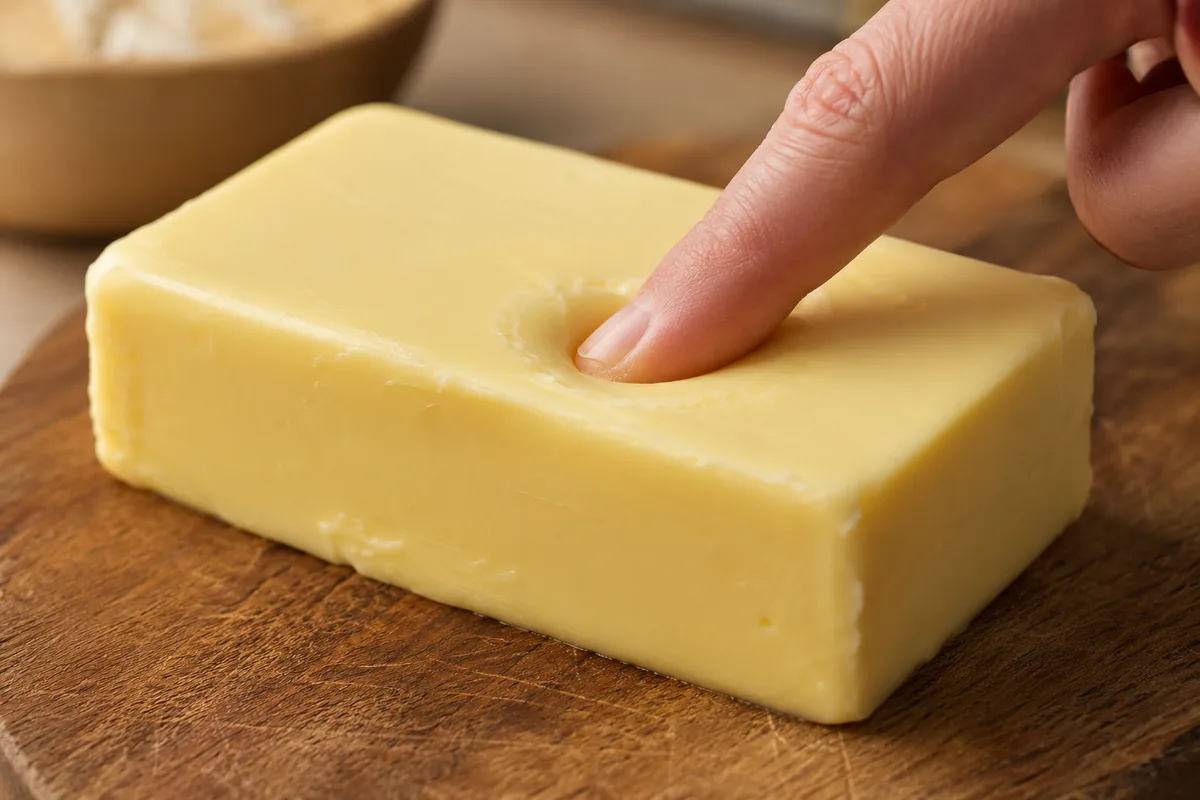
Butter is the single biggest reason home cookies go flat. When a recipe says softened butter, it does not mean melted, greasy, or shiny. It means cool to the touch, around 65 degrees Fahrenheit, with enough give that your finger leaves a dent but does not sink straight through. At that temperature, butter holds air during creaming and stays solid long enough in the oven for the dough to set around it. Push the butter warmer and you lose both jobs at once.
Melted butter is the worst offender. The fat coats the flour immediately, the air you would have whipped in is gone, and the dough hits the heat already half-liquid. It spreads before the egg proteins and starch can build a wall. If you ever microwave butter to speed things along and it goes even slightly to oil at the edges, you have already lost the batch unless you chill the dough hard. A lot of people who melt butter on purpose for a chewy texture compensate by adding more flour and resting the dough, which the guide on how to make chewy cookies covers in detail.
The fix is boring but reliable. Pull the butter from the fridge 30 to 45 minutes before you bake, depending on your kitchen. In a warm summer kitchen, 20 minutes may be plenty. Press it. If it smears, it is too soft. If your kitchen runs hot, you can cut the cold butter into cubes and let it sit for 15 minutes, which softens it evenly without going to grease. Never soften butter on top of the running oven. That is how you get a soft outside and a still-cold core that creams unevenly.
Leavening That Is Doing Nothing
Baking soda and baking powder are not interchangeable, and old leavening is dead weight. Baking soda needs an acid in the dough, like brown sugar or molasses, to react and produce the gas that lifts the cookie. Baking powder carries its own acid and works on its own. If a recipe was written for baking powder and you swap in plain soda, or if your soda has been sitting open in the cupboard for two years, the cookie has nothing pushing it up while gravity pulls it out. Flat is the result.
Leavening also controls how fast the cookie sets. Gas bubbles create structure as the dough heats, and that structure competes against spread. A cookie with healthy leavening rises and locks its shape early. A cookie with dead leavening just melts outward. The chemistry here is worth knowing if you want to stop guessing, and the basics of how these gases form are well documented in the overview of baking powder and chemical leavening.
| Symptom | Likely cause | Fix |
|---|---|---|
| Cookies flat and pale | Dead or missing leavening | Test soda in vinegar; it should fizz hard. Replace if flat. |
| Cookies flat and greasy | Butter too warm or melted | Soften to 65F only; chill dough 30 minutes before baking. |
| Cookies spread into each other | Too little flour or trays too close | Reweigh flour; space dough balls 2 inches apart. |
| Cookies thin with crisp lacy edges | Too much sugar relative to flour | Cut sugar slightly or add 2 tablespoons flour. |
Test your soda before a big bake. Drop a quarter teaspoon into a splash of vinegar. If it does not erupt into foam right away, throw it out. Baking powder gets the same treatment with hot water. This 20 second test saves more batches than any fancy technique. Keep in mind that both leaveners lose strength once opened, even sealed in the cupboard, so a box you bought last year is probably weaker than the recipe assumes. Write the open date on the box with a marker and replace baking soda every six months whether it has failed a test or not. Cheap insurance against a flat batch.
Measuring Flour by Scooping
The scoop-and-pack habit is quietly ruining cookies all over the country. When you dip a measuring cup into the flour bag and press it full, you can pack in 30 to 40 percent more flour than the recipe wants, or far less if you fluff it. The problem is that the error swings both ways and you never know which way it went. Too little flour means not enough structure to hold the cookie up, and it goes flat. Too much flour gives you a cakey puck instead, which feels like the opposite problem but comes from the same broken habit.
A kitchen scale solves this permanently. One cup of all-purpose flour weighs about 120 grams. If your recipe lists grams, use them. If it only lists cups, spoon the flour into the cup lightly and level it off with a straight edge, never tapping or pressing. The difference between a scooped cup and a spooned cup is enough to flip a recipe from perfect to flat. Once you weigh flour for a month, you will never trust a measuring cup again.
The Tray Is Half the Recipe
Your baking sheet does more than hold dough. Its temperature, color, and what you put on it all change how the cookie spreads. The most common mistake is putting dough on a sheet that just came out of the oven. That warm metal melts the butter on contact, and the cookie starts spreading before it ever sees the heat properly. Always bake on a fully cooled sheet. If you bake in batches, keep a second sheet handy and let the first cool under cold running water on its back, then dry it.
Dark nonstick pans absorb more heat and brown the bottoms faster, which can set the edges quickly but also drive harder spread in the center. Light aluminum sheets give you a gentler, more even bake. Greasing the sheet is another quiet saboteur. Added grease lets the cookie slide outward, so unless your recipe specifically calls for it, use parchment paper or a silicone mat instead. Parchment gives the dough just enough grip to hold its footprint while it sets.
Oven temperature matters as much as the tray. An oven that runs cold gives the butter extra minutes to liquefy and spread before the structure firms. Most home ovens are off by 25 degrees or more, and the dial lies. A 15 dollar oven thermometer tells you the truth. If your cookies always go flat at the supposedly correct temperature, your oven is probably running cool, and bumping it up 15 to 25 degrees can rescue the whole recipe.
Sugar, Spread, and the Race to Set
Sugar is a liquid in disguise once it heats. White granulated sugar melts and encourages spread and crisp edges. Brown sugar holds moisture and acidity, which feeds the leavening and slows spread a little. A recipe heavy on white sugar will spread more and bake thinner. That is not always bad, but if your cookies are flatter than you want, shifting some white sugar to brown nudges them thicker and softer. If you want them crisper and flatter on purpose, do the reverse.
The whole drama of a baking cookie is a race. On one side, butter and sugar melt and pull the dough outward. On the other, egg proteins, gluten, and starch set and lock the shape. Anything that speeds the melting or slows the setting gives you a flatter cookie. Warm butter, weak leavening, thin dough, and a hot tray all tip the race toward spread. Cold dough, fresh leavening, enough flour, and a cool tray tip it toward structure. Once you see it as a race, every fix makes sense.
Salt plays a quiet role here too. It does not cause spread directly, but it slows down some of the chemical reactions and tightens the structure slightly, which is one more small vote for height over flatness. If you bake with unsalted butter and forget to add salt, the cookie can taste flat and bake flat at the same time. None of these levers works in isolation. A flat cookie is almost always two or three small problems stacking up, which is why fixing only one thing sometimes barely helps. You have to clear them in order.
Eggs and any other liquid in the dough change the spread story too. An extra egg, a splash of milk, or a heavy hand with vanilla all add water, and water thins the dough so it flows farther before it sets. If you doubled a recipe and eyeballed the eggs, or used extra-large eggs where the recipe assumed large, you quietly added liquid and your cookies spread more. Egg size is not a rounding error. A jumbo egg can carry a third more liquid than a medium one, and across a batch that adds up to a noticeably thinner cookie.
The yolk-to-white balance matters as well. Whites are mostly water and bake crisp and thin, while yolks bring fat and emulsifiers that keep things tender. A cookie made with whole eggs spreads differently than one made with extra yolks. If your recipe runs flat and you cannot find another cause, try pulling one white and replacing it with a yolk. You lose a little of the drying, spreading liquid and gain a touch of richness and structure. It is a small lever, but on a recipe that is close to right it can be the difference.
Watch out for ingredients that melt into liquid in the oven, like a high proportion of chocolate chunks or chopped chocolate. Pools of melted chocolate behave like extra fat and can drag the surrounding dough outward as they spread. Standard chips hold their shape better because they are formulated with stabilizers. If you switched from chips to a chopped bar and suddenly your cookies look thin and greasy at the edges, the chocolate is part of the story, not just the butter.
Chilling Dough: The Most Underused Fix
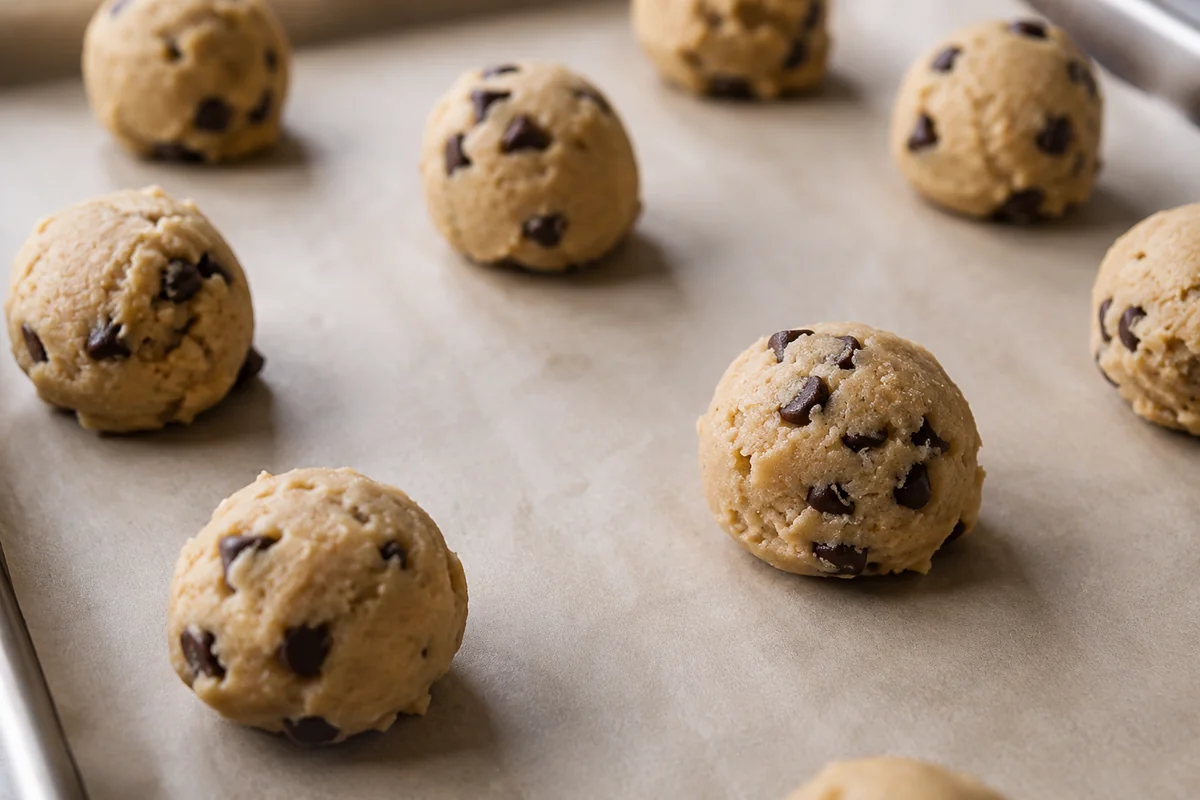
If you take one habit from this guide, make it chilling. Resting the dough in the fridge for 30 minutes to overnight does three things. It firms the butter so it melts slower in the oven. It lets the flour fully hydrate, which strengthens the structure. And it deepens flavor as the sugars and proteins mingle. Cold dough hits the oven and the outside sets before the inside can run, so you get height instead of spread.
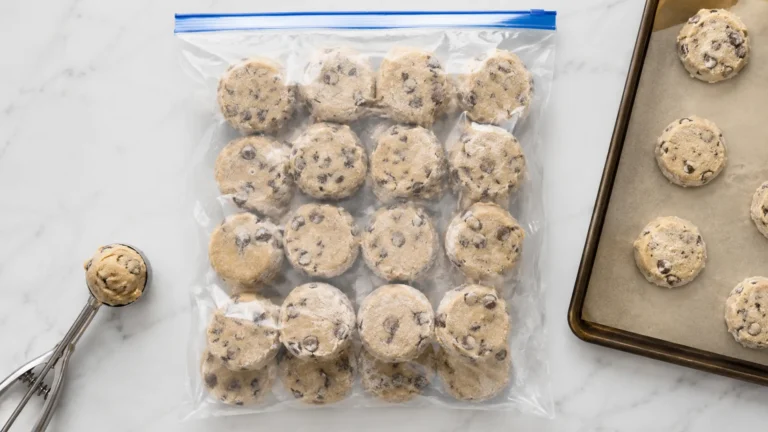
For drop cookies that keep going flat no matter what, scoop the dough into balls first, then chill the balls on a tray. Cold, firm balls bake taller than soft warm dough scooped straight from the bowl. If you are baking from frozen dough balls, add a minute or two to the bake time. The same logic that keeps a chilled cookie thick also helps it stay tender for days, which connects directly to these notes on how to keep cookies soft well after they leave the oven.
When the Fat Itself Is the Problem
Sometimes the fat is the variable, not the temperature. Different fats spread differently. Butter melts around 90 to 95 degrees Fahrenheit and spreads freely. Shortening melts higher, near 115 degrees, so cookies made with shortening hold their shape and stay taller but trade away some flavor. Margarine and many plant-based spreads carry more water and a lower melting point, which often means more spread and flatter results. If you have switched butters or swapped in a spread and suddenly your cookies are flat, the fat is your suspect.
This matters a lot if you bake with substitutes for dietary or budget reasons. Coconut oil behaves nothing like butter, and a one-to-one swap usually flattens cookies unless you adjust. The trade-offs of each option are laid out in the comparison of the best butter substitute for cookies, because the right swap depends entirely on whether you want chew, crisp, or height. For deeper background on how creaming traps air in solid fat to begin with, the explanation of the creaming method is worth a read.
If you bake within a specialty diet, the fat and flour rules shift again. Grain-free and sugar-free formulas behave differently in the oven, and bakers working in those lanes often share fixes that translate well, like the dessert techniques collected in these low-carb keto baking guides and the structure tricks in this set of gluten-free dessert recipes. The leavening and chilling logic carries across all of them.
A Quick Diagnostic Order
When a batch goes flat, do not change five things at once. Work through them in order so you learn what actually fixed it. First, check the butter temperature on your next batch. Second, test your leavening. Third, weigh the flour instead of scooping. Fourth, confirm the tray is cool and lined with parchment. Fifth, chill the dough. Change one variable per bake and you will pin down your specific problem within two or three tries instead of flailing. Professional kitchens troubleshoot this way for a reason, and you can find plenty of methodical cookie breakdowns on the King Arthur Baking blog.
Frequently Asked Questions
Why are my cookies flat even when I follow the recipe exactly?
Following a recipe by volume still leaves room for error, because butter temperature, oven calibration, and scooped flour all vary in your kitchen and not in the recipe writer’s. The most common hidden cause is butter that was softer than 65 degrees, followed by an oven running 20 degrees cool. Weigh your flour, soften butter only to a firm dent, and check your oven with a thermometer before blaming the recipe.
Does chilling cookie dough really stop cookies from going flat?
Yes, and it is the single most reliable fix. Chilling firms the butter so it melts more slowly in the oven, which gives the cookie time to set its structure before it can spread. Thirty minutes helps and overnight helps more. Scoop the dough into balls before chilling so the cold goes all the way through.
Should I use baking soda or baking powder to keep cookies from spreading?
Use whichever the recipe specifies, because they are not interchangeable. Baking soda needs an acid like brown sugar to react, while baking powder works on its own. Swapping them changes both lift and spread. More important than the choice is freshness: dead leavening produces no gas, so the cookie melts outward instead of rising.
Can too much sugar make cookies flat?
Yes. Sugar liquefies as it heats and promotes spread, so a recipe heavy on white granulated sugar bakes thinner and crisper. If your cookies are flatter than you want, shift some white sugar to brown sugar, which holds moisture and slows spread, or add two tablespoons of flour to rebalance the structure.