The best butter substitute for cookies depends entirely on one question: what are you trying to fix? If you ran out of butter and need the closest stand-in, the answer is one thing. If you are baking dairy-free, it is another. If you want to cut fat or add a flavor twist, it is something else again. There is no single best swap, only the best swap for your goal, and once you understand what butter is actually doing in the dough, picking the right one becomes obvious.
These substitutes behave differently, and the cookies they produce are genuinely different from one another. Some spread, some puff, some crisp, some stay cakey. This guide breaks down every common option, tells you the exact ratio, and explains what each one does to the final cookie so you can choose on purpose instead of hoping for the best.
First, Understand What Butter Does in a Cookie
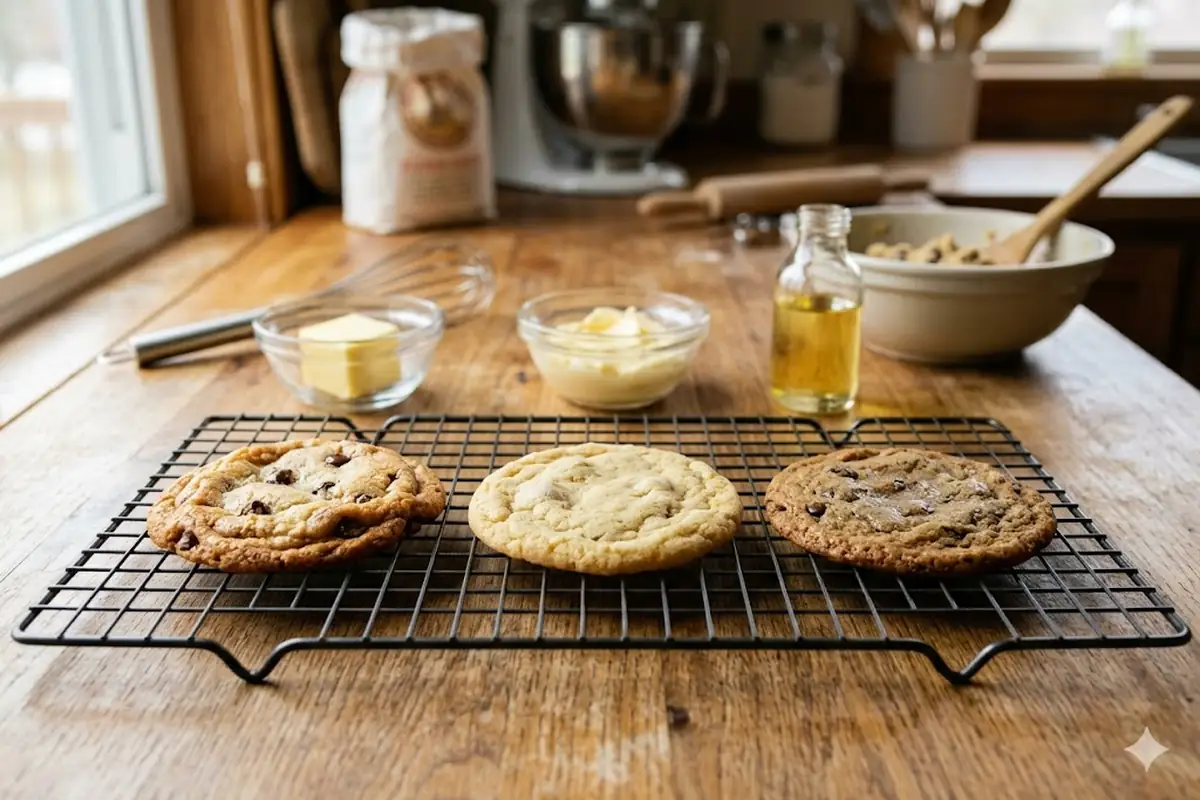
You cannot pick a good replacement without knowing what you are replacing. Butter is not just fat. It does at least five separate jobs in a cookie, and a substitute that nails one job often misses another. That is why an oil-based cookie and a butter cookie can use the same flour and sugar yet come out completely different.
| What butter does | Why it matters in a cookie |
|---|---|
| Adds fat | Tenderness and richness; coats flour to limit gluten |
| Holds air when creamed | Lift and a lighter crumb |
| Melts at body temp | That clean, dissolving mouthfeel |
| Is about 16 to 18 percent water | Steam that helps cookies spread and set |
| Carries flavor | Browns in the oven for that toasty taste |
The big takeaways: butter is a solid fat that holds air when you cream it, and it contains water that turns to steam in the oven. Those two traits drive how a cookie spreads and how light it is. A substitute that is pure liquid fat, like oil, cannot hold air and brings no water, so it makes a denser, flatter, cakier result. A substitute that is solid, like shortening or coconut oil, behaves more like butter on the spread front. Keep that frame in mind and every swap below makes sense.
There is one more property worth naming, because it explains a lot of failed swaps: butter has a melting point right around body temperature. That is why a butter cookie seems to dissolve cleanly on your tongue. Coconut oil melts at a similar point, which is part of why it is such a good stand-in. Shortening and many margarines melt higher, which is why cookies made with them can feel slightly waxy or coat the mouth a little. None of this is a deal-breaker, but if you have ever bitten into a substitute cookie and thought something felt off even though the flavor was fine, melting point is usually the culprit.
Every Butter Substitute, With Ratios
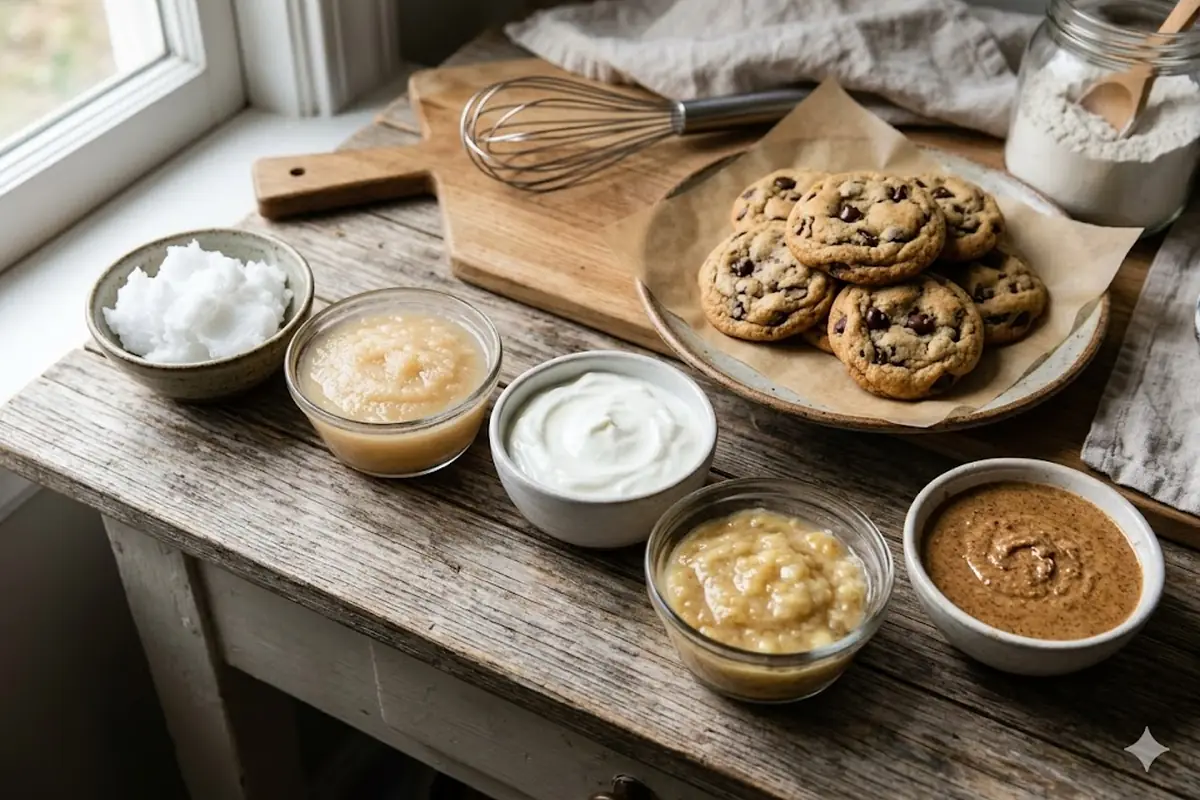
Here is the full lineup at a glance, then a breakdown of when to use each.
| Substitute | Swap ratio (per 1 cup butter) | Effect on cookies |
|---|---|---|
| Margarine (stick, not tub) | 1 cup, 1:1 | Closest match; keeps shape, mild flavor loss |
| Coconut oil (solid) | 1 cup, 1:1 | Crisper, crunchier edge; faint coconut note |
| Vegetable or canola oil | 3/4 cup | Denser, cakier, no spread control |
| Shortening | 1 cup, 1:1 | Taller, softer cookies; less flavor |
| Ghee or clarified butter | 1 cup, 1:1 | Rich and nutty; very close to butter |
| Unsweetened applesauce | 1/2 to 1 cup | Lower fat, cakey and soft; reduce other liquid |
| Greek yogurt | 1/2 cup | Tangy, soft, moist; best mixed with some fat |
| Nut butter | 1/2 cup nut butter + 1/2 cup oil | Adds nutty flavor; great for bars |
Margarine: the closest everyday match
If your only goal is to bake the same cookie without butter on hand, stick margarine is the most reliable choice. It is a 1:1 swap, it holds shape well, and it creams much like butter. Use stick margarine, not the soft tub kind, which contains more water and air and will throw off your texture. The trade-off is flavor: margarine tastes cleaner and less rich than butter, so cookies that lean hard on butter flavor, like shortbread, will notice the difference. For loaded cookies where chocolate or spice carries the show, you will barely tell. Margarine was literally invented as a butter stand-in, so it is no surprise it does the job.
Coconut oil: solid fat with a crisp finish
Solid (not melted) coconut oil swaps 1:1 and behaves a lot like butter because it is also solid at room temperature. The cookies come out a touch crisper and crunchier at the edges, which some people prefer. The catch is a faint coconut aroma; refined coconut oil minimizes it, while virgin coconut oil leans into it. Coconut oil is a favorite in dairy-free baking for exactly this reason, and it shows up across a lot of vegan desserts. Learn more about coconut oil if you want the chemistry.
Oil: easy, but expect a different cookie
Neutral vegetable or canola oil is the swap people reach for in a pinch because it is always in the pantry. Use about three-quarters cup of oil per cup of butter, since oil is pure fat with no water. Be honest with yourself about the result: oil cannot be creamed, so you lose the airy lift, and the cookies turn out denser, flatter, and more uniform. That is fine for some styles and wrong for others. If your cookies are already spreading too much, oil will make that worse, and our guide to why cookies turn out flat explains the spread problem in detail.
Shortening: tall, soft, and shelf-stable
Shortening is 100 percent fat with a high melting point, which means cookies hold their shape longer in the oven and end up taller and softer with less spread. It swaps 1:1. The downside is flavor; shortening tastes of almost nothing, so you lose the buttery richness entirely. Many bakers split the difference and use half butter, half shortening to get the best of both: the structure of shortening and the flavor of butter.
Ghee: the rich, nutty option
Ghee, or clarified butter, is butter with the water and milk solids cooked out. It swaps 1:1 and delivers a deep, nutty, almost toffee-like flavor. Because the water is gone, cookies spread a little less and can feel slightly richer. It is technically still dairy, so it is not for dairy-free baking, but for flavor it is one of the best upgrades on this list.
Applesauce and Greek yogurt: the lower-fat route
If your goal is to cut fat rather than avoid dairy, unsweetened applesauce and Greek yogurt both work, with caveats. Applesauce replaces some of the butter with moisture and pectin, giving soft, cakey, lighter cookies; use a half to a full cup per cup of butter and cut back slightly on other liquids. Greek yogurt adds moisture and a gentle tang. Neither brings fat, so do not replace all the butter with them or your cookies will be gummy and bread-like. Swapping half is the sweet spot. Bakers who already think about ingredient swaps for dietary reasons, like those baking gluten-free desserts, tend to get the best results here because they are used to balancing moisture.
Nut butters: flavor-forward and great for bars
Peanut, almond, or cashew butter can stand in for some of the butter, especially in cookie bars and chewier styles. Because nut butters are part fat and part solids, the reliable formula is half a cup of nut butter plus half a cup of oil per cup of butter. You get a nutty flavor and a dense, satisfying chew. This is less a neutral swap and more a flavor choice, so use it when you want the cookie to taste of the nut.
Vegan butter: the purpose-built option
Worth calling out on its own, because it has gotten genuinely good. Modern plant-based butter sticks are engineered to mimic dairy butter’s fat content, water content, and melting behavior, which makes them the most dependable dairy-free swap for cookies that need to spread and brown like the real thing. Use them 1:1 and chill the dough, since vegan butters can be softer out of the wrapper. They cost more than oil or margarine, but if you bake dairy-free often, they save you the guesswork that comes with adapting a butter recipe to coconut oil. For everyday plant-based baking they slot right into almost any cookie recipe with no other changes, which is exactly why they have become the default fat in serious dairy-free kitchens.
Which Substitute for Which Cookie?
Matching the swap to the cookie style is what separates a good result from a disappointing one. Here is how to think about it.
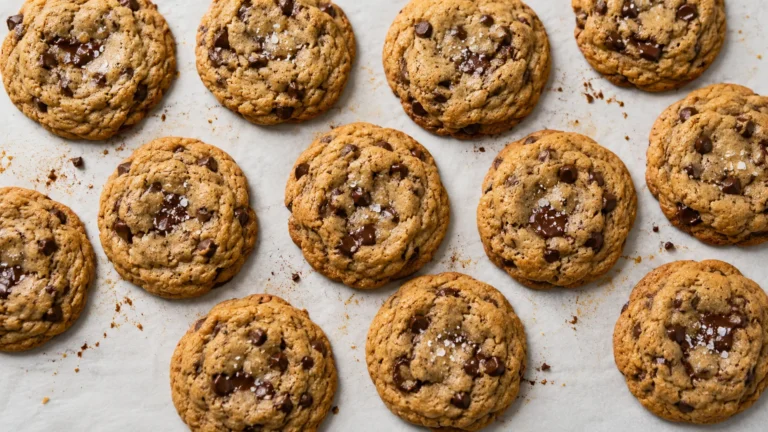
- Chewy drop cookies (like chocolate chip): margarine or a butter-shortening blend. You want some spread and structure. See how the classic version is built in our chocolate chip cookies guide before you start swapping.
- Crisp, snappy cookies: coconut oil or oil. The lower water content and crisper edge suit thin cookies well.
- Soft, cakey cookies: shortening, applesauce, or Greek yogurt. These keep cookies tender and tall.
- Rich, flavor-driven cookies: ghee or a nut butter, where the substitute is actually an upgrade in taste.
- Dairy-free of any style: coconut oil or vegan butter, depending on whether you want crisp or soft.
If you are unsure, default to the closest structural match for your cookie style and accept a small flavor compromise. It is far easier to add flavor back, with a little extra vanilla, a pinch more salt, or browned edges, than it is to rebuild a cookie’s texture after the fact. Structure is the hard part; flavor is the easy fix. That single principle will steer you right more often than any chart.
Salted Versus Unsalted, and Why It Still Matters
One swap people overlook is within butter itself. If a recipe calls for unsalted butter and all you have is salted, you can use it, but reduce the added salt in the recipe by about a quarter teaspoon per half cup of butter. Salted butter also varies in salt content by brand, which is why bakers prefer unsalted: it lets you control the seasoning exactly. The same logic applies to substitutes. Margarine and vegan butter often contain salt, so taste your dough (the safe, egg-free parts) and adjust. A cookie that tastes slightly flat is almost always under-salted, not under-sugared, and this is the cheapest fix in baking.
Common Mistakes When Swapping Out Butter
Most failed substitutions come down to a handful of avoidable errors.
Ignoring water content. Butter is roughly one-sixth water. Pure-fat swaps like oil and shortening bring none, which is why you use slightly less and why the spread changes. If you swap one for one without adjusting, you change the dough hydration without meaning to.
Replacing all the fat with applesauce or yogurt. These are mostly water, not fat. Use them to replace part of the butter, never all of it, or the cookie loses its richness and turns gummy.
Creaming oil. You cannot whip air into a liquid. If a recipe says to cream butter and sugar and you are using oil, just stir them; do not expect the dough to fluff. Adjust your texture expectations accordingly.
Using tub margarine or whipped spreads. These are loaded with extra water and air and are not formulated for baking. Stick to baking sticks. The same care applies to ingredient choices generally; people who pay attention to whether they can use bread flour in cookies are the ones who avoid surprises.
Forgetting flavor. A swap that works mechanically can still taste wrong. Coconut oil tastes of coconut; shortening tastes of nothing; ghee tastes nutty. Pick the flavor you want, not just the texture.
How to Test a Substitute Without Wasting a Batch
When you are trying a swap for the first time, do not commit a full batch to it. Bake two or three cookies as a test, watch how they spread, and adjust before you bake the rest. This five-minute habit prevents countless disappointing trays. If the test cookies spread into puddles, your dough is too soft or too low in structure; chill it longer or add a tablespoon of flour. If they stay in tight mounds and refuse to spread, the fat is melting too high or there is too little of it; press them down slightly before baking or add a touch more fat to the remaining dough.
Chilling matters more with substitutes than with butter, because many swaps are softer at room temperature. Thirty minutes in the fridge firms the fat back up and gives you predictable spread. With coconut oil and vegan butter in particular, a cold dough is the difference between a clean cookie and a flat one.
Finally, keep notes. Write down what you swapped, the ratio, and how the cookies turned out. The first time you nail an oil cookie or a dairy-free batch, you will want to repeat it exactly, and memory is unreliable two months later. Bakers who keep a simple log get better faster, because every batch teaches them something they can actually use next time.
The Bottom Line on Butter Swaps
There is no universal best butter substitute, only the right one for what you are after. For the closest everyday match, reach for stick margarine. For crisp dairy-free cookies, use solid coconut oil; for soft dairy-free cookies that spread and brown like the real thing, use a vegan butter stick. For taller, softer cookies, shortening or a butter-shortening blend wins. For richer flavor, ghee or nut butter. And when the goal is to cut fat, applesauce or Greek yogurt will lighten things up as long as you only replace part of the butter. Start from what butter does in the dough, pick the swap that protects the trait you care about most, test a few cookies before committing, and you will get a result you actually want rather than one you have to settle for. That is the whole game, and once it clicks, running out of butter stops being a problem and starts being an opportunity to bake something a little different.
FAQ
What is the best 1:1 substitute for butter in cookies?
Stick margarine is the closest one-to-one swap because it is solid, creams like butter, and holds shape in the oven. Solid coconut oil and shortening also swap one for one, though coconut oil adds a faint coconut note and shortening loses the buttery flavor.
Can I use oil instead of butter in cookies?
Yes, but use about three-quarters cup of oil per cup of butter and expect denser, flatter, cakier cookies. Oil is pure fat with no water and cannot be creamed, so you lose the lift and the spread control that solid butter provides.
What is a healthier butter substitute for cookies?
Unsweetened applesauce and Greek yogurt both cut fat and add moisture, giving softer, cakier cookies. Replace only half the butter with them, since they bring almost no fat and using too much makes cookies gummy. Mashed banana works the same way if you want the flavor.
Will a butter substitute change how my cookies spread?
Almost always, yes. Solid fats like margarine, shortening, and coconut oil spread similarly to butter, while liquid oil spreads less and stays flatter and denser. Lower-fat swaps like applesauce reduce spread and keep cookies puffy and cakey, so match the swap to the texture you want.