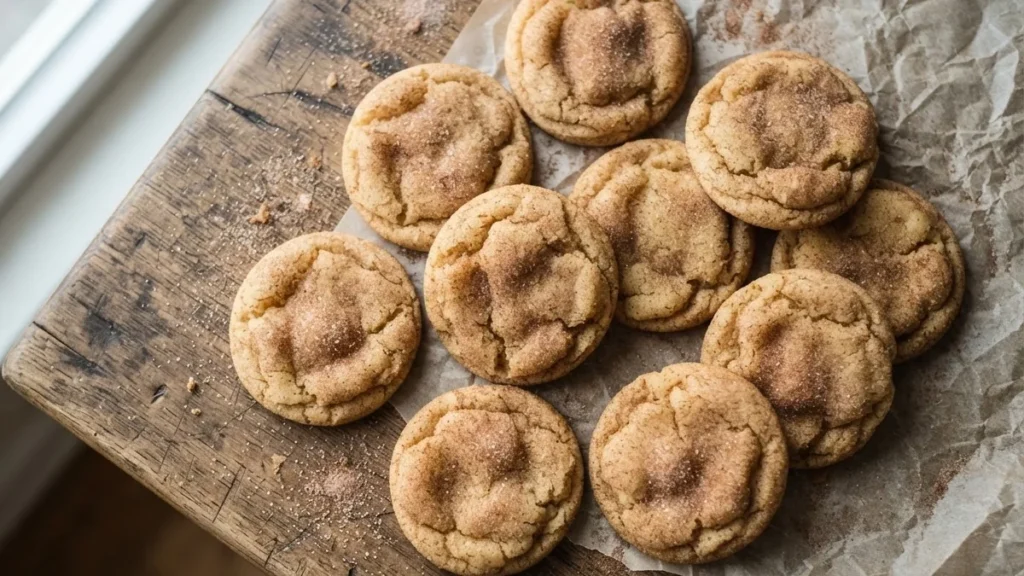
A good snickerdoodle is more than a sugar cookie that fell into the cinnamon jar. Real snickerdoodle cookies have a soft, pillowy center, a faintly crackled top, and a gentle tang that sets them apart from anything else on the cookie tray. That tang is not an accident, and neither is the chew. Both come from one slightly unusual ingredient, cream of tartar, and once you understand what it does, you can make these cookies turn out right every single time instead of hoping for the best.
This is a recipe-first, informational guide. You will get the classic ratio that bakes up soft and thick, a plain-language explanation of why cream of tartar matters, the cinnamon-sugar coating done in the correct proportion, and a troubleshooting table for the four ways snickerdoodles usually go wrong. There is also a reliable method for when you have no cream of tartar in the cupboard, plus storage, freezing, and a few variations worth your time. Nothing here is fussy. It is just a classic cookie, explained well.
Where the Name Comes From
The name is almost as fun as the cookie. Snickerdoodles show up in New England cookbooks going back to the late 1800s, and food historians generally trace the word to either a German term of endearment or the old New England habit of giving whimsical, nonsense names to cookies and quick breads. Whatever the origin, the recipe itself stayed remarkably consistent over the decades: a soft sugar cookie, leavened with cream of tartar, and rolled in cinnamon sugar. That continuity is part of why people feel so strongly about how a snickerdoodle should taste. It is a heritage cookie, and the tang is the part that makes it recognizably itself rather than a generic cinnamon cookie.
What Makes a Snickerdoodle a Snickerdoodle
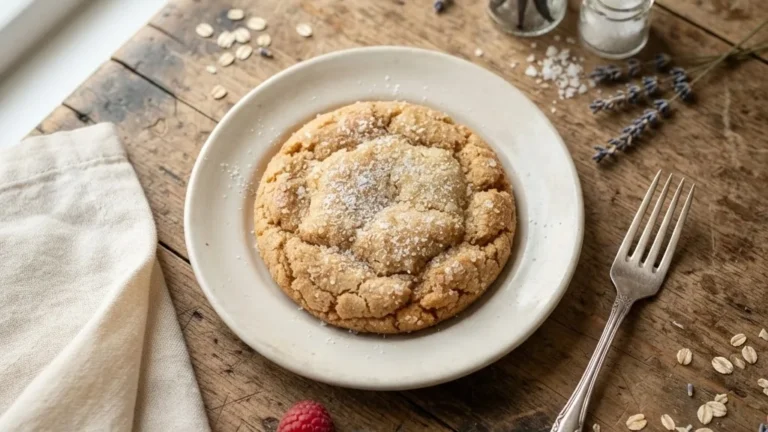
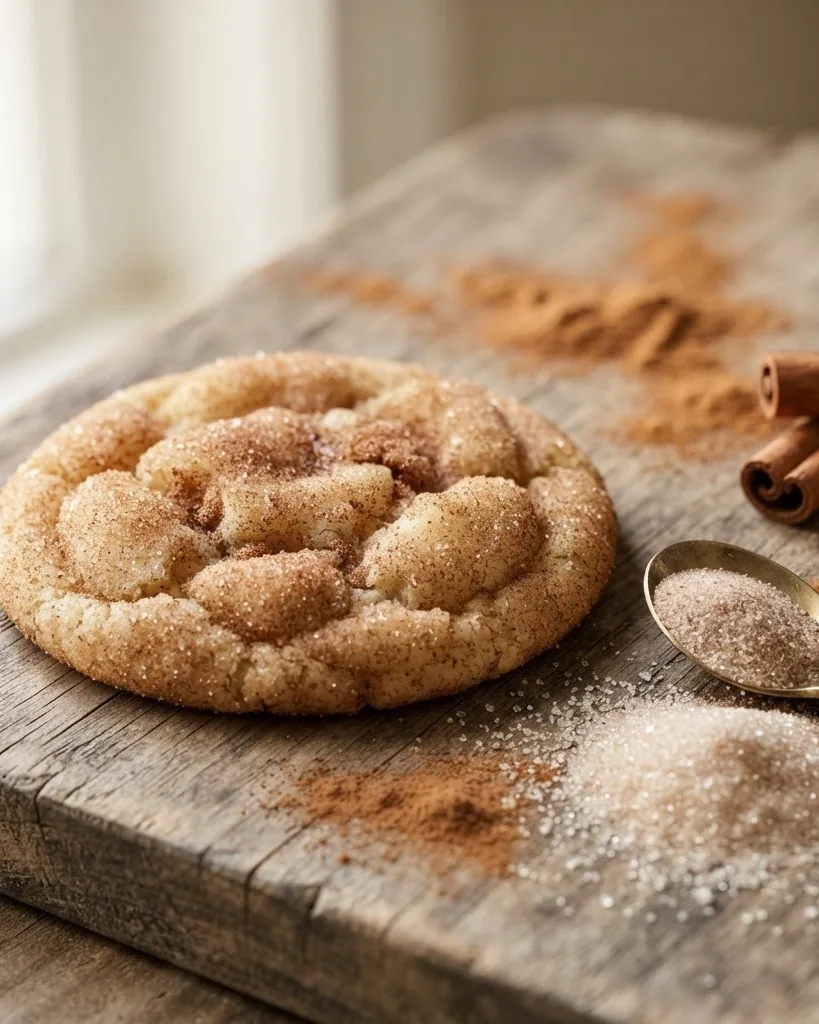
Snickerdoodle cookies are soft sugar cookies leavened with cream of tartar and baking soda, then rolled in cinnamon sugar before baking. That combination is the whole identity of the cookie. The cream of tartar gives a slight tang and keeps the crumb soft, the baking soda lifts and spreads the dough, and the cinnamon-sugar coating crackles as the cookie bakes and sets. Skip the cream of tartar and use baking powder instead, and you technically get a cinnamon cookie, but it loses the tang and the chew that make people call it a snickerdoodle in the first place.
The Cream of Tartar Science, in Plain Terms
Cream of tartar sounds mysterious, but it is just potassium bitartrate, a mildly acidic powder left behind when grapes are fermented into wine. In a snickerdoodle it does two jobs at once. First, it is the acid that reacts with alkaline baking soda; together they make the carbon dioxide that lifts the dough, and that reaction is what gives the cookie its faint, pleasant tartness. Without an acid present, baking soda tastes soapy and metallic, so the tartar is doing flavor work as well as lift.
The second job is quieter but just as important. Cream of tartar interferes with sugar crystallizing as the cookies cool, which keeps the texture soft and chewy rather than crisp and sandy. That is why a true snickerdoodle stays tender for days while a plain sugar cookie often firms up. It is also why substitutes need to be chosen carefully: swap in baking powder alone and you lose the anti-crystallization effect along with the tang, so the cookie reads as flatter in flavor and quicker to dry out.
Ingredients You Need
The list is standard pantry baking, with cream of tartar the one item people forget to buy. Use real butter, softened but not melted, because the temperature of the butter controls how much the cookies spread. Measure flour by spooning it into the cup and leveling it off, since packing the cup adds extra flour and gives you cakey, dry cookies. Bring the eggs to room temperature so they blend in smoothly. The cinnamon-sugar coating is small but specific, and the three-to-one ratio of sugar to cinnamon is what gives a balanced crackle without tasting harsh.
- 1 cup (227 g) unsalted butter, softened to about 65°F (18°C).
- 1 1/2 cups (300 g) granulated sugar for the dough.
- 2 large eggs, at room temperature.
- 2 3/4 cups (330 g) all-purpose flour, spooned and leveled.
- 2 teaspoons cream of tartar and 1 teaspoon baking soda.
- 1/2 teaspoon salt and 1 teaspoon vanilla.
- Coating: 3 tablespoons sugar mixed with 1 tablespoon ground cinnamon.
Tip: If you only have salted butter, just leave out the half teaspoon of added salt. The cookies will be fine, and you will keep the same balance of flavor.
How to Make Snickerdoodle Cookies, Step by Step
The method is classic creamed-butter cookie, so the order matters more than the effort. Cream the butter and sugar long enough to lighten them, because that step beats in the tiny air pockets that help the cookies rise and crackle. Mix the dry ingredients separately so the cream of tartar and baking soda spread evenly; clumps of leavener leave bitter spots. Do not overmix once the flour goes in, or you build gluten and toughen the cookie. Roll the dough generously in cinnamon sugar, since that coating is half the point.
- Heat the oven to 350°F (175°C) and line two baking sheets with parchment.
- Cream the butter and 1 1/2 cups sugar until pale and fluffy; the mixture should visibly lighten in color and gain volume.
- Beat in the eggs and vanilla until smooth.
- Whisk the flour, cream of tartar, baking soda, and salt in a separate bowl, then stir into the wet mixture just until combined.
- Scoop into 1 1/2-tablespoon balls and roll each in the cinnamon-sugar coating.
- Space them 2 inches apart and bake 10 to 12 minutes, until puffed, crackled, and set at the edges but soft in the center.
- Cool on the sheet until the cookies are set enough to lift cleanly, then move to a rack.
Why You Should Chill the Dough (Sometimes)
Chilling is the lever that controls spread, and whether you need it depends on your kitchen. If the dough feels soft or your room is warm, the butter is already loose, and warm butter spreads fast in the oven before the structure sets, giving you thin, flat cookies. A rest in the refrigerator, until the dough feels firm to the touch, sets the butter back up so the cookies hold a thicker shape and crackle better. In a cool kitchen with properly softened, not melted, butter, you can often skip it. If your first tray spreads more than you like, chill the rest of the dough and the problem usually disappears.
How to Know They Are Done
Snickerdoodles are a cookie you pull early on purpose. The trick to a soft, chewy center is to take them out when they look slightly underdone, puffed and cracked across the top with edges that are just set. They will not look fully baked in the middle, and that is exactly right; the residual heat of the pan finishes them as they rest. Most established snickerdoodle recipes bake in the 8 to 12 minute window at 350 to 375 degrees Fahrenheit: the early end of your window gives a soft, bendy cookie, the late end firmer edges with a little more bite. Overbaking past that point is the fastest way to turn a tender snickerdoodle into a dry one.
Tip: Bake one test cookie first if you are unsure of your oven. It costs you ten minutes and tells you exactly how much your dough spreads and how long it needs, so the rest of the batch comes out consistent instead of guessed at.
Why Your Snickerdoodles Go Wrong (Cause and Fix)
Most snickerdoodle problems trace back to butter temperature, flour measuring, or oven time, and each has a clean fix. Work through the table by changing one thing at a time rather than rewriting the recipe. The pattern is easy to remember: flat usually means the butter was too warm, cakey usually means too much flour, dry usually means too long in the oven, and a missing crackle usually means too little leavener or coating. Because the recipe is a balance of just a few forces, a single adjustment is normally all it takes.
| Problem | Most likely cause | Fix |
|---|---|---|
| Flat and thin | Butter too warm or melted | Soften the butter only until it yields to a finger, still cool; chill the dough until firm |
| Cakey, not chewy | Too much flour | Spoon and level the flour, or weigh it at 330 g |
| Dry and crumbly | Overbaked | Pull early in the 8 to 12 minute window; centers should look soft |
| No crackle or tang | Old or missing cream of tartar | Use fresh cream of tartar; coat dough generously |
No Cream of Tartar? Here Is the Right Swap
You can still bake snickerdoodles without cream of tartar, but a one-for-one swap to baking powder gives up the tang. The closest substitute keeps an acid in play. For every teaspoon of cream of tartar plus the matching baking soda, you can use 2 teaspoons of baking powder, which already contains an acid and a base in balance. To bring back some of the lost tartness, add a teaspoon of lemon juice or white vinegar to the wet ingredients. The cookies will be a touch less chewy than the original, but far closer to a true snickerdoodle than baking powder alone delivers.
It is worth keeping a small jar of cream of tartar on hand even if snickerdoodles are the only thing you bake with it, since it lasts for years in the pantry and a single batch uses only two teaspoons. If you bake angel food cake or stabilize egg whites for meringue, you already own it, and the same jar will carry you through dozens of cookie batches before it needs replacing.
Variations Worth Making
Once the classic is in your hands, the cinnamon-sugar base takes well to small upgrades. Keep the dough ratio the same and treat additions as flavor layers, not structural changes, so the texture stays reliable. Brown butter is the easiest way to deepen the flavor into something nutty and caramel-like. Pumpkin turns them into a fall cookie, though you need to manage the extra moisture. Chocolate chips bridge the gap for anyone who finds plain snickerdoodles too subtle. Each one builds on the same cream-of-tartar chemistry that makes the original work.
- Brown butter: brown the butter, cool it until it re-solidifies, then cream as usual.
- Pumpkin: add 1/3 cup pumpkin puree and a little extra flour to offset the moisture.
- Chocolate chip: fold in 1 cup chips after the flour is combined.
- Chai-spiced: add cardamom, ginger, and cloves to the coating.
If cinnamon-forward cookies are your thing, you will also like our brown butter snickerdoodles and our cozy pumpkin snickerdoodles, both of which lean on the same soft, chewy base.
How to Store and Freeze Them
Snickerdoodles keep their soft texture well, which makes them good for baking ahead. Once fully cooled, store them in an airtight container at room temperature for up to five days; a slice of bread tucked in the container helps hold the moisture. To freeze baked cookies, layer them between parchment in a freezer bag and they keep for up to three months, thawing in about fifteen minutes at room temperature. You can also freeze the rolled, coated dough balls and bake them straight from the freezer, adding a minute or two and a fresh dusting of cinnamon sugar before they go in.
That frozen-dough trick is the one worth setting up if you bake often. Scoop and coat the whole batch, freeze the balls solid on a tray, then store them in a labeled bag for up to three months. Because the dough holds well, you can bake two cookies for yourself or a dozen for guests without thawing the rest, and freshly baked snickerdoodles taste noticeably better than ones that have sat out for days. It is also the easiest way to keep a holiday cookie ready, since these are a staple on Christmas trays and the dough is happy to wait until you need it.
Nutrition: What You Are Eating
A snickerdoodle is a butter-and-sugar cookie, so it is a treat rather than a health food. If you track calories, the honest way to get a per-cookie figure is to add up your exact ingredients in USDA FoodData Central, the federal nutrient database, and divide by your batch count, since the number moves with your scoop size and your butter. Most of the energy comes from the butter and sugar, and the cinnamon coating adds next to nothing. If you want smaller treats, scoop tablespoon balls instead of larger ones and shorten the bake slightly, which also gives you a higher coating-to-cookie ratio.
One allergy note belongs here. A classic snickerdoodle contains wheat, egg, and dairy, which are three of the nine major food allergens the FDA requires to be labeled. That makes them off-limits as written for anyone avoiding gluten, eggs, or milk, though each can be swapped with a dedicated substitute. And as with any cookie, the raw dough is not safe to eat, both because of the uncooked egg and because raw flour itself can carry bacteria until it is baked.
Frequently Asked Questions
What does cream of tartar do in snickerdoodle cookies?
It acts as the acid that reacts with baking soda to leaven the dough, which gives snickerdoodles their signature tang. It also slows sugar from crystallizing, which keeps the cookies soft and chewy instead of crisp.
Can I make snickerdoodles without cream of tartar?
Yes. Replace the cream of tartar and baking soda with about 2 teaspoons of baking powder, and add a teaspoon of lemon juice or vinegar to recover some tang. The texture is slightly less chewy, but much closer to the original than baking powder used alone.
Why did my snickerdoodles turn out flat?
Flat cookies almost always mean the butter was too warm or melted when you creamed it. Soften the butter only until it gives to gentle pressure while still feeling cool, and chill the dough until firm before baking if your kitchen is warm.
Do snickerdoodles need to be refrigerated?
No. Store them in an airtight container at room temperature for up to five days. Refrigeration is not necessary and can actually dry them out faster than a sealed container on the counter.
Why don’t my cookies have the crackle on top?
The crackle comes from the cinnamon-sugar coating drying and splitting as the cookie spreads and sets. Roll the dough balls generously in the coating, and make sure your cream of tartar and baking soda are fresh so the cookies rise enough to crack.
The Takeaway
Snickerdoodle cookies are simple once you respect the two things that define them: cream of tartar for tang and chew, and a careful eye on butter temperature and bake time so they stay soft. Cream the butter well, measure the flour by weight if you can, pull the cookies while the centers still look underdone, and roll them generously in cinnamon sugar for that crackled top. From there, branch into brown butter or pumpkin, or keep a batch of coated dough balls in the freezer like we do with our cinnamon butter cookies. The classic never gets old.