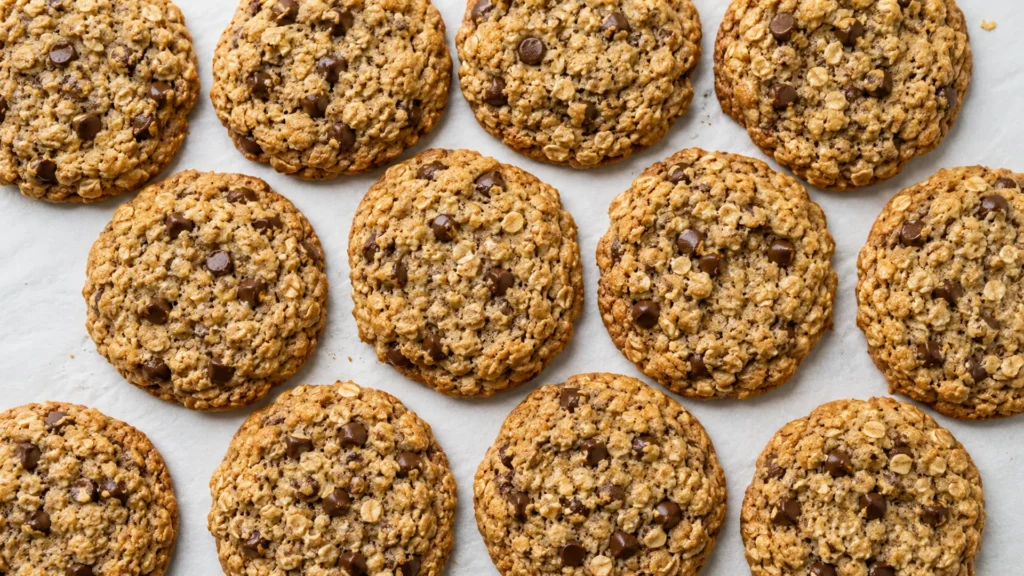
Oatmeal chocolate chip cookies are the cookie that should be easy but trips up more bakers than almost any other, because the oats change the rules. Add rolled oats to a chocolate chip dough and you get chew, heartiness, and a nubbly texture, but you also get a cookie that can turn out cakey, dry, greasy, or flat if your ratios and oat type are off. This guide breaks down exactly how to land a soft, bendable, chewy oatmeal chocolate chip cookie in US units: which oats to use, why brown sugar matters, how to stop them spreading, the right bake, and the troubleshooting for every common failure. By the end you will understand why the oats behave the way they do and how to bake the exact texture you want, batch after batch.
The most common complaint about oatmeal cookies is always the same: they come out dry and crumbly, or worse, cakey and bland. Both problems trace back to a handful of choices about oats, sugar, fat, and bake time. None of them are hard once you understand what each one does. The place to start is the ingredient that defines the whole cookie: the oats.
Old-Fashioned Oats vs Quick Oats vs Instant
The type of oat you use is the biggest single decision in this cookie, bigger than the chocolate. Old-fashioned rolled oats are the right choice for a chewy cookie. They are whole oat groats steamed and rolled flat, so they are large, hold their shape through baking, and give that signature hearty chew and texture you want.
Quick oats are rolled thinner and cut smaller, so they absorb moisture faster and bake into a softer, more uniform, less chewy cookie that can verge on cakey or dense. They work in a pinch but lose the texture that makes an oatmeal cookie an oatmeal cookie. Instant oats, the kind in flavored packets, are precooked, powdery, and often sweetened, and they will turn your dough mushy and gummy, so avoid them entirely. Steel-cut oats are the opposite problem: they never soften enough and stay hard and gritty, so they do not work here either. If a recipe just says oats, it means old-fashioned rolled. If you only have quick oats, expect a softer, less textured cookie and reduce the bake time slightly since they cook faster.
Why Brown Sugar Is the Key to Chew
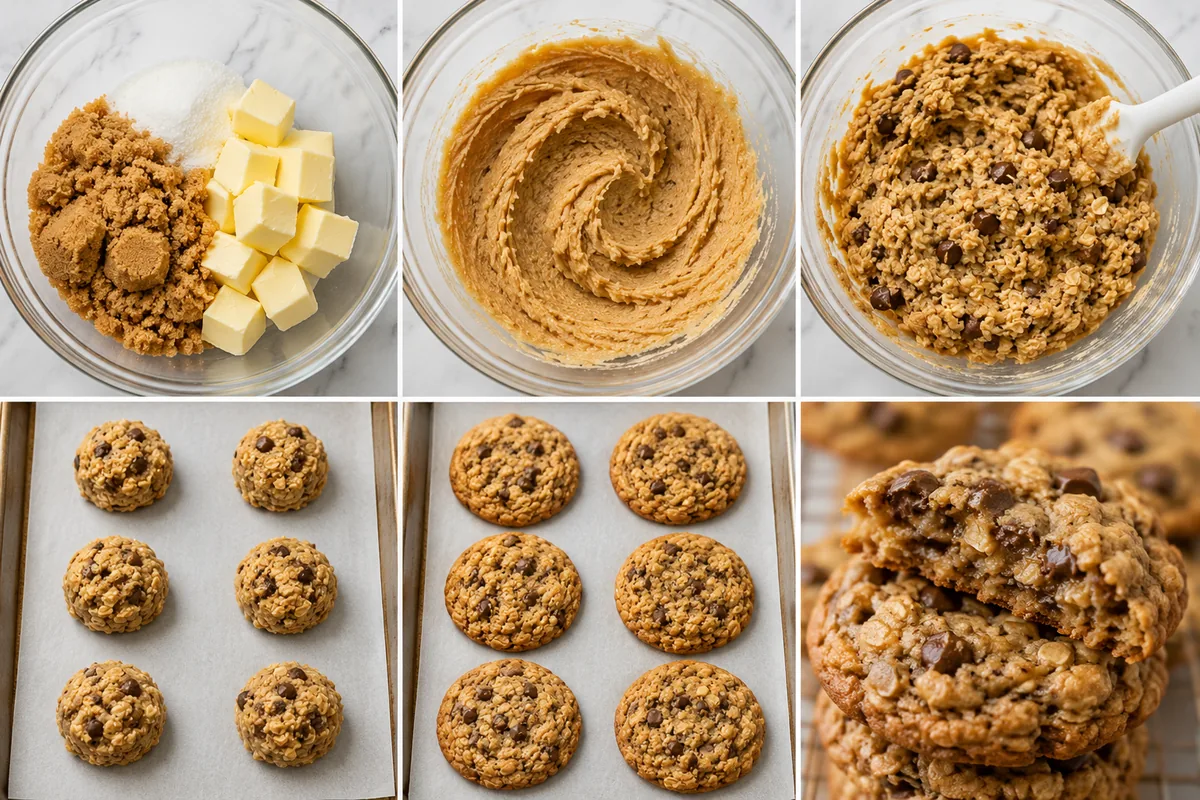
Sugar choice controls texture more than people expect, and for a chewy oatmeal cookie, brown sugar should dominate. Brown sugar is granulated sugar with molasses added back, and that molasses brings moisture, acidity, and a soft, chewy character. A dough heavy on brown sugar bakes up moist and bendable; a dough heavy on white sugar bakes up crisper and more spread out.
For a soft, chewy oatmeal chocolate chip cookie, lean your sugar ratio toward brown, often two parts brown to one part white, or even all brown sugar for maximum chew. The white sugar you keep helps the edges set and adds a little crisp contrast. A tablespoon of molasses added directly is another way some recipes push the old-fashioned, chewy character even further. If your oatmeal cookies come out dry and crumbly, too much white sugar relative to brown is a likely culprit, alongside overbaking and too much flour.
The Ingredient Logic and a Reliable Ratio
A dependable chewy oatmeal chocolate chip cookie runs roughly: 1 cup (227 grams) softened butter, 1 cup packed brown sugar, 1/2 cup granulated sugar, two large eggs, vanilla, 1 and 1/2 cups (188 grams) all-purpose flour, 3 cups old-fashioned rolled oats, baking soda, salt, and 1 and 1/2 to 2 cups chocolate chips. The high oat-to-flour ratio is what keeps these from tasting like a chocolate chip cookie with a few oats thrown in.
Each component has a job. The butter carries flavor and, creamed with sugar, sets the texture. Brown sugar brings the chew and moisture. Eggs bind and add structure. Flour provides just enough structure without making the cookie bready, which is why oatmeal cookies use less flour than a plain cookie of the same size, since the oats provide bulk. Baking soda gives a little lift and helps browning. The oats are the body and chew. Keep the chocolate generous, and use a mix of semisweet chips and chopped chocolate if you want pools as well as pockets. For the underlying technique that makes any oat cookie chewy rather than cakey, our dedicated oatmeal cookies guide goes deep on the oat-to-flour balance.
| You want | Do this |
|---|---|
| Chewy texture | Old-fashioned oats, mostly brown sugar |
| Less spread | Chill dough, cool sheet, weigh flour |
| Softer center | Pull while centers look underdone |
| Crisp edges | Keep some white sugar, bake to set |
| More texture | High oat ratio, never quick oats |
The Science of Why Oats Make a Chewy Cookie
It is worth understanding why oats deliver chew, because that understanding tells you how to protect it. Rolled oats are mostly starch and fiber, and during baking they absorb moisture from the dough and swell, the same way they would in a bowl of oatmeal. That swelling and the physical bulk of the oat flakes give the cookie a dense, substantial, slightly bouncy body that flour alone cannot. The fiber in oats holds onto water, which is part of why a well-made oatmeal cookie stays moist longer than a plain cookie and resists going stale.
This is also why the type of oat and the bake time matter so much. Old-fashioned oats are large enough to stay intact and give that bite, while quick oats break down and dissolve into the crumb, trading chew for a soft, uniform, cakey texture. Overbaking is the enemy because it drives the moisture back out of those swollen oats, collapsing the chew into dryness. The lesson is to give the oats enough moisture and heat to swell and cook, then stop, which is exactly why brown sugar and a slightly underdone bake are the two levers that matter most for chew.
Choosing Your Chocolate
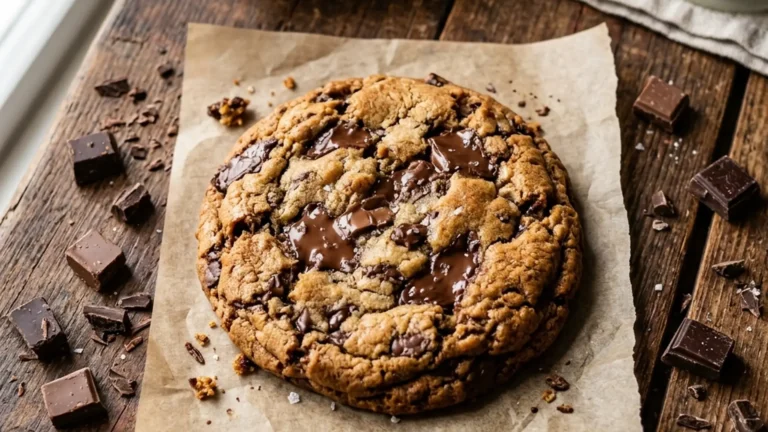
The chocolate is not an afterthought in this cookie. Semisweet chocolate chips are the standard and give a familiar sweetness that balances the earthy oats. Dark chocolate, in chips or chopped from a bar, adds a more grown-up bitterness that cuts the sweetness and pairs beautifully with the brown sugar and any cinnamon. Chopped chocolate from a bar, rather than chips, melts into irregular pools and streaks because it lacks the stabilizers that help chips hold their shape, which gives a more luxurious, melty result. Many bakers use a mix of chips for pockets and chopped chocolate for pools, plus a few extra pieces pressed onto the tops after baking for looks. Whatever you choose, be generous, since the hearty oat base can carry more chocolate than a delicate cookie.
Chilling: When It Helps and When to Skip It
Oatmeal cookies spread less than plain chocolate chip cookies because the oats soak up some of the free moisture and fat, so chilling is less critical here than for cut-out cookies. But it still helps, especially on a warm day or if your dough feels soft and greasy. Chilling firms the butter so the cookies hold a thicker shape and bake up taller and chewier instead of spreading into thin, lacy disks.
A chill of 30 to 45 minutes is usually enough for oatmeal chocolate chip cookies; you do not need the long overnight rest that benefits a brown butter cookie. If your dough already feels firm and scoopable, you can bake right away. The exception is if you browned the butter or your kitchen is hot, in which case chill until the dough is firm. The simple test: if a scooped ball holds its shape and does not slump on the counter, it is ready to bake.
Baking: Temperature and Timing
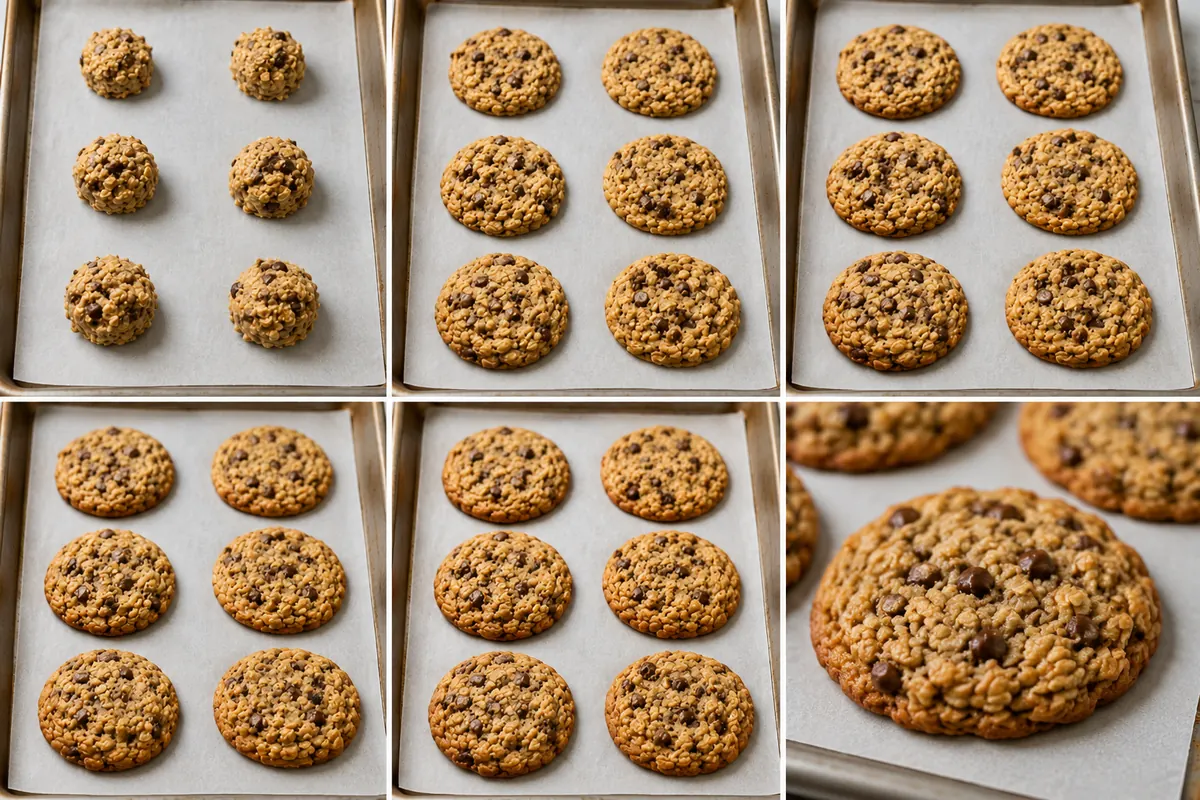
Bake oatmeal chocolate chip cookies at 350 degrees Fahrenheit for about 10 to 12 minutes, depending on size. This moderate temperature gives the oats time to cook through and the centers to set without the edges burning. Use a cookie scoop for uniform size so every cookie finishes at the same time.
The doneness cue is the whole ballgame for chew. Pull the cookies when the edges are set and lightly golden but the centers still look slightly underbaked and puffy, not gooey but not fully firm. They will look not-quite-done, which is correct, because the oats and residual heat finish the bake on the hot sheet over the next five minutes. Leaving them in until the centers look fully done is the single most common way bakers turn a chewy cookie into a dry, hard one. Let them rest on the sheet for five minutes to finish setting, then move them to a rack. If you want photo-perfect rounds, swirl a wide glass around each cookie right out of the oven, and press a few extra chocolate chips into the warm tops.
Pan and rack position matter for an even bake. Line your sheet with parchment or a silicone mat and bake on the middle rack, one tray at a time when you can, since the middle rack gives the most even heat and keeps the bottoms from scorching. A light-colored aluminum sheet browns more gently than a dark pan, which can overcook the bottoms before the centers set. If you must bake two trays at once, rotate them top to bottom and front to back halfway through so they color evenly. And always start with a cool sheet, because loading dough onto a hot pan melts the butter early and spreads the cookies before the oven can set the chewy structure you worked for.
Add-Ins and Flavor Variations
Oatmeal chocolate chip cookies take well to additions because the hearty base stands up to mix-ins that would overwhelm a delicate cookie. Toasted chopped walnuts or pecans add crunch and a nutty depth that pairs naturally with the oats. A half cup of raisins or dried cranberries brings chew and tartness, and the cranberries are especially good against the chocolate. Shredded coconut adds texture and a subtle sweetness.
For flavor, a half teaspoon of cinnamon is the classic move and reinforces the cozy, oatmeal character; a pinch of nutmeg deepens it further. A teaspoon of vanilla is standard, and a small amount of molasses pushes the old-fashioned flavor. Browning the butter before creaming, the same technique used in deluxe chocolate chip cookies, adds a nutty toffee note that is outstanding with oats. The one rule with add-ins is to keep the total volume reasonable so the dough still holds together; too many extras and the cookies fall apart. Add flavor without adding much liquid, since extra moisture changes the spread.
Storage, Freezing, and Make-Ahead
These cookies keep well thanks to the moisture-holding oats and brown sugar. Store cooled cookies in an airtight container at room temperature for three to five days, and drop a slice of sandwich bread in the container to keep them soft; the cookies draw moisture from the bread and stay tender. Keep them away from crisp cookies so they do not swap textures. Do not refrigerate, which dries them out.
The dough freezes excellently. Scoop it into balls, freeze them solid on a tray, then transfer to a bag for up to three months and bake straight from frozen with one to two extra minutes. You can also freeze the baked cookies, layered between parchment, for up to three months and thaw at room temperature. Freezing dough is the better option for fresh, warm cookies on demand, which makes oatmeal chocolate chip a great make-ahead cookie for the holidays or for keeping a stash ready for unexpected guests.
Troubleshooting Common Failures
Cookies are dry and crumbly. Too much flour, too much white sugar, or overbaking. Weigh your flour, shift the sugar ratio toward brown, and pull the cookies while the centers still look underdone.
Cookies are cakey, not chewy. You used quick oats, too much flour, or too many eggs. Switch to old-fashioned rolled oats, measure flour by weight, and lean on brown sugar for chew.
Cookies spread flat and greasy. The butter was too soft or melted, or the dough was warm. Use properly softened, cool butter, and chill the dough before baking on a cool sheet.
Oats taste raw or gritty. You used steel-cut oats or underbaked the cookies. Use rolled oats and bake until the edges are properly set.
For more on cookie texture science and the role of sugar and oats, the testing teams at America’s Test Kitchen have run detailed trials, and the editors at Bon Appetit cover chew-versus-crisp decisions in depth.
Frequently Asked Questions
What oats should I use for oatmeal chocolate chip cookies?
Use old-fashioned rolled oats for the best chewy texture. They hold their shape and give the hearty chew that defines the cookie. Quick oats work in a pinch but make a softer, more cakey cookie, while instant oats turn the dough gummy and steel-cut oats stay hard and gritty. When a recipe says oats, it means old-fashioned rolled.
Why are my oatmeal cookies dry and crumbly?
The usual causes are too much flour, too much white sugar relative to brown, or overbaking. Weigh your flour instead of scooping, shift the sugar ratio toward brown sugar for moisture and chew, and pull the cookies while the centers still look slightly underdone. They finish setting on the hot sheet and stay soft.
Do I need to chill oatmeal chocolate chip cookie dough?
It helps but is less critical than for plain chocolate chip cookies, because the oats absorb some moisture and limit spread. A 30 to 45 minute chill firms the butter so the cookies bake thicker and chewier. If your dough already feels firm and a scooped ball holds its shape, you can bake right away.
How do I keep these cookies soft and chewy?
Use old-fashioned oats and mostly brown sugar, do not overbake, and store the cooled cookies in an airtight container with a slice of sandwich bread. The bread keeps them tender for days. Underbaking slightly, so the centers look soft when they come out, is the biggest factor in a lasting chewy texture.
Can I add raisins or nuts to oatmeal chocolate chip cookies?
Yes. The hearty oat base stands up well to add-ins. Toasted walnuts or pecans add crunch, and raisins or dried cranberries add chew and tartness that play nicely with the chocolate. Keep the total volume of add-ins reasonable so the dough still holds together, and add a half teaspoon of cinnamon to tie it together.
Can I freeze oatmeal chocolate chip cookie dough?
Yes. Scoop the dough into balls, freeze them solid on a tray, then transfer to a bag for up to three months. Bake straight from frozen with one to two extra minutes. You can also freeze the baked cookies between layers of parchment for up to three months and thaw at room temperature. Freezing dough gives the freshest result.
Bottom Line
A great oatmeal chocolate chip cookie comes down to a few deliberate choices. Use old-fashioned rolled oats for chew, lean your sugar toward brown for moisture, and keep the oat-to-flour ratio high so the cookie tastes like oatmeal rather than a chocolate chip cookie with extras. Weigh your flour, chill the dough if it feels soft, and pull the cookies while the centers still look underdone so they stay soft instead of crossing into dry and hard. Add nuts, dried fruit, or a little cinnamon to make it yours, store them with a slice of bread, and freeze the dough for fresh cookies any time. Get those few things right and you get a chewy, hearty, chocolate-studded cookie that holds together when you bend it, every single batch.