By CookieGrove Editorial Desk. Last updated June 2026.
Milano cookies are Pepperidge Farm’s oval sandwich cookie: two thin, crisp vanilla wafers with a layer of chocolate pressed between them. The original is dark chocolate, but the line has spun off more than twenty flavors since 1957, from mint and raspberry to a newer white-chocolate trio. If you have ever stood in the cookie aisle wondering which Milano is which, or whether the fancy ones are worth it, this guide sorts the whole family out, explains where the cookie came from, and shows how to get the most out of a bag.
Even with homemade cookies in reach, Milanos earn a place in the pantry. They are a useful benchmark: the crisp-wafer-and-chocolate format is hard to beat for balance, and understanding why they work tells you a lot about how a good sandwich cookie is built. Below you will find a flavor-by-flavor breakdown, the surprisingly tidy backstory, the difference between the standard and white-chocolate lines, and a few pairing ideas that turn a plain cookie into a small dessert.
What a Milano Cookie Actually Is
At its core a Milano is a chocolate sandwich cookie, but the construction matters. The two outer cookies are thin, snappy, and lightly vanilla, closer to a butter cookie than to a soft drop cookie. Between them sits a firm layer of chocolate that is set, not gooey, so the cookie stays crisp at room temperature and breaks with a clean snap. That contrast, crisp wafer against smooth chocolate, is the entire appeal, and it is why a Milano feels more grown-up than a typical sandwich cookie.
The oval shape is not just branding. A long, narrow cookie gives you more edge per bite and a higher ratio of crisp wafer to filling than a round cookie of the same weight, which keeps the chocolate from overwhelming the cookie. If you want to understand how this style sits among other crisp, butter-forward cookies, our overview of the main types of cookies lays out where the thin sandwich cookie fits between wafers, shortbread, and soft drop cookies.
The History Behind the Oval
The Milano arrived in 1957, and its origin is a tidy piece of cookie engineering. Pepperidge Farm already sold a cookie called the Naples, which was a single vanilla wafer with chocolate on top. The problem was shipping: in warm weather the exposed chocolate melted and stuck to everything. The fix was to sandwich the chocolate between two cookies, which protected it and, by accident, created a better cookie. The Naples faded and the Milano became a flagship.
From there the line followed a clear pattern: take the reliable dark-chocolate base and layer in one new note at a time. Mint joined in 1968, and over the decades the brand has rotated through raspberry, orange, milk chocolate, dark chocolate sea salt, and seasonal runs. The naming, with city names like Milano, Brussels, and Genoa across the larger Pepperidge Farm cookie family, was a deliberate nod to a European bakery image. You can read the longer corporate and cultural history on the Pepperidge Farm and Milano cookie reference pages, both of which trace the timeline in detail.
Every Milano Flavor, Sorted
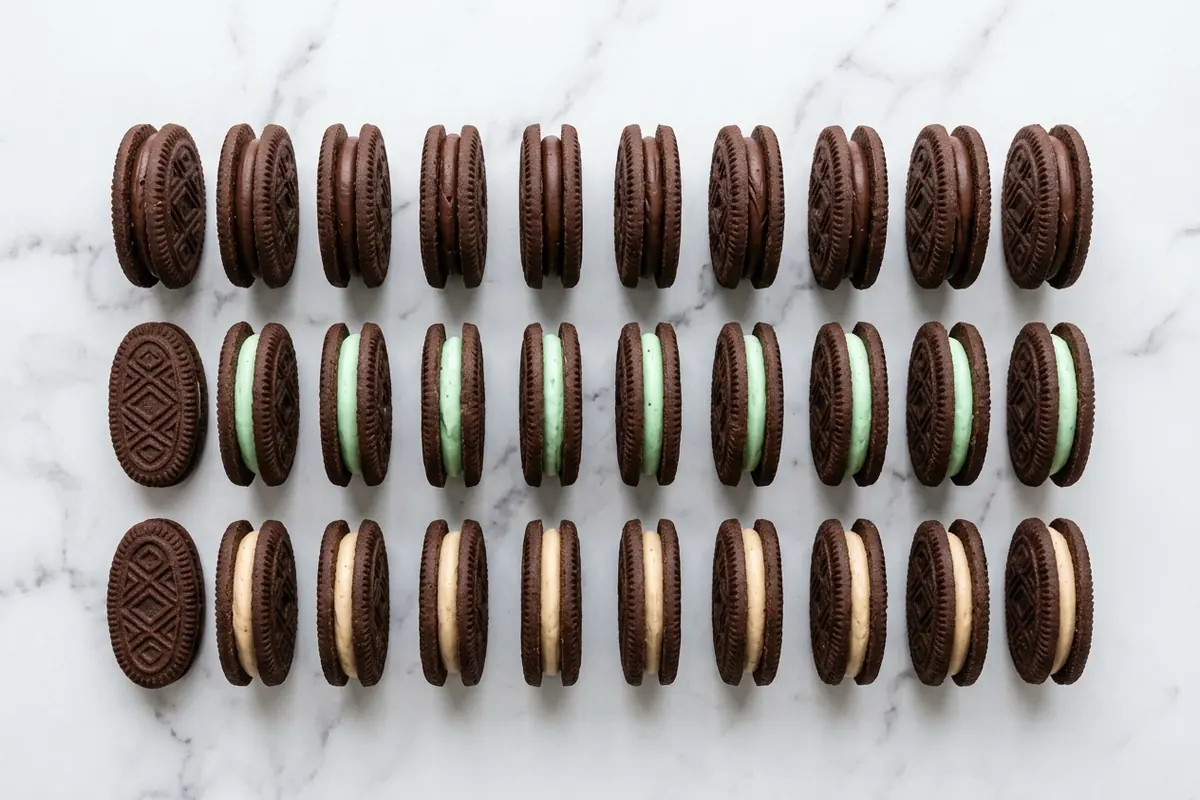
The lineup shifts year to year, with some flavors permanent and others seasonal, but the core family is stable. Here is the practical rundown of what you are likely to find and who each one suits.
| Milano variety | What is inside | Best for |
|---|---|---|
| Classic (Double Chocolate) | Two crisp cookies, dark chocolate center | The baseline; pairs with coffee |
| Milk Chocolate | Sweeter milk chocolate filling | Kids and milk dunkers |
| Mint | Dark chocolate plus mint layer | After-dinner, holiday tins |
| Raspberry | Dark chocolate with raspberry | Fruit-and-chocolate fans |
| Orange | Dark chocolate with orange | A retro citrus favorite |
| Dark Chocolate Sea Salt | Dark chocolate, a salt note | Sweet-salty palates |
| White Chocolate (Lemon, Strawberry, Coconut) | White chocolate, fruit notes | Lighter, brighter cravings |
A few notes from tasting these side by side. The classic dark chocolate is still the most balanced; the wafer and the slightly bitter chocolate keep each other in check. The mint is the strongest performer in the flavored group because mint and dark chocolate are a proven pair. The fruit flavors, raspberry and orange, live or die on whether you like fruit-and-chocolate at all; the fruit reads as a jammy note rather than fresh fruit. The newer white-chocolate line, with lemon, strawberry, and coconut, is the biggest departure, because white chocolate is sweeter and creamier, so those cookies read as a different, lighter dessert rather than a richer Milano.
Standard line versus the white-chocolate line
It helps to think of Milanos in two families. The standard line is built on dark or milk chocolate and tastes like a classic, semi-sweet sandwich cookie. The white-chocolate line, introduced more recently with fruit flavors, swaps the dark chocolate for sweeter white chocolate, which changes the whole balance. If you find regular Milanos slightly bitter or too plain, the white-chocolate fruit versions are aimed squarely at you. If you love the coffee-and-dark-chocolate feel of the original, the white-chocolate cookies will taste noticeably sweeter and less complex. Neither is better; they are built for different cravings.
Are the Premium Flavors Worth It?
The flavored and seasonal Milanos usually cost a little more than the classic, and whether that premium is worth paying depends on what you want. For everyday snacking and for dunking, the standard dark chocolate is the smart buy: it is the most versatile and the chocolate holds up best against coffee or milk. The flavored versions earn their place when you want them to do a specific job, such as a mint Milano alongside after-dinner coffee, or a raspberry one as a quick stand-in for a fancier dessert.
My rule of thumb: buy the classic for the pantry and treat the flavored bags as occasional desserts rather than snacks. A mint or sea-salt Milano with espresso is a genuinely nice end to a meal, and at that point you are paying for a small dessert, not just a cookie. For holiday gatherings, a couple of flavored bags on a cookie tray reads as more thoughtful than a single flavor, which is the same logic behind building a varied holiday cookie spread at home.
How to Serve and Pair Milanos
A Milano is good on its own, but it punches above its weight with the right partner. The crisp wafer and firm chocolate make it ideal for dipping and for using as a building block in quick desserts. Here are the most useful pairings.
| Pairing | Why it works |
|---|---|
| Black coffee or espresso | Bitterness offsets the sweet filling |
| Earl Grey or black tea | Bergamot echoes the London Fog style |
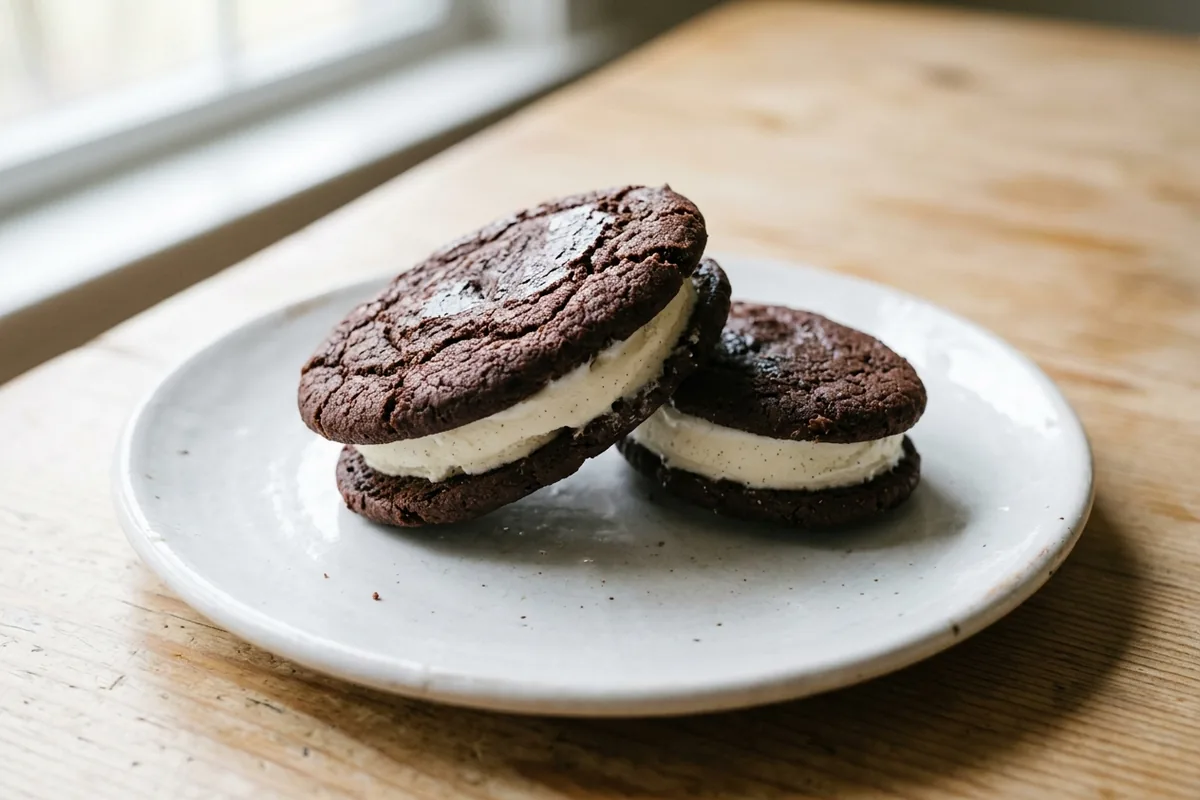
| Vanilla ice cream | Use two Milanos as an ice cream sandwich |
| Port or tawny dessert wine | Dark chocolate loves fortified wine |
The ice cream sandwich trick is the best-kept secret here. Because the cookies are flat and firm, two Milanos with a thin disc of softened vanilla or coffee ice cream between them make a fast, elegant ice cream sandwich that holds its shape. Mint Milanos with mint-chip ice cream, or raspberry Milanos with vanilla, take about two minutes and look like you tried much harder than you did. If you would rather pair them with a warm dessert, a couple of Milanos crumbled over a scoop of ice cream alongside a warm baked treat from the air fryer is an easy win; our friends cover that format in their air fryer desserts collection. And if you are keeping things lower in sugar, a single dark-chocolate Milano next to a richer keto dessert can scratch the cookie itch without going overboard.
Storing Milanos So They Stay Crisp
Milanos are crisp cookies, and crisp cookies have one enemy: humidity. Once a bag is open, the wafers pull moisture from the air and go soft and stale faster than you would expect, especially in a warm or humid kitchen. The fix is simple. Reseal the inner tray tightly, or move the cookies to an airtight container or a zip-top bag with the air pressed out. Keep them at room temperature, away from the stove and any heat source, since warmth softens the chocolate center and makes the cookies prone to sticking.
Do not refrigerate them. The fridge is humid and full of competing odors, and crisp cookies tend to absorb both, ending up soft and faintly oniony. If you have bought several bags for a party, keep the spares sealed and unopened in a cool, dry cupboard and only open what you will serve. Unopened, they keep well to the printed date; opened and resealed properly, plan on a week or so of good texture before they start to soften.
How Milanos Compare to Homemade Sandwich Cookies
A common question is whether a Milano is worth recreating at home, and the answer depends on what you value. A Milano gets its signature snap from industrial baking that drives almost all the moisture out of a thin, uniform wafer, then tempers and sets the chocolate filling at a precise temperature so it stays firm at room temperature. That level of consistency is hard to match in a home oven, where wafers bake slightly unevenly and homemade chocolate filling stays softer unless you temper it properly.
What you can do at home is capture the spirit of the cookie: a thin, crisp, butter-and-vanilla wafer with a set chocolate layer between two halves. If you want that crisp, butter-forward base, you are really making a thin butter or shortbread-style cookie, then sandwiching it with a chocolate ganache that has been chilled until firm. The result tastes fresher and more buttery than a Milano, but it will not have the same shelf-stable, dry snap. For most people the store cookie wins on convenience and consistency, while a homemade version wins on flavor and the fun of making it. If you go the homemade route, the same principles that govern crisp, low-moisture cookies apply, and our broader guide to the types of cookies explains how moisture, fat, and bake time decide whether a cookie ends up snappy or soft.
Building a Milano-Inspired Dessert Tray
Because Milanos come in so many flavors, they are a shortcut to a varied dessert tray without baking a thing. The trick is to choose flavors that contrast rather than repeat. A tray with classic dark chocolate, mint, and one of the white-chocolate fruit varieties gives your guests a bitter-leaning option, a refreshing option, and a sweet, creamy option, which covers most preferences. Arrange them in rows by flavor so people can see what they are choosing, and add a small bowl of berries or a few squares of good chocolate to round out the look.
For a no-bake centerpiece, build a quick icebox-style stack: layer Milanos with lightly sweetened whipped cream in a loaf pan, chill it for several hours, and the cookies soften into a sliceable, tiramisu-like dessert. It is the same logic that makes wafer-and-cream desserts work, and it turns a single bag into something that looks deliberate. If you are planning a larger spread for a gathering, mixing store cookies like these with a few homemade batches keeps the effort manageable while still feeling generous, which is the whole idea behind a well-built holiday cookie assortment.
A Quick Word on Value and Nutrition
Milanos are a treat, and they are priced and portioned like one. A serving is usually three cookies, and like most chocolate sandwich cookies they bring a fair amount of sugar and fat for their size, with little fiber or protein. That is not a knock; it is what a dessert cookie is. The practical takeaway is to enjoy them as a small, deliberate treat rather than open-bag grazing, because the thin, crisp format makes it easy to eat far more than one serving without noticing.
On value, the math favors the classic dark chocolate, which usually carries the lowest price per cookie and the most versatile flavor. The seasonal and white-chocolate flavors cost more and show up for limited runs, so if you find a flavor you love, it is reasonable to grab an extra bag, since it may rotate out before you think to look again. Stored properly in a cool, dry place, an unopened bag holds its quality well past the date you bought it, so stocking up on a favorite is low risk.
Choosing the Right Milano for the Moment
If you take a step back, picking a Milano is really about matching the cookie to the occasion. For an everyday cookie jar, the classic dark chocolate is the workhorse: it is affordable, widely stocked, and it dunks well in coffee or milk. For an after-dinner moment with espresso, the mint or the dark chocolate sea salt feels more like a small dessert and reads as intentional. For a brighter, lighter craving, especially in spring and summer, the white-chocolate fruit flavors with lemon, strawberry, and coconut hit differently and feel less heavy than the dark-chocolate line.
For gifting and gatherings, variety is the move. A few different bags arranged together on a tray reads as more generous than a single flavor, and the mix lets guests find something they like without you guessing. And for the freezer trick in summer, the dark-chocolate classic holds up best, since its firm filling stays snappy straight from the freezer while the creamier white-chocolate versions soften faster. Once you start thinking of Milanos by occasion rather than by habit, the lineup stops being confusing and starts being genuinely useful, because each flavor quietly has a job it does best.
Frequently Asked Questions
What is the most popular Milano cookie flavor?
The original dark chocolate, often labeled Double Chocolate, is the best seller and the most widely available. Among the flavored options, mint is consistently the most popular because dark chocolate and mint are a classic, crowd-pleasing pairing. The newer white-chocolate fruit flavors sell well seasonally but have not displaced the dark-chocolate classic as the flagship.
Are Milano cookies the same as Brussels or Geneva cookies?
No, though they are cousins in the same Pepperidge Farm family. Milanos are two flat oval wafers with a chocolate layer between them. Brussels cookies are crispier, lacier rings with a thin chocolate stripe, and Geneva cookies add chopped nuts and a chocolate coating. They share the European-bakery branding and the crisp-wafer style, but the shape, texture, and chocolate format are different.
Can you freeze Milano cookies?
You can, though they freeze better than they thaw. Sealed in an airtight container or freezer bag with the air pressed out, Milanos hold for a couple of months. Let them come back to room temperature in the sealed bag before opening, so condensation forms on the outside of the bag rather than on the cookies. Eaten straight from the freezer they are pleasantly firm and the chocolate snaps, which some people actually prefer in summer.
Why do Milano cookies stay crisp when other cookies go soft?
Two reasons. The outer cookies are a low-moisture, butter-and-vanilla wafer baked until snappy, so there is little internal moisture to make them soften from the inside. And the chocolate filling is fully set rather than soft, so it does not bleed moisture into the wafers. Soft drop cookies, by contrast, are made to stay moist, which is exactly why they go stale and dry rather than soft. The only thing that softens a Milano is humidity from the outside, which is why an airtight container matters.