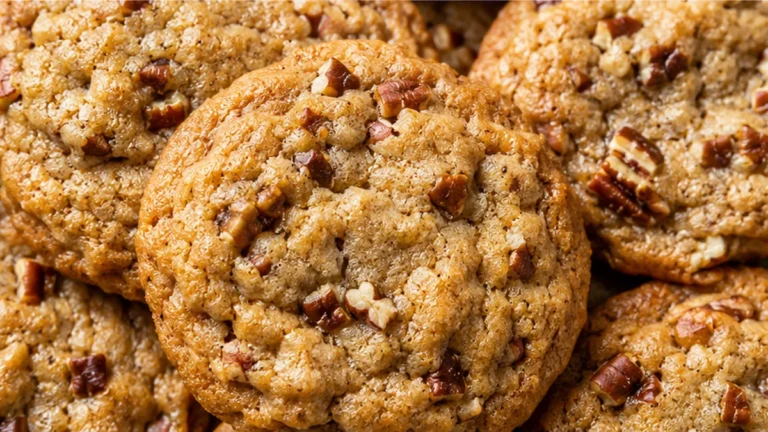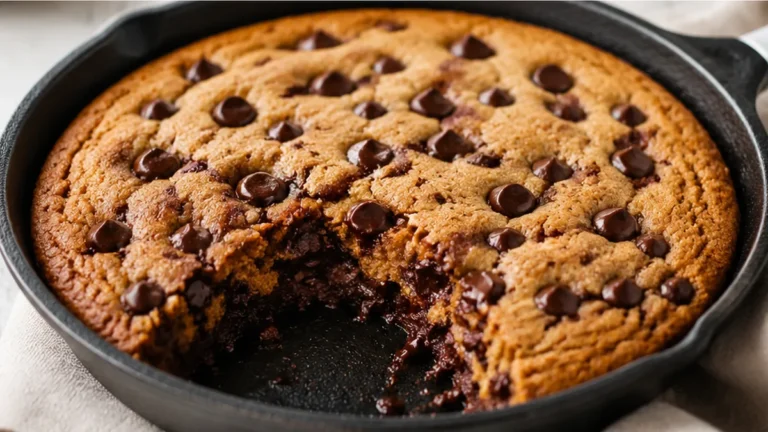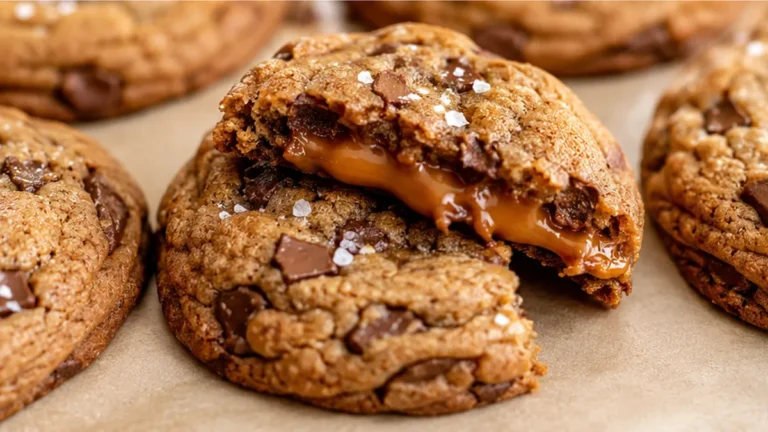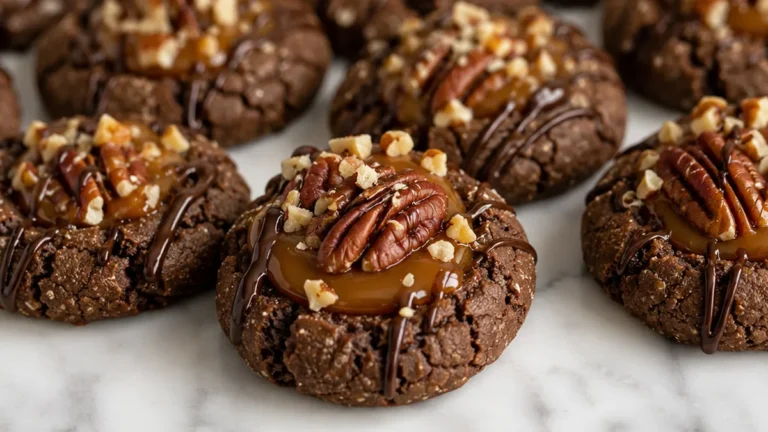
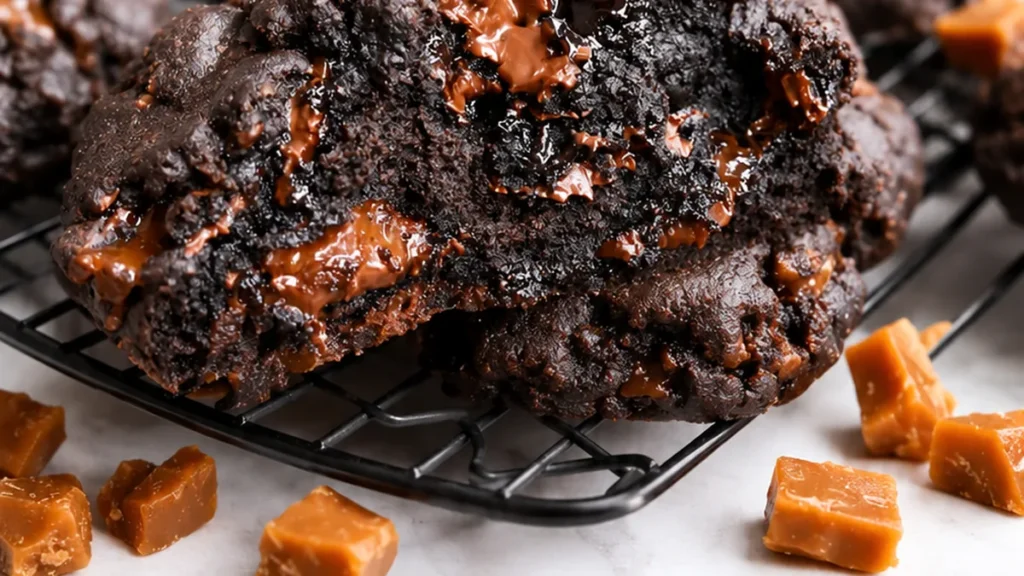
Coffee toffee cookies are a perfect blend of rich espresso and crunchy toffee bits. This recipe provides a simple method to create a satisfying treat.
Key takeaways
- Using quality coffee enhances the flavor profile.
- Monitor toffee temperature for the right texture.
- Chilling the dough prevents excessive spreading.
- Ingredient swaps can alter flavor and texture significantly.
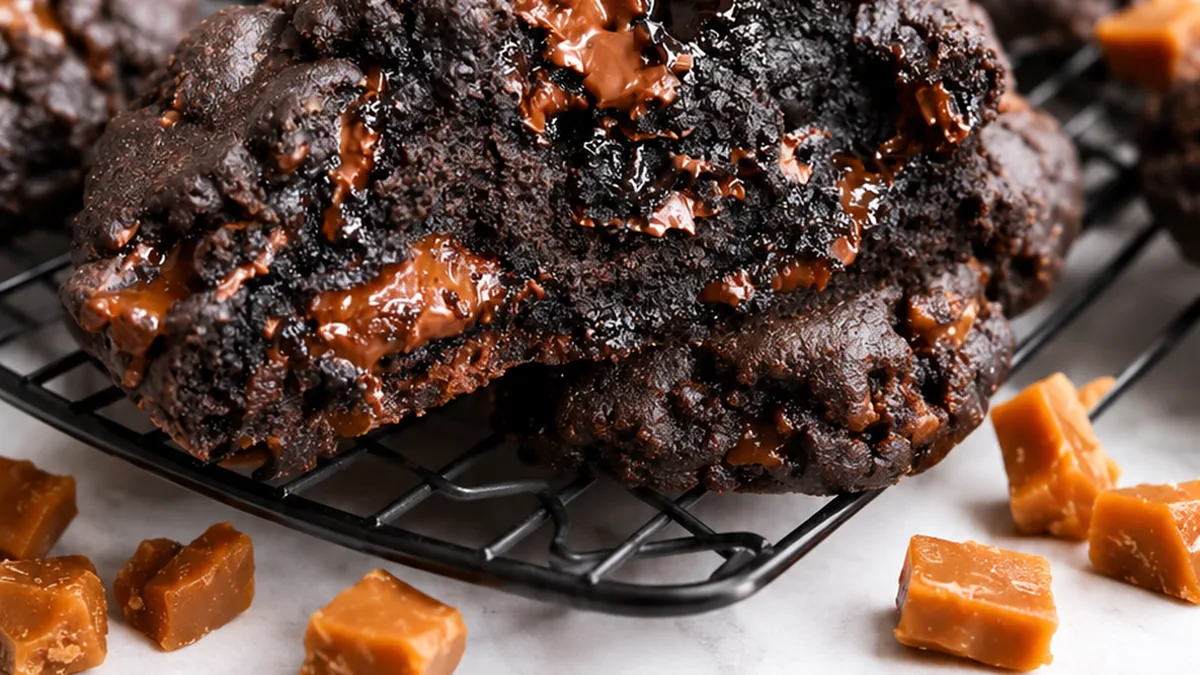
Ultimate Coffee Toffee Cookies
Ingredients
Method
- Melt semisweet and milk chocolate gently to make chocolate-covered toffee.
- Toss about 1/2 cup of homemade toffee pieces in the melted chocolate until coated.
- Spread on parchment, let harden, then chop into 1/2-inch pieces.
- Preheat oven to 375°F (190°C) and line a baking sheet with parchment paper.
- Whisk together all-purpose flour, black cocoa powder, baking powder, baking soda, and salt in a medium bowl.
- Cream together softened unsalted butter and packed light brown sugar until pale and fluffy.
- Add the flour mixture to the butter mixture and fold until just combined. Stir in the chocolate-covered toffee pieces.
- Cover the bowl and refrigerate the dough for 30 minutes before baking.
The Role of Coffee in Enhancing Flavor
Coffee not only adds a unique flavor profile to the coffee toffee cookies but also contributes to the overall aroma and taste experience. The Maillard reaction, a chemical reaction between amino acids and reducing sugars that gives browned foods their distinctive flavor, is enhanced by the coffee’s natural compounds. When using coffee in baking, it’s important to consider the coffee’s strength and flavor notes, as these will directly impact the final product. A medium roast coffee, for instance, can impart a balanced flavor, while a dark roast may add a more intense, bitter note. The ideal temperature for brewing coffee to use in baking is around 90-95°C (194-203°F), which allows for optimal extraction of flavors without bitterness.
Understanding the Importance of Toffee Texture
The texture of the toffee is crucial in achieving the right mouthfeel in coffee toffee cookies. Toffee is typically made by cooking sugar and butter to a specific temperature, usually around 150°C (302°F), where it reaches the hard crack stage. At this point, the toffee will harden as it cools, providing a satisfying crunch in the cookies. If the toffee is cooked too long, it may become overly hard and difficult to chew; if not cooked long enough, it can remain chewy and sticky. Monitoring the temperature with a candy thermometer is essential for achieving the desired texture.
Common Issues and Solutions in Baking Cookies
- Issue: Cookies spread too much during baking.
- Solution: Ensure that the butter is at the right temperature (softened but not melted) and chill the dough for at least 30 minutes before baking.
- Issue: Cookies are too dry or crumbly.
- Solution: Measure flour accurately and consider adding a bit more butter or an extra egg yolk to increase moisture.
- Issue: Cookies are too sweet.
- Solution: Reduce the amount of sugar in the recipe slightly, or balance it with a pinch of salt.
- Issue: Toffee is too hard.
- Solution: Cook the toffee to a slightly lower temperature (around 145°C or 293°F) for a softer texture.
Ingredient Swaps and Their Effects
- Swap: Use dark chocolate instead of milk chocolate for a richer flavor.
- Result: The cookies will have a more intense chocolate flavor, but may also be slightly less sweet.
- Swap: Substitute brown sugar for white sugar.
- Result: Brown sugar adds moisture and a slight caramel flavor, resulting in chewier cookies.
- Swap: Replace half of the all-purpose flour with whole wheat flour.
- Result: This will add a nutty flavor and increase the nutritional value, but may alter the texture slightly.
- Swap: Use instant coffee granules instead of brewed coffee.
- Result: This will enhance the coffee flavor without adding extra liquid, but may require adjusting the sugar to balance the bitterness.
Unique Characteristics of Coffee Toffee Cookies
What sets coffee toffee cookies apart from other cookie varieties is the combination of coffee and toffee, which creates a unique flavor profile that is both rich and complex. The interplay between the bitterness of the coffee and the sweetness of the toffee provides a balanced taste that is hard to replicate. Additionally, the texture contrast between the soft cookie and the crunchy toffee pieces creates a delightful eating experience that makes these cookies stand out.
Maximizing Flavor and Texture: The Role of Ingredient Quality
The quality of the ingredients used in coffee toffee cookies significantly impacts their flavor and texture. For instance, using high-quality coffee beans or espresso powder can enhance the coffee flavor, providing a rich and aromatic profile. Similarly, the choice of butter is crucial; unsalted, high-fat butter yields a more tender cookie. When it comes to toffee, using fresh, high-quality butter and sugar ensures a smooth, melt-in-your-mouth texture. The ratios of sugar to fat also play a role; a higher fat content can lead to a chewier cookie, while more sugar can create a crisper texture. Consider using organic or artisanal products for a noticeable difference in taste.
Scaling the Batch: Adjusting for Different Quantities
When scaling the recipe for coffee toffee cookies, it’s essential to maintain the correct ratios of ingredients to ensure consistent results. For example, if doubling the recipe, you should also double the baking time, but monitor the cookies closely, as they may bake faster than expected. Additionally, consider the size of your baking sheets; overcrowding can lead to uneven baking. For larger batches, you might need to bake in multiple rounds, allowing the dough to chill between batches to maintain its structure. This approach helps prevent the cookies from spreading too much, ensuring they retain their intended shape and texture.
Equipment Variations: Impact on Baking Results
The type of equipment used can greatly affect the outcome of coffee toffee cookies. For instance, using a stand mixer versus a hand mixer can change the mixing process; a stand mixer allows for more thorough incorporation of ingredients, which can lead to a better texture. Additionally, the choice of baking sheets matters; dark-colored sheets absorb more heat, potentially causing the cookies to brown faster. If using silicone mats or parchment paper, be aware that they can affect the spread of the cookies. Always preheat your oven properly and consider using an oven thermometer to ensure accurate baking temperatures.
Seasonal Adjustments: Adapting to Ingredient Availability
Seasonal changes can influence the quality and availability of ingredients for coffee toffee cookies. For example, during the fall, you might find fresher, more robust coffee varieties that can enhance the flavor profile. Conversely, in warmer months, humidity can affect the texture of the cookies, making them spread more. To counteract this, adjusting the flour content slightly can help maintain the desired consistency. Additionally, consider incorporating seasonal spices like cinnamon or nutmeg to give a unique twist to the traditional recipe. Always taste your ingredients beforehand, as their quality can vary significantly throughout the year.
How to Achieve the Perfect Texture in Coffee Toffee Cookies
The texture of coffee toffee cookies is critical to their success. To achieve that perfect balance between chewy and crunchy, pay attention to the baking time and temperature. Bake these cookies at 180°C (350°F) for about 10-12 minutes. The edges should be set while the centers remain slightly soft; they will continue to firm up as they cool. If the cookies are overbaked, they will become hard and lose their delightful chewiness. Additionally, consider the role of chilling the dough. Chilling for at least 30 minutes before baking helps the cookies maintain their shape and enhances their flavor, as the fats have time to solidify. This results in a thicker cookie with a better texture.
Understanding the Role of Coffee and Toffee in Flavor Development
The combination of coffee and toffee in these cookies creates a unique flavor profile that is both rich and complex. The Maillard reaction, which occurs during baking, is responsible for the browning and development of flavors. Using high-quality coffee beans will enhance the coffee flavor, while the toffee adds a sweet, buttery note. Aim for a coffee-toffee ratio of about 1:2 in your cookie dough to ensure that neither flavor overpowers the other. Additionally, incorporating finely chopped toffee pieces rather than larger chunks can help distribute the flavor more evenly throughout the cookie. Experimenting with different types of coffee, such as espresso or dark roast, can also yield different flavor nuances, making each batch unique.
Understanding the Impact of Ingredient Quality on Coffee Toffee Cookies
The quality of the ingredients used in coffee toffee cookies significantly affects their flavor and texture. For instance, using high-quality coffee beans will enhance the cookie’s coffee profile, providing a richer and more aromatic flavor. Freshly ground coffee beans are recommended over pre-ground options, as they retain more essential oils and volatile compounds that contribute to flavor. Similarly, the type of toffee used can alter the texture; a homemade toffee made with real butter and sugar will provide a more complex flavor than store-bought varieties. Additionally, using organic or high-quality flour can improve the cookie’s structure and moisture retention, leading to a chewier texture. Aim for a flour protein content of around 10-12% for optimal gluten development, which helps give the cookie its structure while still allowing for a tender bite.
Make-Ahead Strategies for Coffee Toffee Cookies
Preparing coffee toffee cookies in advance can be a time-saver, especially during busy baking seasons or for special occasions. One effective make-ahead strategy is to prepare the dough and refrigerate it. Chilling the dough for at least 30 minutes before baking not only helps to solidify the fats but also enhances the flavors as they meld together. You can also portion the dough into balls and freeze them. When ready to bake, simply transfer the frozen dough balls directly to the oven, adding a couple of extra minutes to the baking time. This method ensures you have freshly baked cookies on demand. Additionally, baked cookies can be stored in an airtight container at room temperature for up to a week, or they can be frozen for longer storage. Just be sure to layer them between parchment paper to prevent sticking.
Pro tips
Pro tip: Best served immediately while hot!
Frequently asked questions
Can I use decaffeinated coffee in this recipe?
Yes, decaffeinated coffee can be used without sacrificing flavor. Just make sure it’s a good quality brew to maintain the cookie’s taste.
How do I store leftover cookies?
Store the cookies in an airtight container at room temperature for up to a week. For longer storage, consider freezing them in a freezer-safe bag.
What can I do if my toffee is too hard?
If your toffee turns out too hard, you can try reheating it gently with a bit of butter or cream to soften it before incorporating it into the cookie dough.
Can I add nuts to the coffee toffee cookies?
Absolutely! Chopped nuts like pecans or walnuts can add extra texture and flavor. Just be sure to adjust the amount of toffee to maintain balance.
More from Chocolate Chip Cookies →