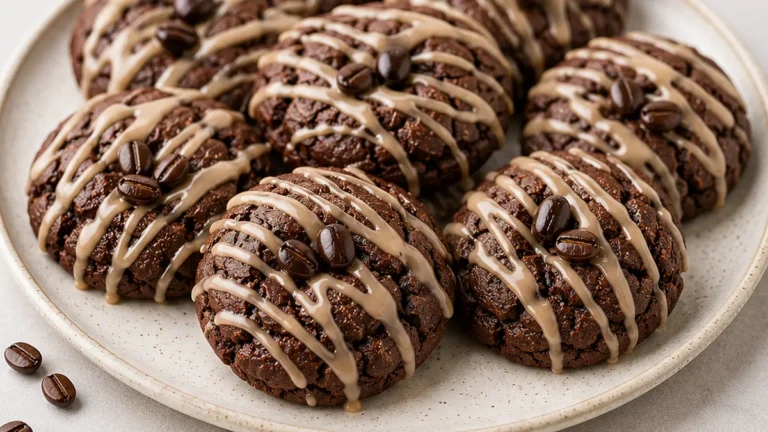
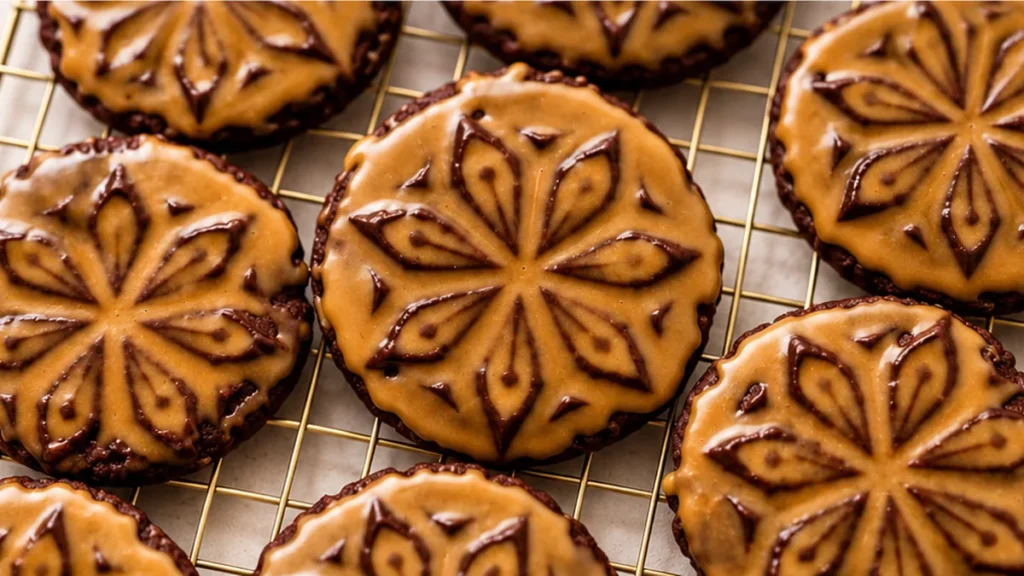
Stamped chocolate espresso cookies are a unique twist on traditional cookies. They feature a rich coffee flavor that enhances the chocolate, making them perfect for any occasion.
Key takeaways
- Espresso enhances the chocolate flavor without overpowering it.
- A balanced flour-to-fat ratio is essential for the right cookie texture.
- Chilling the dough helps maintain shape and improve stamping results.
- Using bittersweet chocolate balances sweetness and bitterness effectively.
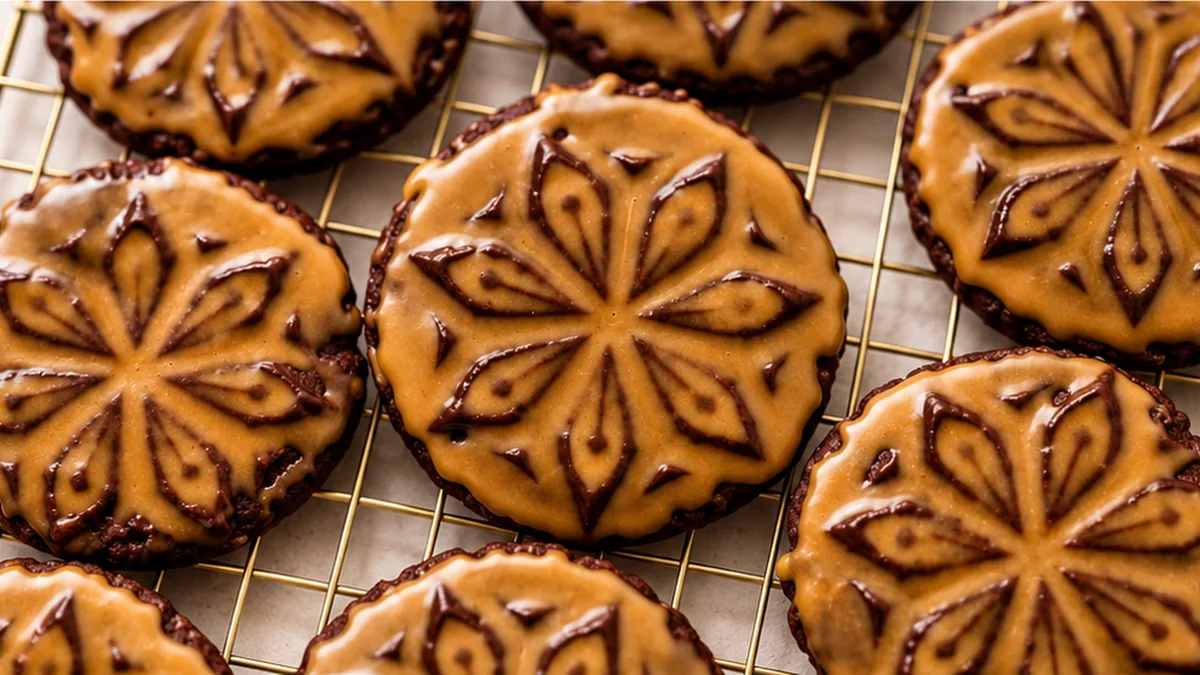
Stamped Chocolate Espresso Cookies
Ingredients
Method
- In a medium bowl, whisk together the flour, cocoa powder, espresso powder, baking powder, and salt. Set aside.
- In a large bowl using a handheld or a stand mixer fitted with a paddle attachment, beat the butter and sugar together on medium-high speed until smooth and creamy, about 3 minutes. Add the egg and vanilla and beat on medium-high speed until combined, about 1 minute. Scrape down the sides and bottom of the bowl and beat again as needed to combine.
- Add the dry ingredients to the wet ingredients and mix on low speed until combined. The dough will be soft and sticky. Cover the bowl tightly and refrigerate for at least 1 hour and up to 2 days.
- Line large baking sheets with parchment paper or silicone baking mats. Scoop a heaping Tablespoon (about 30g) of chilled cookie dough per cookie and roll into balls. Arrange dough balls 3 inches apart on the prepared baking sheets. Place the cookie stamp directly on top of each cookie dough ball, centering it as best as you can, then firmly press down until the dough extends nearly to the edges of the cookie stamp. Lift straight up. If your cookie dough is sticking to the cookie stamp, use a pastry brush to lightly brush cocoa powder on the stamp before stamping the cookie dough ball. You can then brush the excess cocoa powder off the tops of the stamped cookies, if desired.
- Chill the stamped cookies in the refrigerator for 1 hour before baking to set the shape.
- Preheat the oven to 350°F (177°C) for even baking.
- Bake the cookies for 10-12 minutes, or until the edges are set.
- Let the cookies cool on the baking sheets for 5 minutes before transferring them to a wire rack to cool completely.
Understanding the Role of Espresso in Flavor Development
The addition of espresso powder to stamped chocolate espresso cookies enhances their flavor profile significantly. Espresso contains natural oils and compounds that contribute to a rich, complex taste. When combined with chocolate, it intensifies the cocoa flavor, creating a deeper, more layered cookie. The ideal ratio is about 10-15 grams of espresso powder for every 200 grams of flour, ensuring the coffee flavor is present without overpowering the chocolate.
Preventing Common Texture Issues in Cookies
Texture is crucial in achieving the perfect stamped cookie. One of the most common problems is cookies becoming too hard or too soft. This can often be attributed to incorrect ratios of flour to fat. If your dough is too dry, it may result in a crumbly texture; conversely, too much fat can lead to overly soft cookies. A well-balanced ratio of 1 part fat to 2 parts flour is typically effective. Additionally, chilling the dough for at least 30 minutes can help maintain the shape and prevent spreading during baking.
Enhancing Presentation with Proper Stamping Techniques
Stamping cookies not only adds a decorative touch but also helps in even baking. To achieve clean impressions, ensure your stamps are lightly floured to prevent sticking. Press down firmly but evenly to create a clear design. If the dough is too sticky, consider refrigerating it for a short period. The ideal temperature for cookie dough before stamping is around 10-12°C (50-54°F). This ensures that the dough holds its shape while baking, resulting in beautifully stamped cookies.
Balancing Sweetness and Bitterness in Cookie Recipes
With the dual presence of chocolate and espresso, achieving the right balance of sweetness is essential. Using bittersweet or dark chocolate can enhance the cookie’s overall flavor without making it overly sweet. Aim for a sugar-to-flour ratio of about 1:4 to maintain a balanced taste. If you find your cookies too sweet, consider reducing the sugar by 25% or adding a pinch of salt to counteract the sweetness. This balance is crucial for the overall enjoyment of the stamped chocolate espresso cookies.
How to Properly Store Stamped Chocolate Espresso Cookies
Storing stamped chocolate espresso cookies correctly is crucial for maintaining their texture and flavor. After baking, allow the cookies to cool completely on a wire rack. Once cooled, store them in an airtight container at room temperature. This method preserves their moisture and prevents them from becoming stale. For longer storage, consider freezing the cookies. Place them in a single layer on a baking sheet, freeze until solid, then transfer to a freezer-safe container. Properly stored, they can last up to three months in the freezer. When ready to enjoy, simply thaw at room temperature.
Scaling Your Batch for Different Occasions
Scaling the batch of stamped chocolate espresso cookies is straightforward, making it easy to accommodate different gatherings. If you wish to double or halve the recipe, maintain the same ingredient ratios to ensure the flavor and texture remain consistent. For instance, if doubling, use 200 grams of flour instead of 100 grams, and so on. However, be cautious with baking time; larger batches may require slightly longer baking, while smaller batches may bake faster. Always monitor the cookies as they bake to achieve the desired doneness.
Choosing the Right Equipment for Perfect Cookies
The equipment you use can significantly impact the outcome of stamped chocolate espresso cookies. A quality baking sheet is essential; choose one that is heavy-duty to prevent warping and ensure even heat distribution. Using parchment paper or a silicone baking mat can also help prevent sticking and promote even baking. For stamping, a cookie stamp with a distinct design will enhance the visual appeal of your cookies. Additionally, an electric mixer can save time and effort when creaming butter and sugar, leading to a uniform batter.
Pairing Stamped Cookies with Beverages
Pairing stamped chocolate espresso cookies with the right beverages can elevate your dessert experience. The rich espresso flavor complements a variety of drinks. For a classic pairing, serve them with a freshly brewed cup of coffee or espresso. The bitterness of the coffee enhances the chocolate notes in the cookies. Alternatively, consider pairing with a glass of milk or a rich stout beer, which can balance the sweetness and provide a contrasting flavor profile. Experimenting with different pairings can lead to delightful discoveries.
Understanding the Impact of Ingredient Quality on Flavor
The quality of ingredients used in stamped chocolate espresso cookies can significantly affect their flavor profile. For instance, using high-quality cocoa powder can enhance the chocolate notes, while freshly ground espresso will provide a more robust coffee flavor. When selecting ingredients, consider the origin and processing of the cocoa and coffee. For example, single-origin chocolates often have more complex flavors than mass-produced options. Additionally, the freshness of your ingredients matters; stale flour or expired baking powder can lead to subpar results. Aim for ingredients with a strong flavor presence to ensure your cookies shine.
Batch Scaling: Adjusting for Different Occasions
Scaling your recipe for stamped chocolate espresso cookies can be straightforward if you maintain the right ratios. When doubling or halving the recipe, ensure that you adjust each ingredient proportionately. However, be cautious with baking time; larger batches may require a longer baking time, while smaller batches might bake faster. Always check for doneness by looking for the edges to set and the tops to be slightly firm. If you’re making cookies for a large gathering, consider making the dough ahead of time and refrigerating it. This not only saves time but also allows the flavors to meld, enhancing the final product.
Make-Ahead Strategies for Busy Bakers
For those who want to enjoy stamped chocolate espresso cookies without the last-minute rush, there are effective make-ahead strategies. The cookie dough can be prepared in advance and stored in the refrigerator for up to three days or frozen for up to a month. When ready to bake, simply slice the chilled dough or scoop from the frozen state, adjusting the baking time accordingly. Additionally, baked cookies can be stored in an airtight container at room temperature for up to a week or frozen for longer preservation. This flexibility allows you to enjoy fresh cookies at your convenience without compromising on flavor or texture.
Understanding the Effects of Ingredient Quality on Texture
The texture of stamped chocolate espresso cookies can be significantly influenced by the quality of ingredients used. For instance, using high-quality chocolate with a higher cocoa butter content can result in a richer, creamier texture. Similarly, using fresh espresso grounds can enhance the overall mouthfeel, providing a satisfying contrast to the cookie’s structure. When selecting flour, consider using a high-protein all-purpose flour to create a chewier cookie, which can help maintain the integrity of the stamped design. Additionally, the freshness of baking soda or baking powder plays a critical role in achieving the desired lift and texture. A general guideline is to ensure these leavening agents are within their expiration date; old leaveners can lead to flat cookies that lack the necessary rise.
Batch Scaling for Different Occasions
When scaling the recipe for stamped chocolate espresso cookies, it’s essential to maintain the correct ratios of ingredients to preserve the flavor and texture. For example, if doubling the batch, simply multiply each ingredient by two. However, consider that baking times may need adjustment; larger batches may require a few extra minutes in the oven, while smaller batches might bake faster. Additionally, if you are preparing cookies for a large gathering, consider using multiple trays to bake simultaneously, ensuring even heat distribution. When scaling, be mindful of the mixing process as well; over-mixing can lead to tougher cookies due to gluten development. To ensure consistency, weigh ingredients using a kitchen scale, particularly for flour and sugar, as volume measurements can be inaccurate.
Understanding the Role of Chilling Dough for Optimal Stamping
Chilling the dough before stamping is crucial for achieving the desired texture and shape in stamped chocolate espresso cookies. When the dough is chilled, the fats solidify, which helps maintain the cookie’s structure during baking. This prevents the cookies from spreading too much, ensuring that the stamped designs retain their clarity. Ideally, the dough should be chilled for at least 30 minutes, though longer chilling times of up to 2 hours can enhance the flavor as well. The optimal temperature for chilling is around 4°C (39°F), which is the standard refrigerator temperature. This process not only improves the cookie’s appearance but also enhances the overall flavor profile by allowing the ingredients to meld together more effectively.
Choosing the Right Stamping Tools for Consistent Results
The choice of stamping tools can significantly affect the outcome of your stamped chocolate espresso cookies. Using high-quality, food-safe stamps made from materials like silicone or stainless steel ensures that the design transfers well without damaging the cookie surface. It’s important to consider the depth and intricacy of the stamp; shallow designs may not hold up during baking, while deeper stamps can create a more pronounced effect. For best results, lightly flour the stamp before pressing it into the dough. This prevents sticking and ensures a clean impression. Additionally, using a consistent amount of dough for each stamp (about 15-20 grams) can help achieve uniformity in size and appearance across your cookies, making them not only delicious but visually appealing as well.
Pro tips
Pro tip: Best served immediately while hot!
Frequently asked questions
What type of espresso should I use for the cookies?
For the best flavor, use finely ground espresso powder. Instant espresso or finely ground espresso beans can both work well, providing a rich coffee flavor without the need for brewing.
Can I make these cookies ahead of time?
Yes, you can prepare the cookie dough ahead of time and refrigerate it for up to 3 days. Alternatively, you can freeze the dough for up to 3 months. Just thaw it in the refrigerator before baking.
How do I prevent my cookies from spreading too much?
To prevent excessive spreading, ensure your dough is adequately chilled before baking. Additionally, using a higher flour-to-fat ratio can help maintain the cookie’s shape during baking.
Is there a substitute for espresso powder?
If you don’t have espresso powder, you can substitute it with an equal amount of finely ground coffee. Keep in mind that the flavor may be slightly different, so adjust according to your taste preferences.
More from Chocolate Chip Cookies →