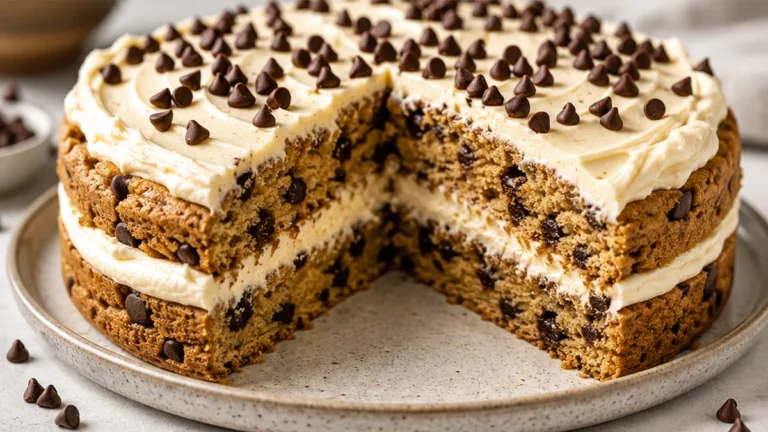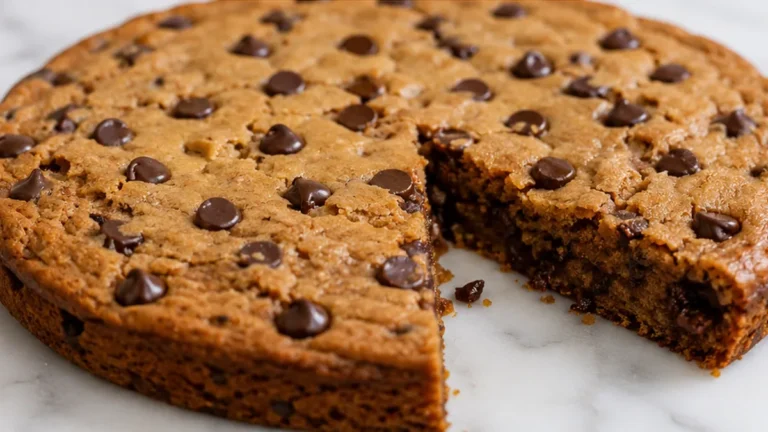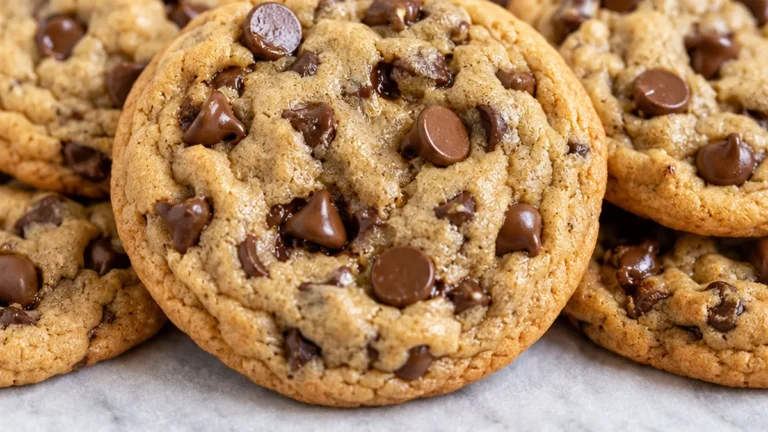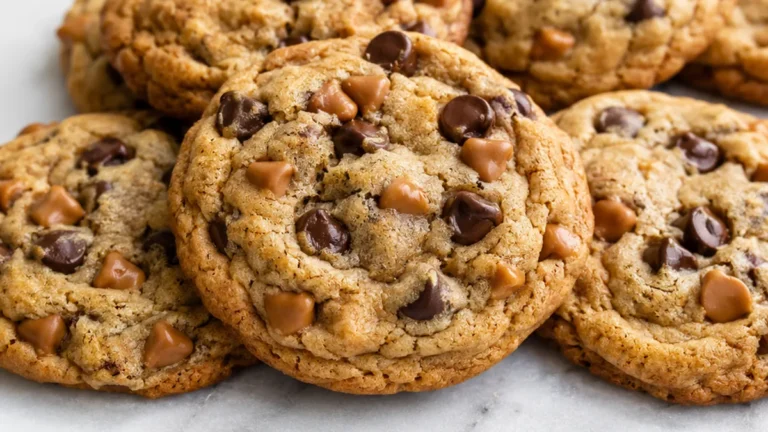
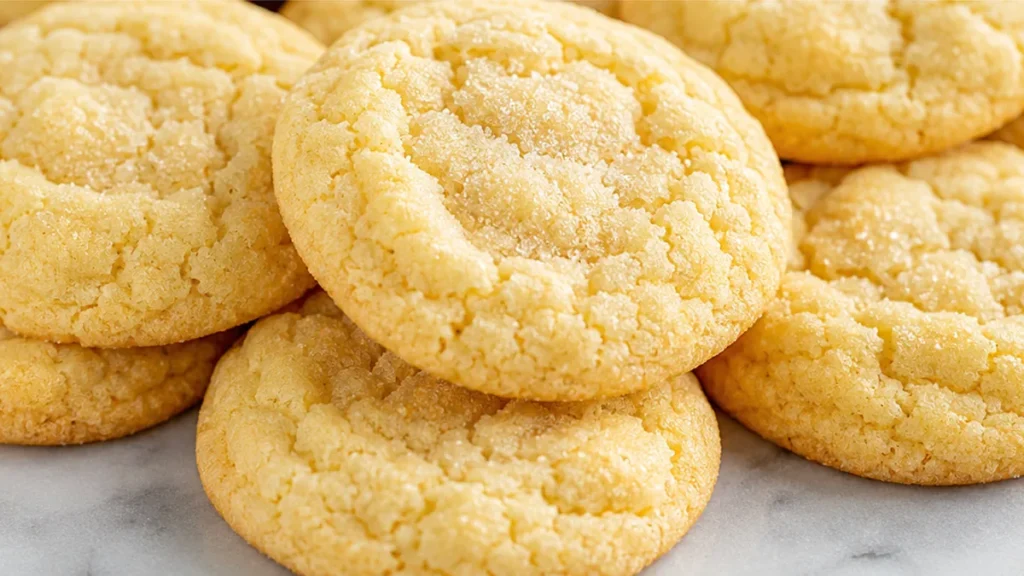
Pudding cookies are a delightful twist on classic cookies that bring an irresistible softness and rich flavor. The secret ingredient? An instant vanilla pudding mix that improves the texture to chewy perfection. Ideal for any occasion, these cookies are worth making your family and friends. With a perfect balance of sweetness and chocolatey goodness, pudding cookies can be made quickly and stored easily. Get ready to have a batch of these cookies ready in no time!
Key takeaways
- Pudding mix enhances moisture and chewiness in cookies.
- Chill the dough to prevent excessive spreading.
- Accurate flour measurement is crucial for texture.
- Using a mix of sugars adds depth to the flavor profile.
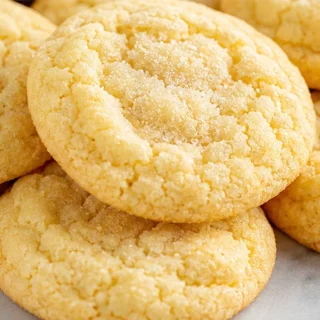
Irresistible Pudding Cookies That Melt in Your Mouth!
Ingredients
- 1 cup unsalted butter, softened
- ½ cup packed light brown sugar
- ¼ cup granulated sugar
- 2 large eggs
- 1 teaspoon vanilla extract
- 1 (3.4oz) box instant vanilla pudding mix
- 2 ⅓ cup all-purpose flour
- 1 teaspoon baking soda
- ½ teaspoon salt
- 2 cups semisweet chocolate chips
Instructions
- Preheat the oven to 350°F. Line large baking sheets with parchment paper.
- In a large mixing bowl or the bowl of a stand mixer fitted with the paddle attachment, beat the butter, sugars, and vanilla together on medium speed until light and fluffy, about 3 minutes.
- Beat in the eggs one at a time, stopping to scrape down the bowl between each egg, until well incorporated and fluffy.
- Add the pudding mix, flour, baking soda, and salt. Beat on low speed until combined. Scrape down the bowl. Add the chocolate chips and stir in by hand until evenly distributed. Using a 2-tablespoon scoop, scoop the cookie dough and place on the lined baking sheet 2 inches apart.
- Bake one sheet at a time for 10 to 12 minutes or until the edges are lightly golden but the tops are still a little shiny. Let cool for a few minutes on the pan, then transfer to a wire rack and cool completely. Store the cookies in an airtight container for up to 1 week.
Video
Notes
Understanding the Role of Pudding Mix in Cookies
The inclusion of instant vanilla pudding mix in pudding cookies is a game changer. It enhances moisture retention and creates a soft, chewy texture that is characteristic of these cookies. The pudding mix contains starches that absorb liquid, resulting in a dough that remains tender even after baking. This is crucial for achieving that melt-in-your-mouth quality.
Why Your Cookies Might Spread Too Much
If your pudding cookies spread excessively during baking, it could be due to several factors:
- Butter Temperature: If the butter is too soft, the cookies will spread. Aim for a softened butter that still holds its shape, ideally around 65°F (18°C).
- Flour Measurement: Using too little flour can lead to spreading. Ensure you measure flour accurately, ideally using the spoon-and-level method to avoid compacting.
- Oven Temperature: An oven that is too hot can cause the cookies to spread before they have time to set. Use an oven thermometer to confirm the temperature is at 350°F (175°C).
Swaps and Their Effects on Texture and Flavor
Making substitutions in this recipe can alter the final product significantly:
- Butter for Margarine: Using margarine can lead to a firmer cookie due to its higher water content.
- Granulated Sugar for Brown Sugar: Substituting all granulated sugar will yield a crisper cookie, as brown sugar contributes moisture and chewiness.
- Chocolate Chips for White Chocolate: This swap will change the flavor profile entirely, providing a sweeter and creamier taste, but may alter the balance of sweetness in the cookie.
How to Achieve the Perfect Cookie Texture
The ideal pudding cookie should be soft and chewy. Here are some key factors:
- Chilling the Dough: Refrigerating the dough for at least 30 minutes before baking helps control spread and enhances flavor development.
- Baking Time: Bake cookies for 10-12 minutes until the edges are lightly golden but the centers are still soft. They will continue to cook on the baking sheet after removal.
- Resting Time: Allow cookies to rest on the baking sheet for 5 minutes before transferring to a wire rack. This helps set their shape and texture.
Unique Characteristics of Pudding Cookies
Pudding cookies stand out from traditional cookies due to their unique texture and moisture level. The use of pudding mix not only enhances flavor but also contributes to a softer crumb and a longer shelf life, making them a favorite for cookie enthusiasts. This recipe’s combination of both brown and granulated sugars adds depth and complexity to the sweetness, which is less common in standard cookie recipes.
How to Store Pudding Cookies for Maximum Freshness
To maintain the irresistible texture of pudding cookies, proper storage is essential. Once cooled, place the cookies in an airtight container at room temperature. They can stay fresh for up to a week. For longer storage, consider freezing them. Flash freeze the cookies on a baking sheet for about 30 minutes, then transfer them to a freezer-safe bag. They can be stored for up to three months. When ready to enjoy, thaw them at room temperature or microwave for a few seconds to regain that fresh-baked feel.
Scaling the Recipe for Larger Gatherings
Scaling the pudding cookie recipe is straightforward, but precision is key. For every additional batch, maintain the same ingredient ratios. For instance, if doubling the recipe, use 2 cups of butter, 1 cup of brown sugar, and so on. However, keep in mind that baking time may vary slightly with larger batches. Monitor the cookies closely, as they may require an additional 1-2 minutes in the oven. Uniformity in cookie size will help ensure even baking.
Choosing the Right Equipment for Pudding Cookies
The equipment you use can impact the final outcome of your pudding cookies. A stand mixer is ideal for creaming butter and sugars, as it ensures a light and fluffy texture. If using a hand mixer, be prepared for a bit more work. Additionally, using parchment paper on your baking sheets can prevent sticking and promote even baking. For best results, invest in a cookie scoop for uniform size, which helps in achieving consistent baking times.
Seasonal Ingredient Quality and Its Impact on Flavor
Ingredient quality can significantly affect the taste of your pudding cookies. During different seasons, the freshness of eggs, butter, and even chocolate chips can vary. For instance, using farm-fresh eggs in spring can enhance the flavor profile. Similarly, high-quality chocolate chips, especially during the fall when premium brands release seasonal flavors, can elevate your cookies. Always taste your ingredients before baking to ensure they meet your quality standards, as this will directly influence the final product.
Understanding the Make-Ahead and Storage Characteristics of Pudding Cookies
Pudding cookies are known for their soft, chewy texture, which can be maintained even after a few days. To make these cookies ahead of time, prepare the dough and refrigerate it for up to 72 hours before baking. Chilling the dough helps to develop flavor and enhances the texture. When storing baked cookies, place them in an airtight container at room temperature for up to one week. For longer storage, freeze the cookies in a single layer, then transfer them to a freezer-safe bag. When ready to enjoy, thaw at room temperature or reheat briefly in the oven at 350°F (175°C) for 5-10 minutes to restore their fresh-baked quality.
How to Scale Your Pudding Cookies Recipe for Larger Gatherings
Scaling up your pudding cookies recipe is straightforward, but attention to detail is crucial. For each additional batch, maintain the same ratios of ingredients. For example, if you double the recipe, use 2 cups of butter, 1 cup of brown sugar, and so forth. It’s advisable to mix in batches if you have a smaller mixer, as overloading can lead to uneven mixing. Additionally, consider baking in multiple trays simultaneously, but rotate them halfway through to ensure even baking. Keep an eye on baking time, as larger batches may require an extra minute or two in the oven.
Choosing the Right Equipment for Optimal Results with Pudding Cookies
The right equipment can significantly impact the outcome of your pudding cookies. A stand mixer is ideal for creaming butter and sugars, as it provides consistent mixing without overworking the dough. If using a hand mixer, ensure to mix at medium speed to avoid incorporating too much air, which can lead to a cakey texture. Use a cookie scoop for uniform sizing, which promotes even baking. Additionally, parchment paper or silicone baking mats can help prevent sticking and ensure easy removal from the baking sheet. Remember to preheat your oven accurately, as an underheated oven can result in cookies that spread too much.
How to Adjust Pudding Cookie Recipes for Different Batch Sizes
Scaling your pudding cookie recipe can be straightforward, but precise measurements are crucial for maintaining texture and flavor. For every additional 1 cup of flour, increase the butter by 0.5 cup and the sugars by 0.25 cup each. If you double the recipe, consider using 4 large eggs instead of 3, which helps maintain moisture without making the cookies too dense. Always keep the ratio of dry to wet ingredients balanced (approximately 2:1 for flour to butter) to prevent spreading.
Why the Type of Butter Impacts Your Pudding Cookies
The choice between salted and unsalted butter significantly affects the flavor profile and texture of your pudding cookies. Unsalted butter allows you to control the salt content in your recipe, ensuring a balanced sweetness. Salted butter can lead to a more savory flavor and may require adjustments in the added salt. Additionally, using European-style butter, which has a higher fat content (around 82% vs. 80% for regular), can yield a richer taste and a softer texture. Remember, the temperature of the butter matters too; using softened butter (around 65°F or 18°C) ensures proper creaming with sugars, creating a light and airy dough.
Pro tips
- Chill the cookie dough for 30 minutes before baking for a firmer texture.
- Mix in different types of chocolate chips for added flavor variety.
- Store cookies in an airtight container to maintain freshness for up to a week.
Try these pudding cookies today and experience the perfect blend of softness and flavor. Share your creations with friends and enjoy!
Frequently asked questions
Can I use different flavors of pudding mix?
Yes, you can experiment with different flavors of pudding mix, such as chocolate or butterscotch, to create a unique flavor profile. Just keep in mind that it may alter the overall taste of the cookies.
How can I make my cookies less sweet?
To reduce sweetness, you can decrease the amount of granulated sugar used or substitute some of the brown sugar with unsweetened cocoa powder. This will balance the sweetness while still maintaining a good texture.
What should I do if my cookies are too dry?
If your cookies turn out dry, it may be due to overbaking or too much flour. To fix this in the future, ensure accurate measurements and check for doneness a minute or two earlier than the suggested baking time.
How do I store leftover pudding cookies?
Store leftover pudding cookies in an airtight container at room temperature for up to a week. For longer storage, you can freeze them for up to three months. Just ensure they are well-wrapped to prevent freezer burn.
More from Chocolate Chip Cookies →