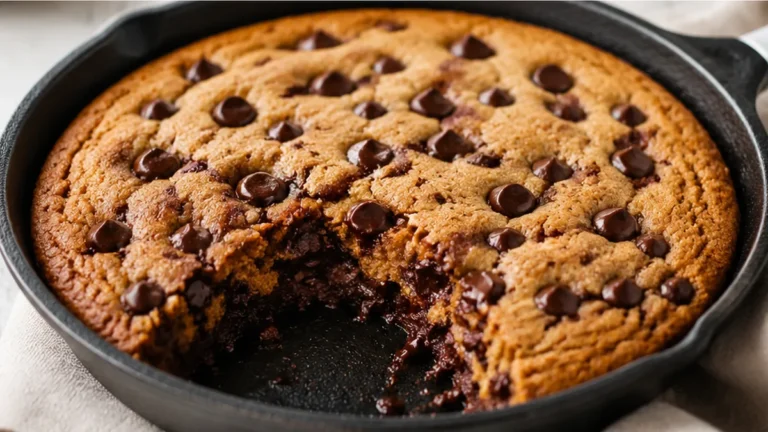
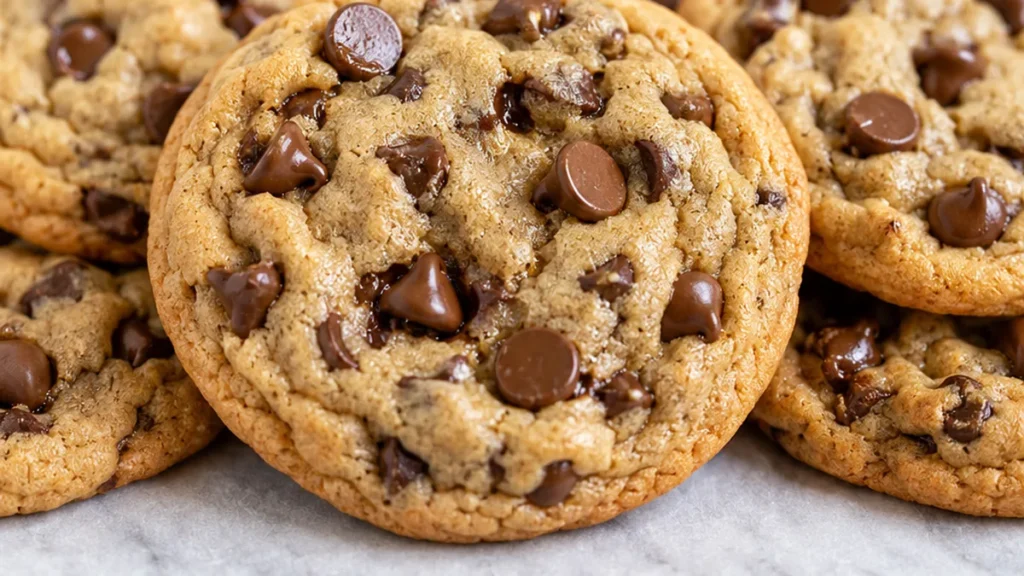
Chocolate chip cookies are a timeless classic, and this recipe for bakery–style chocolate chip cookies will improve your home baking game. Forget thin, crispy cookies; we’re aiming for thick, chewy, and wonderfully gooey centers with perfectly golden edges. This recipe is designed to help you achieve that professional-bakery quality right in your own kitchen, bringing joy with every bite. Crafting the perfect chocolate chip cookie involves a few key steps that ensure a rich flavor and a superior texture. Bakery-style chewiness depends heavily on butter temperature and dough chilling; without them, the cookies often bake flat. This detailed guide will walk you through each stage, promising a truly satisfying chocolate chip cookie experience for everyone.
Key takeaways
- The temperature of your butter is critical for cookie texture.
- Creaming butter and sugars properly incorporates air for lift.
- Accurate flour measurement and avoiding overmixing prevent toughness.
- Chilling the dough controls spread and enhances flavor.
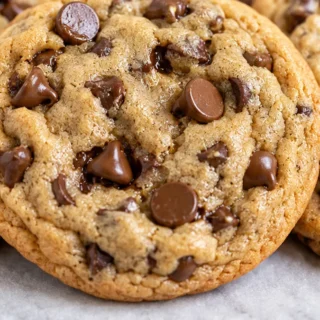
Bakery Style Chocolate Chip Cookies
Ingredients
- 3 cups (380 grams) all-purpose flour
- 1 teaspoon baking soda
- 1 teaspoon fine sea salt
- 2 sticks (227 grams) unsalted butter, (at cool room temperature (67°F))
- 1/2 cup (100 grams) granulated sugar
- 1 1/4 cups (247 grams) lightly packed light brown sugar
- 2 teaspoons vanilla extract
- 2 large eggs, (at room temperature)
- 2 cups (340 grams) semisweet chocolate chips
Instructions
- Preheat oven to 350ºF. Line baking sheets with parchment paper.
- In a medium bowl, combine the all-purpose flour, baking soda, and fine sea salt.
- In the bowl of an electric mixer, beat the unsalted butter, granulated sugar, and light brown sugar until creamy, about 2 minutes.
- Scrape down the sides and bottom of the mixing bowl. Add the vanilla extract and large eggs and beat until combined.
- Gradually beat in the flour mixture. Stir in the semisweet chocolate chips.
- Divide the dough into 3-tablespoon sized balls using a large cookie scoop and drop onto prepared baking sheets.
- If time permits, refrigerate dough scoops in an airtight container for at least 24 hours but no more than 72 hours for enhanced flavor and texture. Bake directly from the fridge.
- Bake for 11-13 minutes, or until golden brown. Cool for 5 minutes before removing to wire racks to cool completely.
Notes
The Science Behind Bakery-Style Chocolate Chip Cookies
Achieving that perfect bakery-style chocolate chip cookie hinges on a few key techniques, primarily revolving around the butter and sugar. The recipe calls for unsalted butter at a ‘cool room temperature’ (around 67°F or 19°C). This is crucial. Butter that is too warm will melt too quickly during baking, leading to flatter, greasier cookies. Cool butter creams effectively with the sugars, incorporating air that provides lift and a tender crumb. The combination of granulated and light brown sugar is also vital. Granulated sugar contributes to crisp edges, while the higher moisture content and molasses in brown sugar promote chewiness and a richer flavor. Creaming these sugars with the cool butter until light and fluffy is where much of the cookie’s structure and texture are developed. The eggs, also at room temperature, emulsify the batter, binding the ingredients and adding richness. Overmixing after adding the flour can develop gluten too much, resulting in tough cookies. Mix just until the flour streaks disappear to maintain a tender texture.
- Cookies are too flat and greasy: This usually indicates the butter was too warm when creamed or melted during baking. Ensure butter is cool to the touch but still pliable. Chill the dough for at least 30 minutes before baking to firm up the fat.
- Cookies are too cakey or dry: This can be caused by overmixing the flour, leading to excessive gluten development, or too much flour. Measure flour accurately by weight or spoon it into the cup and level off. Mix the dough only until just combined.
- Cookies spread too much but aren’t flat: Insufficient chilling time or using butter that’s too soft can cause this. Chilling the dough is essential for the fat to solidify, controlling spread. Ensure your oven temperature is accurate; an oven that’s too cool can also contribute to excessive spreading.
- Cookies are hard and dense: This often results from overmixing, overbaking, or using too much flour. Be gentle when incorporating dry ingredients and remove cookies when the edges are set but the centers still look slightly underbaked.
- All-purpose flour: For a chewier cookie, you can substitute up to half of the all-purpose flour with bread flour, which has a higher protein content. For a gluten-free option, use a good quality 1:1 gluten-free baking blend, though the texture may vary slightly.
- Semisweet chocolate chips: Dark chocolate chips (60-70% cacao) will provide a more intense chocolate flavor. Milk chocolate chips will yield a sweeter cookie with a creamier melt. Chopped chocolate bars can also be used for irregular melt pools.
- Granulated sugar: While it affects crispness, you can substitute with an equal amount of organic cane sugar for a slightly different flavor profile. Avoid powdered sugar as it contains cornstarch and will alter the texture significantly.
- Unsalted butter: Salted butter can be used, but reduce the added salt in the recipe by about 1/4 teaspoon per stick of butter used. Ensure the salted butter is also at the correct cool room temperature.
Pro tips
- Don’t overmix the flour: Once the flour is added, mix just until combined to avoid developing too much gluten, which can lead to tough cookies.
- Chill the dough: For that signature thick, chewy texture and enhanced flavor, chill the dough for at least 24 hours. Skipping this step gives a flatter, less flavorful cookie.
- Proper storage: Store baked cookies in an airtight container at room temperature for up to 3 days. Unbaked dough can be frozen for up to 3 months; simply bake from frozen, adding a couple of minutes to the bake time.
- Doneness signal: Look for golden brown edges with a slightly pale center. They will continue to set as they cool, so don’t overbake.
Master the art of bakery-style chocolate chip cookies and impress everyone with your baking prowess. Share your creations and enjoy the ultimate homemade treat!
More from Chocolate Chip Cookies →
Frequently asked questions
Why is cool room temperature butter important?
Using butter at around 67°F (19°C) allows it to cream effectively with sugar, incorporating air for leavening and a tender crumb. Butter that is too warm will melt too quickly, leading to flatter, greasier cookies with less structure.
How do I prevent my chocolate chip cookies from spreading too much?
Chilling the dough for at least 30 minutes before baking is the most effective method. This firms up the fat, controlling its melt rate during baking. Ensure your oven temperature is accurate, as an oven that’s too cool can also cause excessive spreading.
What’s the difference between using granulated and brown sugar?
Granulated sugar contributes to the crispness and spread of the cookie. Brown sugar, with its molasses content, adds moisture, chewiness, and a deeper caramel flavor. The combination creates a balanced texture and taste.
Can I use different types of chocolate chips?
Yes, you can substitute semisweet with dark, milk, or even white chocolate chips. You can also use chopped chocolate bars. Different chocolate types will alter the sweetness and intensity of the chocolate flavor in the final cookie.