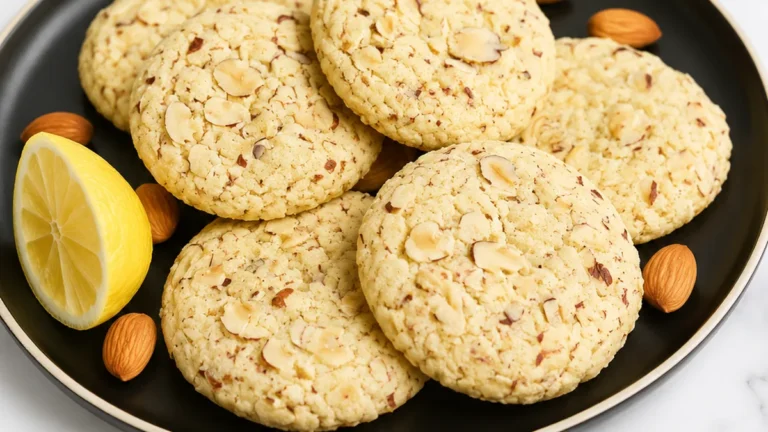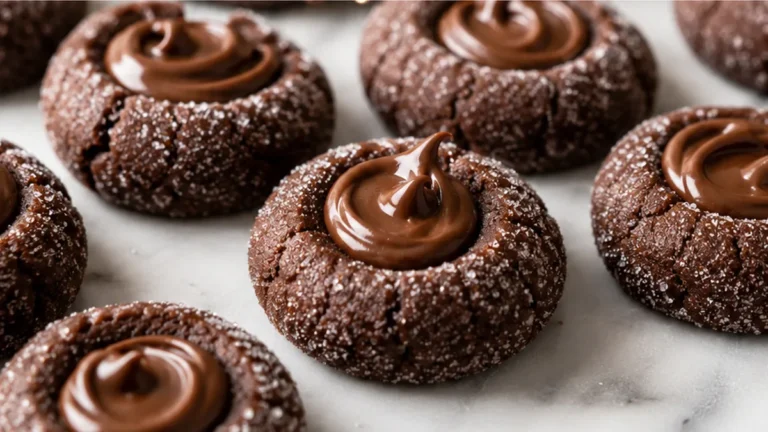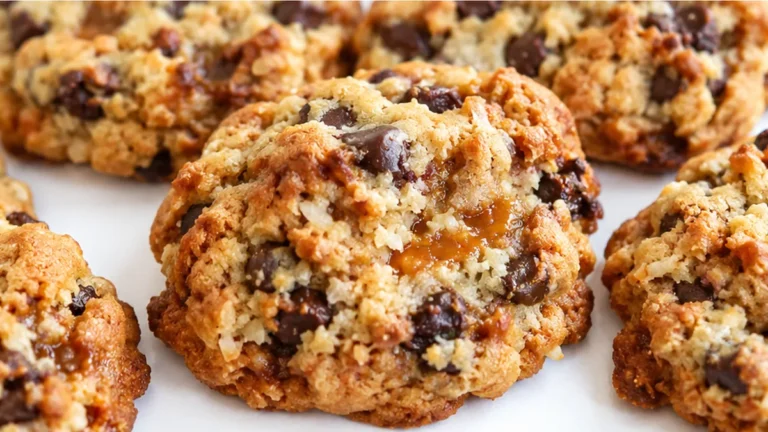
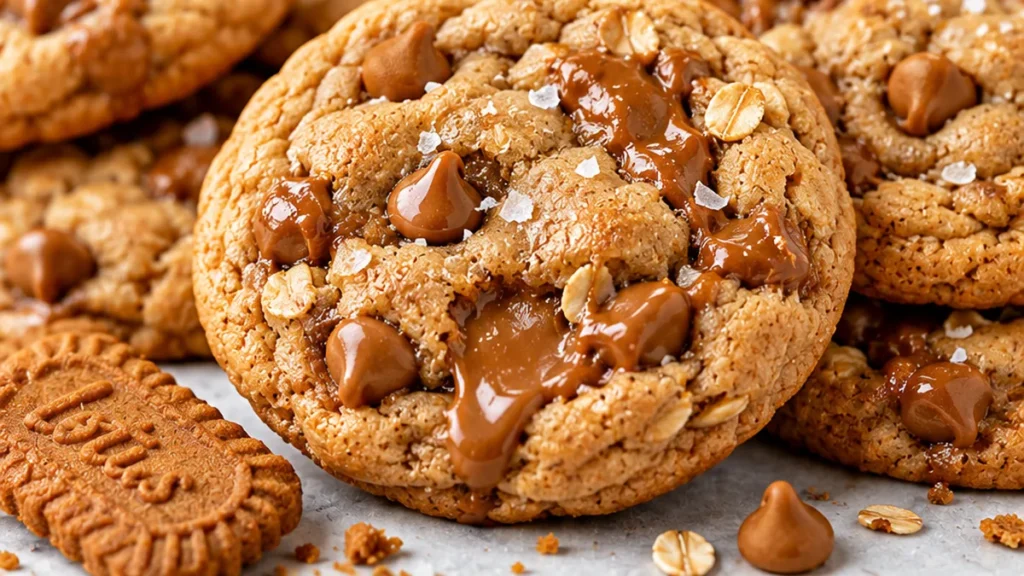
These biscoff cookies are an ultimate delight, combining the nutty depth of browned butter with the spiced sweetness of Biscoff spread and classic chocolate chips. This recipe delivers a chewy, flavorful cookie that stands out from the rest. It’s designed for home bakers looking for a simple yet sophisticated treat to impress. Crafting these biscoff cookies involves a few simple steps, resulting in a batch of cookies that are perfect for any occasion, from a casual snack to a festive gathering. The unique flavor profile makes these biscoff cookies an instant favorite, ensuring they disappear quickly.
Key takeaways
- Browning the butter develops a deep, nutty flavor essential for these cookies.
- The Biscoff spread contributes both signature flavor and chewy texture.
- Accurate flour measurement and proper butter cooling are key to preventing flat or dry cookies.
- Chilling the dough can significantly improve cookie texture and prevent over-spreading.
Chewy Biscoff Brown Butter Cookies: Pure Bliss!
Ingredients
- 10 tablespoons unsalted butter, cubed
- 1 cup packed light brown sugar
- 1/4 cup granulated sugar
- 1/2 cup Biscoff spread (also called Cookie Butter)
- 1 large egg
- 1 cup all-purpose flour
- 1/2 teaspoon baking powder
- 1/2 teaspoon baking soda
- 1/4 teaspoon fine sea salt
- 3/4 cup old fashioned rolled oats
Instructions
- In a medium saucepan, melt the cubed unsalted butter over medium heat. Continue cooking, swirling occasionally, until it foams and froths. The butter will sputter and crackle. Cook until it becomes fragrant with amber brown bits forming at the bottom of the pan. Immediately remove from heat and pour into a small heatproof bowl. Let cool until just warm, about 20 minutes.
- Preheat your oven to 350°F (175°C). Line large baking sheets with nonstick baking mats or parchment paper.
- In a small bowl, whisk together the all-purpose flour, baking powder, baking soda, fine sea salt, and old fashioned rolled oats.
- In the bowl of an electric mixer, beat the light brown sugar, granulated sugar, and the cooled browned butter until very well combined, about 3 minutes. Beat in the Biscoff spread. Add the large egg and beat until just combined. On low speed, gradually add the dry flour mixture and beat until just combined. Stir in your favorite chocolate chips.
- Drop 3-tablespoon sized balls of dough onto the prepared baking sheets, spacing them apart. Bake for 10 to 12 minutes, or until the edges are golden brown. Let cool on a wire rack before devouring.
Notes
The Technique That Makes It: Brown Butter and Biscoff Magic
The secret to these incredibly flavorful and chewy biscoff cookies lies in two key techniques: browning the butter and incorporating the Biscoff spread. Browning the butter, also known as beurre noisette, involves gently heating the unsalted butter until the milk solids toast and turn a nutty brown color. This process develops a rich, complex flavor profile that improves the cookie beyond a standard butter cookie. It’s crucial to watch the butter closely as it can go from perfectly browned to burnt very quickly. The nutty aroma is your best indicator. Once browned, it’s essential to cool it slightly before proceeding to prevent cooking the egg. The Biscoff spread, a smooth, spiced cookie butter, adds its signature cinnamon-pecan flavor and also contributes to the chewy texture. Its emulsified nature helps bind the dough and adds moisture, preventing the cookies from becoming dry or crumbly. The combination of browned butter’s depth and Biscoff’s distinct spice creates a truly unique and irresistible cookie.
Troubleshooting Your Biscoff Cookies
- Problem: Cookies are spreading too much and are flat.
Fix: Ensure your butter was properly cooled after browning. If the butter is too hot when mixed with sugar and egg, it can liquefy the dough prematurely, leading to excessive spread. Also, chilling the dough for at least 30 minutes before baking can help firm up the fats and prevent over-spreading. - Problem: Cookies are too dry and crumbly.
Fix: This can happen if the butter wasn’t fully melted or if too much flour was used. Measure flour accurately by spooning it into the cup and leveling, rather than scooping directly from the bag. Ensure all ingredients are thoroughly combined, especially the Biscoff spread, to maintain proper moisture balance. - Problem: Cookies lack Biscoff flavor.
Fix: Double-check that you are using genuine Biscoff spread (or a high-quality cookie butter alternative). Ensure the spread is incorporated thoroughly into the wet ingredients. The flavor is concentrated in the spread, so its presence and distribution are key. - Problem: Cookies are burnt on the bottom but undercooked in the center.
Fix: This often indicates the oven temperature is too high or the baking sheet is too close to the bottom heating element. Try lowering the oven temperature by 25°F (15°C) and consider placing a layer of parchment paper under your baking sheet, or moving the rack to the middle position.
Substitutions for Biscoff Cookies
- Biscoff Spread: If Biscoff spread is unavailable, you can substitute it with another smooth cookie butter or a smooth peanut butter. However, the distinct spiced cookie flavor will be altered. Peanut butter will yield a more peanut-forward cookie, while other cookie butters might have different spice profiles.
- Rolled Oats: Quick-cooking oats can be used instead of old-fashioned rolled oats. The texture of the final cookie will be slightly less chewy and the oat pieces will be smaller, resulting in a more uniform crumb.
- Brown Sugar: While light brown sugar provides moisture and chewiness, dark brown sugar can be used. This will result in a slightly richer, more molasses-forward flavor and potentially a chewier cookie due to the higher molasses content.
- All-Purpose Flour: For a slightly different texture, you could experiment with a blend of all-purpose flour and a small amount of almond flour (e.g., 3/4 cup AP flour + 1/4 cup almond flour). This might add a subtle nutty flavor and a slightly denser crumb.
Pro tips
- Browning the butter: The key to the deep, nutty flavor is to brown the butter slowly until the milk solids turn amber. Rushing this step leaves the cookies without that signature depth, so take your time until you see those beautiful brown bits.
- Don’t overmix: Once you add the flour mixture, mix just until combined. Overmixing develops the gluten, leading to tougher cookies. A gentle hand will ensure a tender, chewy texture.
- Storage and freshness: Store these cookies in an airtight container at room temperature for up to 5 days. For longer storage, freeze the baked cookies for up to 3 months; thaw at room temperature or gently reheat.
This recipe for Biscoff Browned Butter Oatmeal Chocolate Chip Cookies is truly a real upgrade. Enjoy the unique blend of flavors and textures, and don’t hesitate to share your delicious creations!
More from Oatmeal Cookies →
Frequently asked questions
What is brown butter and why is it important for these cookies?
Brown butter, or beurre noisette, is butter that has been heated until the milk solids toast, creating a nutty aroma and rich, complex flavor. This technique significantly enhances the depth of flavor in the biscoff cookies, making them more sophisticated than standard butter cookies.
Can I skip browning the butter?
While you can skip browning the butter, the cookies will lack the signature nutty depth and complexity. Using regular melted or softened butter will result in a good cookie, but it won’t achieve the same elevated flavor profile that makes these biscoff cookies exceptional.
How do I prevent my biscoff cookies from spreading too much?
To prevent excessive spreading, ensure your browned butter has cooled slightly before mixing. Chilling the dough for at least 30 minutes before baking is also highly recommended. This firms up the fats, leading to thicker, chewier cookies with less spread.
What can I substitute for Biscoff spread if I can’t find it?
If Biscoff spread is unavailable, you can use another smooth cookie butter or a smooth peanut butter. Be aware that this will alter the distinct spiced cookie flavor. Other cookie butters may offer a different spice profile, and peanut butter will result in a peanut-forward cookie.