
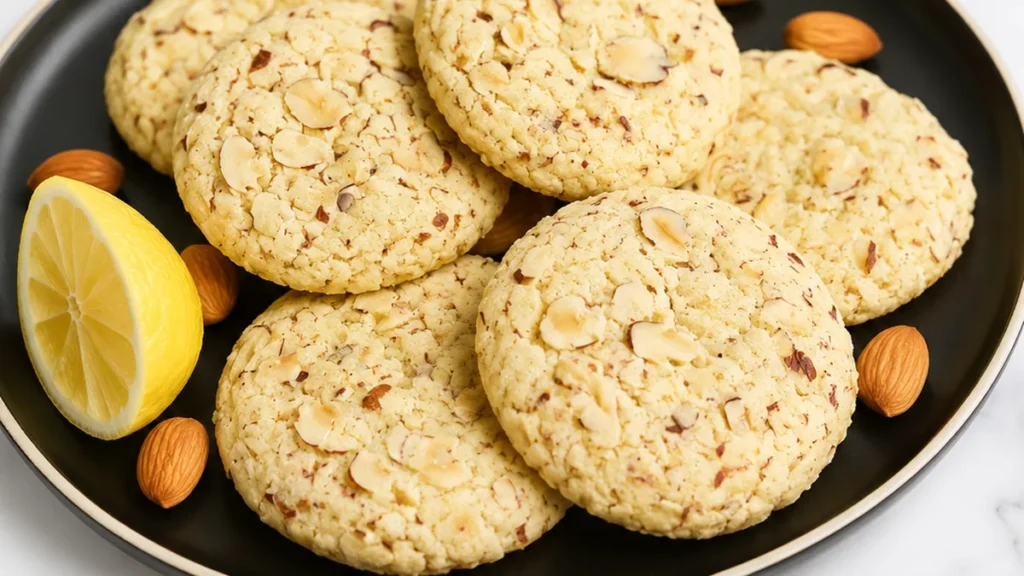
Lemon almond cookies are a refreshing twist on traditional cookies. This recipe combines the bright flavor of lemon with the richness of almonds.
Key takeaways
- Use a balance of almond flour and all-purpose flour for desired texture.
- Chill the dough to prevent excessive spreading during baking.
- Experiment with ingredient swaps for unique flavor profiles.
- Lemon almond cookies offer a gluten-free option with a moist and tender crumb.
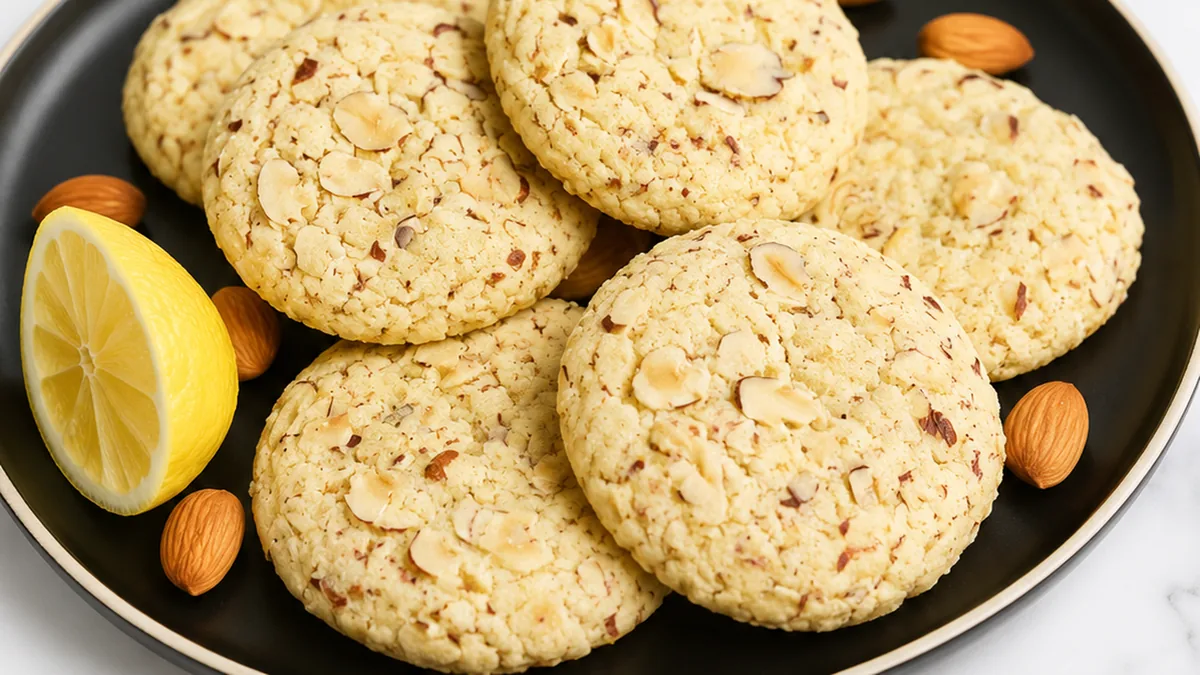
Lemon Almond Cookies
Ingredients
Method
- Combine butter, sugar, and lemon zest in a large bowl and beat until pale and fluffy.
- Add the egg and mix until well incorporated, then mix in egg yolk, vanilla extract, and almond extract, followed by lemon juice.
- Combine flour and baking powder in a medium bowl and whisk to blend evenly, then fold into the butter mixture gently.
- Cover the bowl and refrigerate the dough for 1 hour.
- Preheat oven to 350°F (175°C) and line two large cookie sheets with parchment paper.
- Use a 1-oz cookie scoop to portion balls of dough, rolling each in chopped sliced almonds if desired.
- Bake for 9-11 minutes until puffed and cracked on top, and still soft in the middle.
Understanding the Role of Ingredients in Lemon Almond Cookies
The balance of ingredients is crucial in achieving the desired texture and flavor of lemon almond cookies. Almond flour, which is a key ingredient, provides a moist and tender crumb, while the lemon zest adds brightness and acidity. The ratio of almond flour to all-purpose flour can impact the final texture; typically, a 1:1 ratio yields a denser cookie, while a higher proportion of all-purpose flour will create a lighter texture. Additionally, the use of butter versus oil can alter the richness and spread of the cookies, with butter providing a firmer structure and richer flavor.
Common Issues and Solutions When Baking Lemon Almond Cookies
When baking lemon almond cookies, several common issues can arise. For instance, if your cookies spread too much, it may be due to the dough being too warm or not enough flour being used. To remedy this, chill the dough for at least 30 minutes before baking. Conversely, if the cookies are too dry, consider reducing the baking time or adding a touch more butter. Another potential problem is the cookies being too crumbly; this can often be fixed by ensuring that the wet ingredients are well incorporated and that the dough is not overmixed.
Ingredient Swaps and Their Effects on Lemon Almond Cookies
Experimenting with ingredient swaps can lead to interesting variations in lemon almond cookies. For instance, substituting coconut oil for butter will impart a subtle coconut flavor and a softer texture, but may result in a less structured cookie. Using honey or maple syrup instead of granulated sugar can add moisture and a different sweetness profile, but may require adjustments in baking time due to the added liquid content. Finally, replacing lemon zest with orange zest will create a different citrus profile, offering a unique twist on the classic lemon flavor.
Unique Characteristics of Lemon Almond Cookies
Lemon almond cookies stand out from other cookie varieties due to their use of almond flour, which not only provides a distinct nutty flavor but also makes these cookies gluten-free if made without all-purpose flour. This characteristic allows for a tender, moist texture that is often sought after in gluten-free baking. Additionally, the bright and zesty flavor from the lemon zest and juice enhances the overall profile of the cookie, making it a refreshing treat that is particularly enjoyable in warmer months.
How to Adjust Lemon Almond Cookies for Different Batch Sizes
Scaling recipes can be tricky, especially when it comes to baked goods like lemon almond cookies. When increasing the batch size, maintain the same ratio of ingredients to ensure consistent texture and flavor. For instance, if doubling the recipe, use 200 grams of almond flour instead of 100 grams. However, baking time may vary; larger batches may require a few extra minutes in the oven. Always keep an eye on the cookies as they bake, and use a toothpick to check for doneness.
Understanding the Impact of Equipment on Lemon Almond Cookies
The type of baking equipment you use can significantly affect the outcome of your lemon almond cookies. For example, using a dark baking sheet may cause the bottoms to brown faster, potentially leading to overbaking. Opt for light-colored, non-stick baking sheets for more even baking. Additionally, the size of your mixing bowl can influence how well ingredients are combined; a larger bowl can help incorporate air, resulting in lighter cookies. Always preheat your oven to ensure the right baking environment.
Seasonal Ingredients and Their Effects on Flavor
Using seasonal ingredients can enhance the flavor profile of your lemon almond cookies. For instance, fresh lemons in the summer can provide a vibrant, zesty flavor, while winter lemons may be less aromatic. Similarly, using high-quality, fresh almonds can elevate the nutty taste of the cookies. Consider sourcing local ingredients when available, as they tend to be fresher and more flavorful. Adjusting the sugar content based on the sweetness of the lemons can also help balance the overall flavor.
Best Practices for Storing Lemon Almond Cookies
Proper storage is essential for maintaining the freshness of your lemon almond cookies. Store them in an airtight container at room temperature to prevent them from becoming stale. If you want to extend their shelf life, consider freezing them. Wrap each cookie in plastic wrap and place them in a freezer bag. When ready to enjoy, simply thaw at room temperature for a few hours. Be mindful that the texture may change slightly after freezing, but the flavor will remain intact.
Understanding the Impact of Ingredient Quality on Lemon Almond Cookies
The quality of ingredients used in lemon almond cookies significantly influences their final flavor and texture. For instance, using fresh, high-quality almonds can enhance the nutty flavor and create a richer, creamier texture. Similarly, fresh lemons provide a vibrant acidity that balances the sweetness of the cookies. In contrast, older almonds may impart a rancid flavor, while bottled lemon juice lacks the brightness of fresh juice. Aim for a ratio of about 1 part lemon zest to 4 parts sugar to achieve a well-rounded citrus flavor without overwhelming the cookie. Additionally, using organic or high-quality flour can improve the overall structure of the cookies, as it often contains less processing residue.
Scaling Up the Recipe for Larger Gatherings
When scaling the lemon almond cookies recipe for larger gatherings, it’s crucial to maintain the balance of ingredients to ensure consistent results. A general rule of thumb is to increase the quantities proportionally; however, be mindful of the mixing and baking times. For example, when doubling the batch, you may need to mix the dough in two separate bowls to ensure even incorporation of ingredients. Additionally, when baking multiple trays at once, rotate them halfway through the baking time to ensure even browning. Keep an eye on the cookies, as they may bake faster due to the increased heat from multiple trays in the oven. A temperature of 180°C (350°F) is ideal for baking, but you may want to check for doneness a few minutes earlier than indicated in the original recipe.
Optimal Serving Suggestions for Lemon Almond Cookies
Pairing lemon almond cookies with the right accompaniments can elevate the overall experience. These cookies pair beautifully with herbal teas, such as chamomile or mint, which complement the lemon’s brightness. For a more decadent treat, consider serving them with a dollop of mascarpone cheese or a light lemon glaze that enhances their citrus flavor. Additionally, they can be enjoyed alongside fresh fruits, such as berries or citrus slices, which echo the cookies’ flavors. Presentation matters, so consider arranging the cookies on a tiered stand with a sprinkle of powdered sugar for an elegant touch. This not only enhances visual appeal but also makes them a delightful addition to any dessert table.
How to Achieve the Perfect Texture in Lemon Almond Cookies
The texture of lemon almond cookies is crucial to their appeal. Achieving the right balance between crispness and chewiness can be influenced by several factors, including the mixing technique and baking time. For a tender cookie, avoid overmixing the dough after adding the dry ingredients; this can develop gluten, leading to a tougher texture. Aim for a light hand when incorporating the flour, mixing just until combined. Additionally, the baking time should be closely monitored. Cookies should be removed from the oven when the edges are lightly golden but the centers still appear soft. This residual heat will continue to cook the cookies slightly after they are taken out of the oven, providing the ideal chewy texture.
Understanding the Role of Almond Flour in Lemon Almond Cookies
Almond flour is a key ingredient in lemon almond cookies, providing both flavor and texture. Its fat content contributes to a moist and rich cookie, but it also requires careful handling. When using almond flour, be aware that its absorbency differs from regular flour. This means that the moisture in your dough may need to be adjusted, especially in humid conditions. If your cookies are too dry or crumbly, consider adding a tablespoon of milk or an extra egg white to improve moisture retention. Conversely, if the dough seems too wet, a little additional almond flour can help balance it out. The quality of almond flour also plays a significant role; fresher flour will yield a more pronounced almond flavor and better texture.
Pro tips
Pro tip: Best served immediately while hot!
Frequently asked questions
Can I make these cookies gluten-free?
Yes, you can make lemon almond cookies gluten-free by using only almond flour and omitting all-purpose flour. This will result in a denser and moister cookie.
How can I enhance the lemon flavor in the cookies?
To enhance the lemon flavor, consider increasing the amount of lemon zest or adding a bit of lemon extract to the dough. This will intensify the citrus notes.
What is the best way to store leftover cookies?
Store leftover lemon almond cookies in an airtight container at room temperature for up to a week. For longer storage, consider freezing them.
Can I add chocolate chips to the recipe?
Yes, adding chocolate chips can provide a delightful contrast to the citrus flavor. Just be mindful of the balance of sweetness in the cookies.
More from Chocolate Chip Cookies →