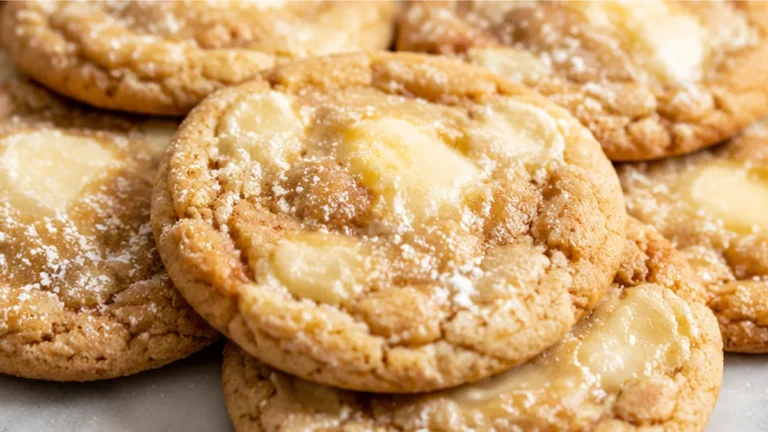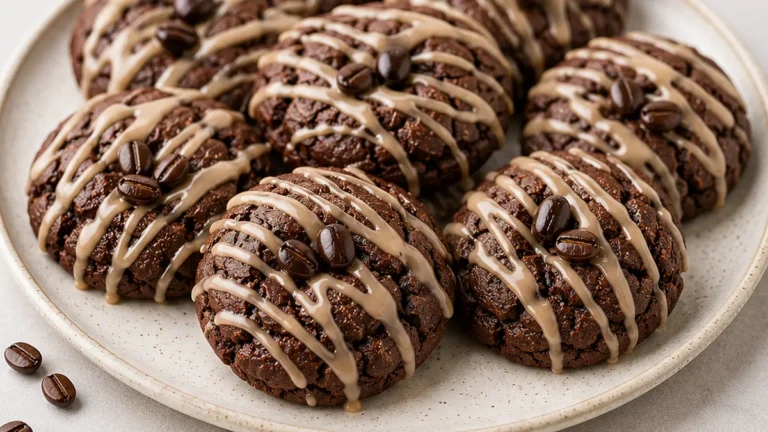
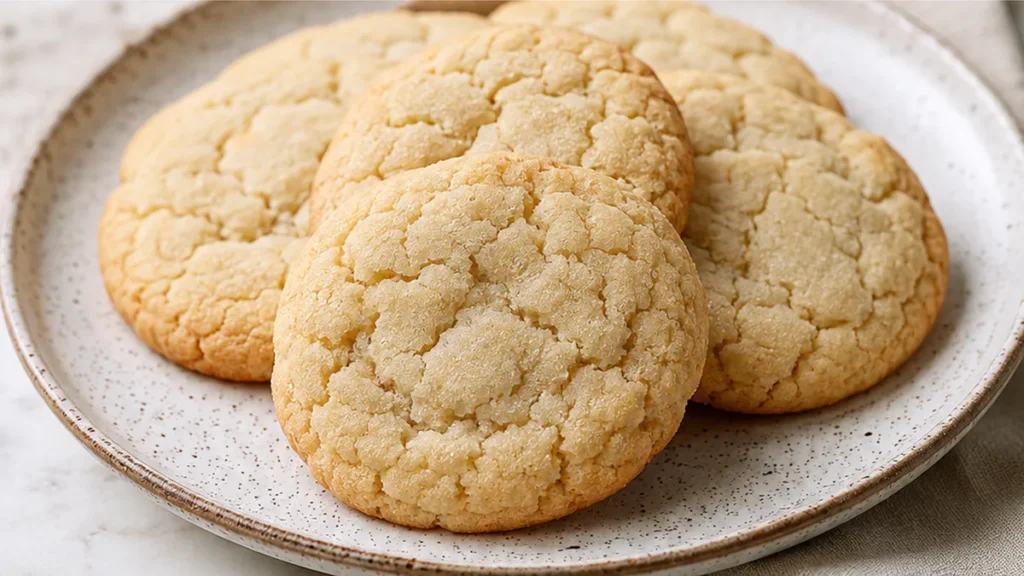
The secret to truly chewy almond flour cookies lies in the balance of flours and proper chilling, ensuring they don’t spread too thin. This almond flour cookies recipe delivers that perfect soft center and crackly edge, ideal for gluten-free baking enthusiasts. These almond flour cookies rely on super-fine blanched almond flour and a touch of cornstarch to achieve their delightful texture. They are surprisingly simple to make and quickly become a go-to for a naturally gluten-free treat.
Key takeaways
- Using melted butter enhances chewiness.
- Chill the dough to prevent excessive spreading.
- Proper measurement of almond flour is crucial for texture.
- Fresh leavening agents ensure the right rise and lightness.
Ingredients for almond flour cookies
- 3 cups (288g) super-fine blanched almond flour (spooned & leveled)
- 1/4 cup (30g) cornstarch or tapioca starch
- 1 teaspoon baking powder
- 1/2 teaspoon baking soda
- 1/4 teaspoon salt
- 1/2 cup (8 Tbsp; 113g) unsalted butter, melted and slightly cooled
- 1/2 cup (100g) granulated sugar
- 1/4 cup (50g) packed light or dark brown sugar
- 1 large egg, at room temperature
- 2 teaspoons pure vanilla extract
How to make almond flour cookies
- In a medium bowl, whisk together the almond flour, cornstarch, baking powder, baking soda, and salt. Set aside.
- In a large bowl whisk together the melted butter, granulated sugar, and brown sugar until combined. Add the egg, vanilla, and almond extract. Whisk until combined.
- Add the dry ingredients to the wet ingredients and mix with a silicone spatula or wooden spoon until fully combined. Fold in the sprinkles, if using. The dough will be very soft. Cover and chill the dough for at least 2 hours (or up to 3 days). Do not skip chilling.
- Preheat the oven to 350°F (177°C). Line large baking sheets with parchment paper or silicone baking mats. Have ready a small bowl of granulated sugar for coating the cookie dough balls.
- Scoop and roll dough into balls, about 1.5 Tablespoons (28–30g) of cookie dough each. Roll the dough balls in the sugar, and arrange 3 inches apart on the lined baking sheets. Using the bottom of a measuring cup, gently press down on each cookie to slightly flatten.
- Bake the cookies for 13–15 minutes, until the surface looks crackly and the edges are set but the centers still look soft. Allow cookies to cool on the baking sheet for 10–20 minutes and then transfer to a cooling rack to cool completely.
- If desired, decorate cooled cookies with buttercream frosting and top with sprinkles. For frosted cookies like the ones pictured, a Wilton 12 piping tip swirls buttercream on top of the cooled cookies.
- Store unfrosted cookies in an airtight container at room temperature for up to 5 days. Store frosted cookies in an airtight container at room temperature for up to 1 day, or in the refrigerator for up to 5 days.
The Technique That Makes It
Creating chewy almond flour cookies relies heavily on the balance of moisture and fat, as well as the unique properties of almond flour. Unlike traditional wheat flour, almond flour does not contain gluten, which means it requires careful handling to achieve the desired texture. The use of melted butter introduces fat that contributes to chewiness, while the combination of cornstarch or tapioca starch helps to stabilize the structure, providing a tender crumb. Additionally, incorporating an egg aids in binding the ingredients and adds moisture, enhancing the overall chewiness.
Troubleshooting
- Issue: Cookies spread too much during baking.
Fix: Ensure the butter is melted and cooled slightly before mixing. Chilling the dough for 30 minutes can also prevent excessive spreading. - Issue: Cookies are too dry or crumbly.
Fix: Check that the almond flour is properly measured (spooned and leveled) and consider adding an extra egg yolk for additional moisture. - Issue: Cookies are too dense.
Fix: Ensure that the baking powder and baking soda are fresh, as expired leavening agents can lead to a lack of rise. - Issue: Cookies lack flavor.
Fix: Increase the vanilla extract to 1 tablespoon or add a pinch of cinnamon for enhanced flavor.
Substitutions
- Cornstarch: Substitute with arrowroot powder for a similar texture and stability in the cookies.
- Unsalted butter: Use coconut oil for a dairy-free option, which will impart a subtle coconut flavor.
- Granulated sugar: Swap with coconut sugar for a lower glycemic index and a hint of caramel flavor.
- Brown sugar: Use maple syrup for a vegan alternative, but reduce the overall liquid in the recipe slightly to maintain the right dough consistency.
Pro tips
- Don’t skip chilling the dough; this is crucial for preventing spread and ensuring a chewy texture. Rushing this step turns the cookies into flat, brittle disks.
- For perfectly even cookies, use a cookie scoop. This also helps them bake uniformly.
- The cookies are done when the edges are set and the surface looks crackly, even if the centers still seem soft. They will firm up as they cool.
Try these almond flour cookies for a delightful gluten-free option that doesn’t compromise on taste or texture. Share your creations and enjoy this chewy treat!
Frequently asked questions
Can I use other types of flour in this recipe?
Almond flour is essential for the cookie’s texture and flavor. Substituting with regular wheat flour will alter the outcome significantly, as it contains gluten, which changes the cookie’s chewiness.
How should I store the cookies?
Store the cookies in an airtight container at room temperature for up to a week. For longer storage, consider freezing them, which can preserve their texture and flavor for up to three months.
Can I make these cookies vegan?
Yes, you can make these cookies vegan by substituting the egg with a flax egg (1 tablespoon ground flaxseed mixed with 2.5 tablespoons water) and using coconut oil instead of butter.
Why are my cookies not chewy?
If the cookies are not chewy, it may be due to overbaking or using too much almond flour. Ensure the cookies are baked just until the edges are golden and the centers are still soft.