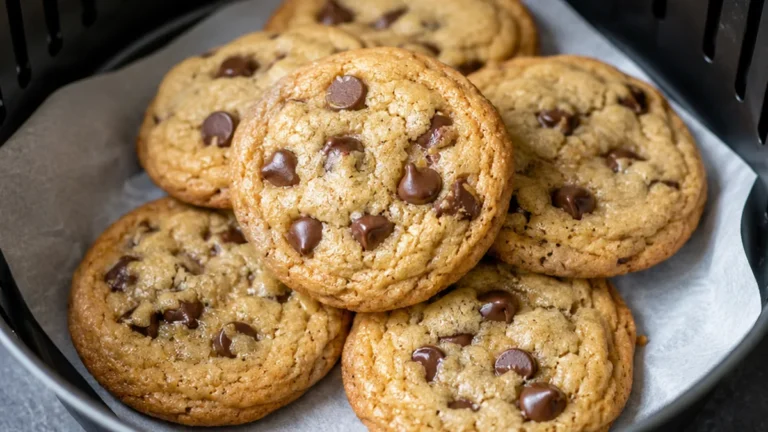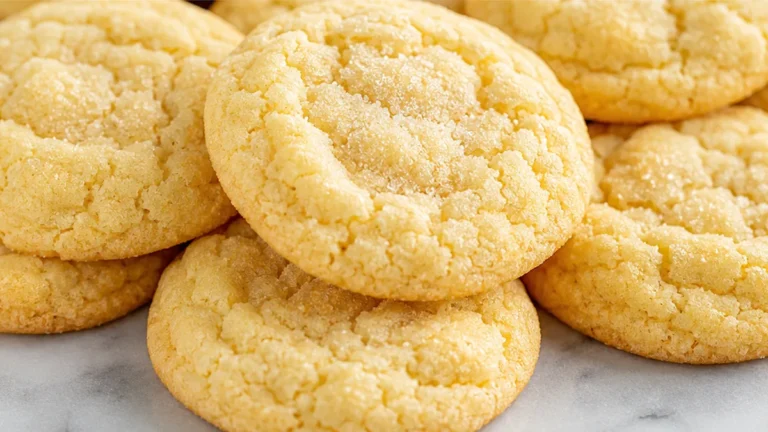
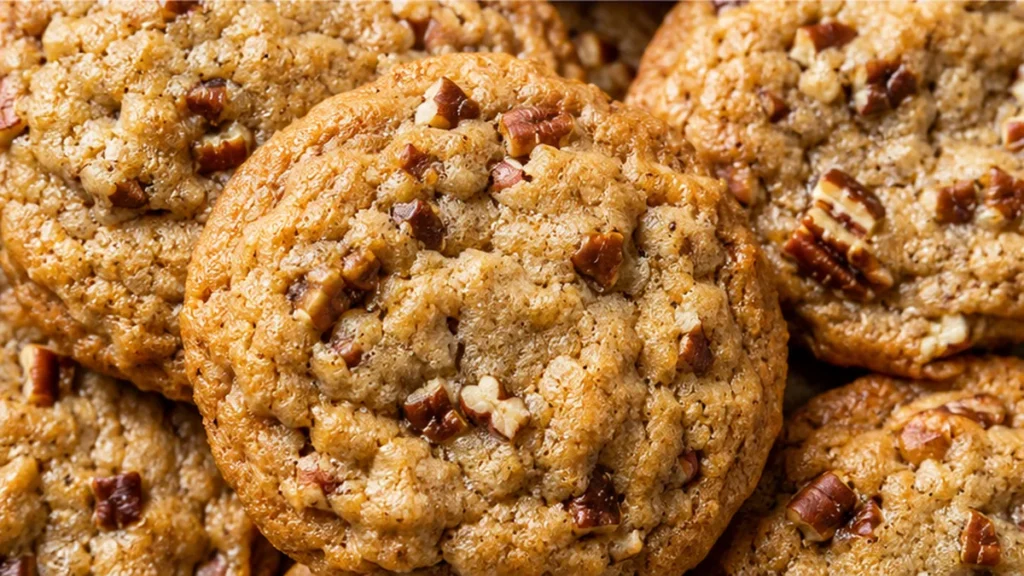
The secret to truly exceptional pecan cookies lies in two key elements: perfectly browned butter and a touch of real maple syrup. This recipe improves the classic pecan cookie by infusing it with deep, nutty notes from browned butter and a subtle, complex sweetness from maple. It’s the ideal treat for anyone seeking a cookie with more depth and character. Forget bland, basic cookies. These brown butter maple pecan cookies offer a sophisticated flavor profile that feels both comforting and gourmet. this recipe is designed to yield consistently delicious results, creating a cookie that’s chewy, nutty, and utterly irresistible.
Key takeaways
- Brown butter adds a rich flavor to pecan cookies.
- Proper mixing techniques ensure a smooth emulsion.
- The right flour and leavening ratios are essential for texture.
- Resting the dough improves hydration and prevents spreading.
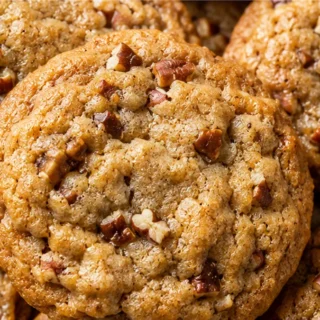
Brown Butter Pecan Cookies
Ingredients
- ½ cup (113g) unsalted butter, browned
- ⅔ cup (145g) packed light brown sugar
- 1 tsp (5ml) pure vanilla extract
- 1 large egg
- ¼ cup (60ml) pure maple syrup
- 1 ½ cups (215g) all-purpose flour
- ¾ tsp baking soda
- ¼ tsp baking powder
- ½ tsp salt
- ½ cup (60g) chopped roasted pecans, plus more for topping
Instructions
- Brown the butter until it has deep golden specks and a nutty aroma. Let it cool for 20-30 minutes.
- In a large bowl, mix the cooled brown butter with brown sugar and vanilla until combined. Add the egg and mix until smooth.
- Whisk together flour, baking soda, baking powder, and salt in a separate bowl. Fold this dry mixture into the butter mixture until just combined.
- Cover the dough and refrigerate for 30 minutes to 1 hour. Preheat your oven to 350°F (175°C) and line baking sheets with parchment paper.
- Portion the dough using a 1.35-oz scoop, roll into balls, and place them 3 inches apart on the sheets. Bake for 9-11 minutes.
- Let the cookies cool on the baking sheets for 2 minutes before transferring them to a wire rack.
- Prepare the glaze by whisking together melted brown butter, powdered sugar, maple syrup, and vanilla.
Video
Notes
Understanding Brown Butter and Its Role in Pecan Cookies
Brown butter is a key element in these pecan cookies, adding a rich, nutty flavor. The process involves melting unsalted butter over medium heat until it turns golden brown and develops a deep, complex aroma. This occurs at around 350°F (175°C). The Maillard reaction, which occurs during this process, enhances the cookies’ flavor profile significantly. For optimal results, watch the butter closely to avoid burning, which can occur rapidly after it begins to brown.
Importance of Proper Mixing Techniques
When combining the brown butter with sugars, it’s crucial to achieve a smooth emulsion. Start by whisking the warm brown butter with the light brown sugar until well combined. This should take about 2-3 minutes. The warmth of the butter helps dissolve the sugar, creating a creamy texture that contributes to the cookies’ chewiness. Over-mixing can lead to tough cookies due to gluten development, so mix just until combined.
Correct Flour and Leavening Ratios for Structure
The balance of all-purpose flour, baking soda, and baking powder is essential for achieving the right cookie texture. For this recipe, 1 ½ cups (215g) of flour combined with ¾ tsp of baking soda and ¼ tsp of baking powder creates a structure that allows the cookies to rise properly without becoming cakey. The salt content (½ tsp) enhances flavor and balances sweetness. Too much flour can lead to dry cookies, while too little can cause them to spread too thin.
Choosing the Right Pecans and Their Impact on Flavor
Using roasted pecans adds depth to the cookies. The roasting process enhances their natural oils and flavors, making them more aromatic. Aim for ½ cup (60g) of chopped roasted pecans mixed into the dough, with additional pieces for topping. If you opt for raw pecans, the cookies will lack the same depth of flavor, and the texture will be less crunchy. Toasting the pecans in the oven at 350°F (175°C) for 8-10 minutes can replicate the roasted flavor if starting with raw nuts.
Resting the Dough for Optimal Texture
Allowing the cookie dough to rest for at least 30 minutes in the refrigerator before baking is crucial. This resting period allows the flour to hydrate fully, which improves the cookie’s texture and flavor. It also helps prevent excessive spreading during baking, leading to thicker, chewier cookies. For best results, you can chill the dough for up to 24 hours, but ensure to bring it back to room temperature for about 10 minutes before scooping and baking.
How to Prepare Dough in Advance for Pecan Cookies
Preparing the dough ahead of time can enhance the flavors of your pecan cookies. To do this, after mixing your ingredients, wrap the dough tightly in plastic wrap or place it in an airtight container. Refrigerate for up to 72 hours. Chilling not only allows the flavors to meld but also helps firm up the dough, making it easier to scoop and shape. If you want to freeze the dough, portion it into balls and freeze them on a baking sheet before transferring to a zip-top bag. They can be baked directly from frozen; just add a couple of extra minutes to the baking time.
Adjusting Cookie Size and Baking Time
The size of your pecan cookies significantly affects their baking time and texture. For standard cookies, use a tablespoon to scoop the dough, yielding about 12-15 cookies. If you prefer larger cookies, use a 1/4 cup measure, which will create about 6-8 cookies. Larger cookies will require additional baking time, typically 2-4 minutes longer. Conversely, smaller cookies will bake faster. Always monitor them closely, as overbaking can lead to dry cookies. A good indicator of doneness is a golden-brown edge with a slightly soft center.
Understanding the Role of Ingredient Quality in Seasonal Variations
The quality of your ingredients can greatly impact the final product, particularly in pecan cookies. Fresh, high-quality pecans will provide a richer flavor and better texture than older or lower-quality nuts. Seasonal variations, such as the availability of fresh maple syrup or local butter, can also influence taste. When using seasonal ingredients, adjust your expectations for flavor intensity. For example, a robust, freshly harvested maple syrup can impart a deeper flavor than a mass-produced variety. Always taste your ingredients before incorporating them to ensure they meet your desired flavor profile.
Choosing the Right Equipment for Optimal Results
The equipment you use can affect the outcome of your pecan cookies. A stand mixer is ideal for creaming the butter and sugar, ensuring a uniform mixture. If you’re using hand mixers or mixing by hand, be prepared for a bit more effort, as achieving the same emulsion may take longer. Additionally, using a silicone baking mat can prevent sticking and promote even baking, while parchment paper can help with cleanup. Ensure your baking sheets are of good quality; heavy-duty sheets distribute heat evenly, preventing burnt bottoms. Always preheat your oven to ensure consistent baking results.
How to Store Brown Butter Pecan Cookies for Maximum Freshness
To keep your brown butter pecan cookies fresh, store them in an airtight container at room temperature. They can last up to one week this way. For longer storage, consider freezing them. Place cookies in a single layer on a baking sheet to freeze individually before transferring them to a freezer-safe bag. They can be kept frozen for up to three months. When ready to enjoy, thaw them at room temperature for about 30 minutes or microwave for 10-15 seconds for a freshly baked taste.
Scaling Your Batch of Pecan Cookies Without Compromising Quality
When scaling your batch of brown butter pecan cookies, maintain the original ratios of ingredients to ensure consistent flavor and texture. For example, if doubling the recipe, use 1 cup of browned butter, 1 1/3 cups of brown sugar, and so forth. Be mindful of your mixing bowl’s size and your oven’s capacity. Baking times may slightly vary with larger batches, so monitor the cookies closely, checking for doneness a few minutes earlier than the original recipe indicates.
Choosing the Right Equipment for Baking Pecan Cookies
The equipment you use can significantly affect the outcome of your brown butter pecan cookies. A heavy-duty baking sheet ensures even heat distribution, preventing burnt bottoms. Use parchment paper to prevent sticking and facilitate easy removal. A stand mixer can provide consistent mixing, but a hand mixer works well too. For measuring, invest in a digital kitchen scale for precise ingredient amounts, especially important for flour which can be compacted and lead to dense cookies if measured incorrectly.
Why the texture may vary when scaling your batch of pecan cookies
When scaling your batch of pecan cookies, the texture can change due to several factors. First, the ratios of ingredients must remain consistent; for instance, if you double the recipe, ensure that the proportions of flour, sugar, and butter are kept the same. A common mistake is to miscalculate the leavening agents. For every additional cup of flour, increase the baking soda by 0.5 grams to maintain the right rise. Additionally, mixing time is crucial. Larger batches may require longer mixing to achieve the same emulsion and aeration as smaller ones. For instance, a batch scaled up to three times the original may need an extra 2-3 minutes of mixing to ensure even distribution of the ingredients. Finally, baking time may also vary; larger batches may need a few extra minutes in the oven, so monitor closely for doneness.
How to achieve the perfect balance of flavors in your pecan cookies
The balance of flavors in brown butter pecan cookies is essential for a delightful taste experience. The nuttiness of brown butter complements the sweetness of brown sugar and maple syrup, while the roasted pecans add a crunchy texture. To enhance these flavors, consider the quality of your ingredients. Using high-quality maple syrup (preferably Grade A or B) will yield a more robust flavor compared to imitation syrups. Additionally, to intensify the nuttiness, toast your pecans lightly before chopping them, which can amplify their flavor profile. The salt also plays an important role; a pinch of flaky sea salt sprinkled on top before baking can elevate the overall taste by balancing the sweetness. Finally, allow the cookies to cool completely before tasting, as the flavors meld and develop further as they set.
Pro tips
- Browning butter takes patience; watch closely to avoid burning. It should smell nutty and turn a deep golden brown.
- Chill the dough for at least 30 minutes; this prevents spreading and deepens the flavors.
- Don’t overbake! Cookies continue to cook on the hot baking sheet. Aim for edges that are set and lightly browned.
Enjoy these deeply flavorful brown butter maple pecan cookies as a delightful treat. Share them, savor them, or bake a double batch – they’re that good!
Frequently asked questions
Can I use salted butter instead of unsalted?
Using salted butter will alter the flavor balance of the cookies, making them saltier. If you choose to use salted butter, consider reducing the added salt in the recipe to maintain the intended sweetness.
What if my cookies spread too much during baking?
Excessive spreading may occur due to too much butter or insufficient flour. Ensure you measure your ingredients accurately. Additionally, chilling the dough before baking can help maintain the cookies’ shape.
How can I make these cookies gluten-free?
To make gluten-free pecan cookies, substitute all-purpose flour with a 1:1 gluten-free flour blend. Be aware that the texture may differ slightly, but the cookies should still hold together well.
Can I freeze the cookie dough for later use?
Yes, you can freeze the cookie dough. Portion it into balls and freeze them on a baking sheet before transferring to a zip-top bag. When ready to bake, simply add a few extra minutes to the baking time if baking from frozen.
More from Holiday & Christmas Cookies →