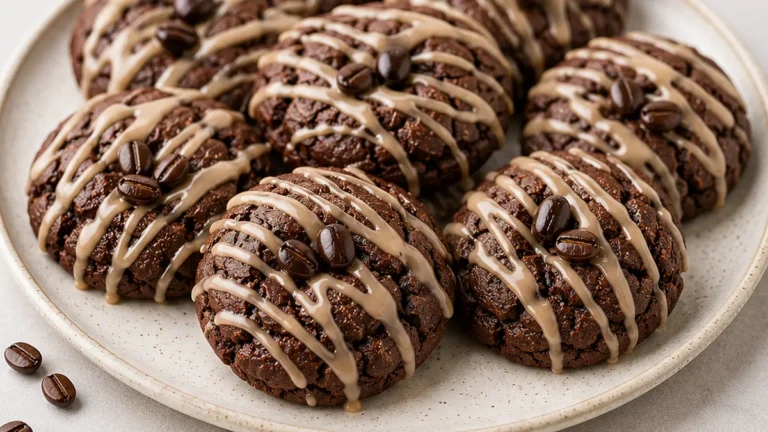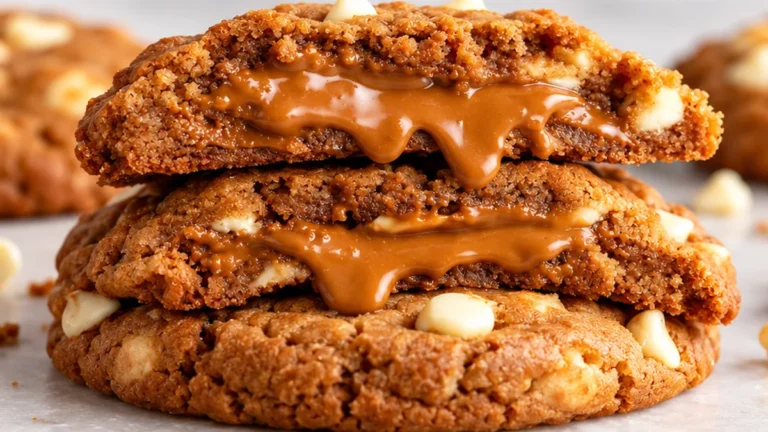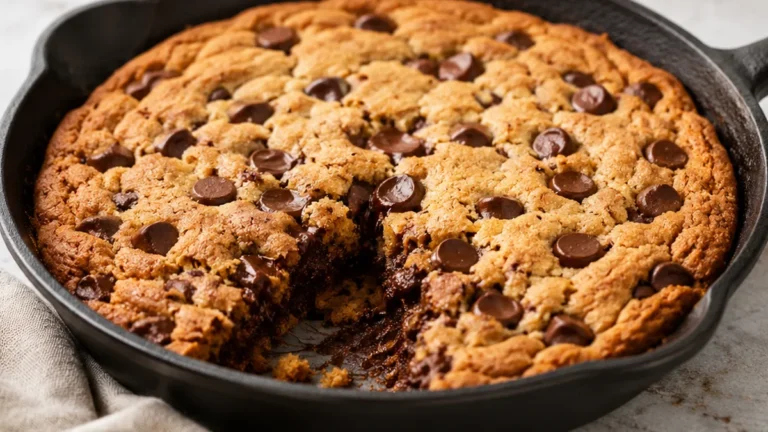
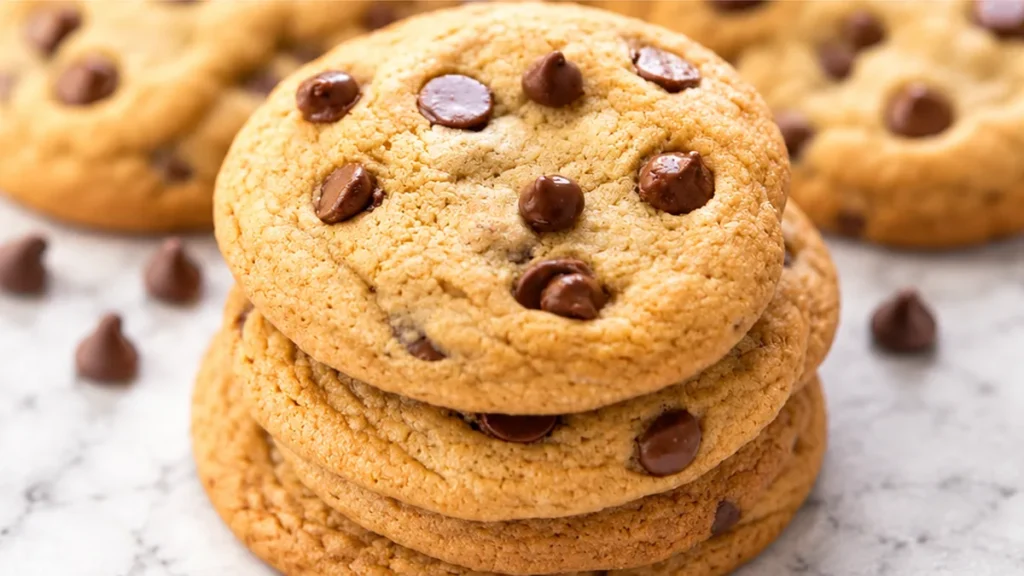
These melt in your mouth chocolate cookies are made with brown butter for added richness. Follow this simple recipe for a perfect treat.
Key takeaways
- Use a proper fat-to-flour ratio for the ideal texture.
- Resting the dough enhances flavor and texture.
- Control baking temperature for optimal Maillard reaction.
- Substitutions can affect texture and flavor significantly.
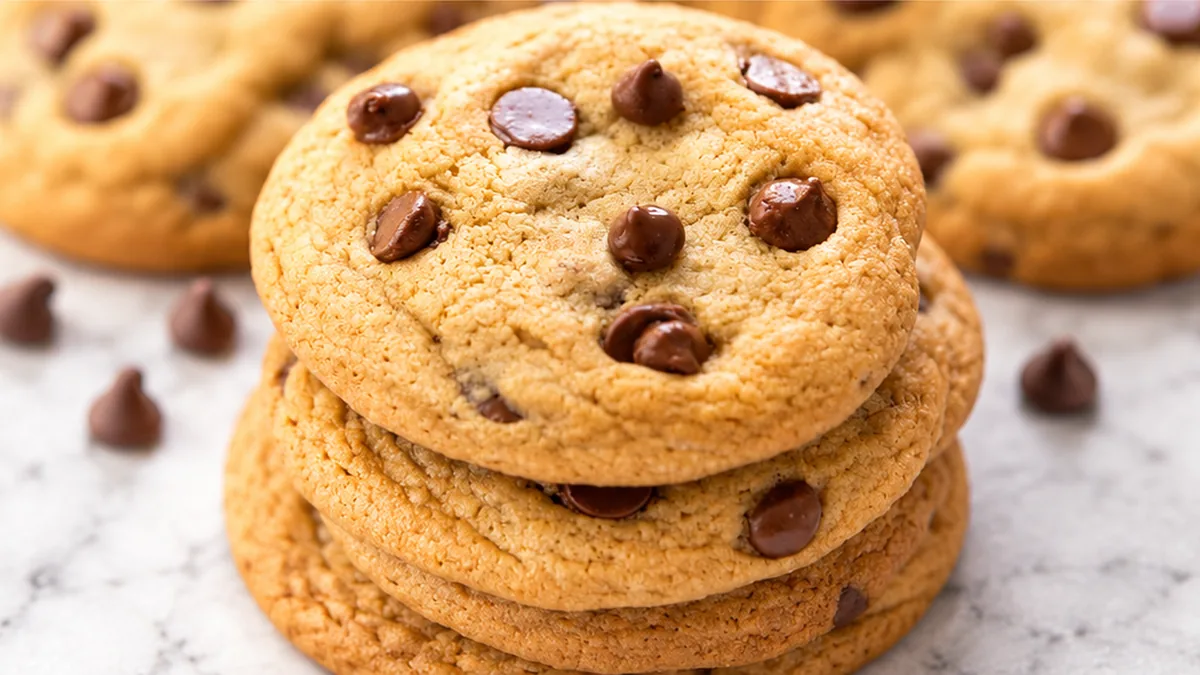
Melt-in-Your-Mouth Chocolate Chip Cookies
Ingredients
Method
- Preheat oven to 350°F (180°C) (standard) or 320°F (160°C) (fan / convection). Place oven shelf in the middle.
- Line 2 trays with baking / parchment paper.
- Whisk the flour, salt, and baking soda in a bowl.
- Place the butter in a large heatproof bowl. Microwave until almost fully melted (25 sec for room temp butter, 40 sec for fridge cold butter on high).
- Whisk to finish melting the butter completely.
- Add brown and white sugar, whisk energetically for 15 seconds.
- Add egg, yolk, and vanilla, whisk well for 15 seconds.
- Add flour mixture and mix until flour is almost fully incorporated.
- Fold in chocolate chips until just combined.
The Science Behind Melt-in-Your-Mouth Texture
The unique texture of melt-in-your-mouth chocolate chip cookies can be attributed to several factors. The balance of fat, sugar, and flour is crucial. For instance, a higher fat content, typically from butter, contributes to a tender texture. When butter is creamed with sugar, it incorporates air, which helps leaven the cookies. The ideal ratio of flour to fat is around 2:1, ensuring the cookies hold their shape while remaining soft.
Additionally, the Maillard reaction, which occurs between amino acids and reducing sugars when heated, enhances flavor and color. This reaction is optimal at temperatures between 140°C and 165°C (285°F to 330°F). Therefore, baking at the right temperature is essential for achieving that golden-brown exterior while keeping the inside soft.
Common Issues and Their Solutions
Even the best recipes can encounter problems. Here are some common issues when making chocolate chip cookies and how to fix them:
- Issue: Cookies spread too much.
- Cause: Too much butter or not enough flour.
- Fix: Reduce the butter slightly or increase the flour by 10-15 grams.
- Issue: Cookies are too hard.
- Cause: Overbaking or too much flour.
- Fix: Bake for a shorter time or measure flour correctly, using the spoon-and-level method.
- Issue: Cookies are too cakey.
- Cause: Too much baking powder or eggs.
- Fix: Reduce the baking powder by half or use one less egg.
Ingredient Swaps and Their Effects
Substituting ingredients can yield different textures and flavors. Here are some common swaps:
- Brown sugar for white sugar: This swap adds moisture and a chewier texture due to the molasses content in brown sugar.
- Butter for margarine: Using margarine may result in a less rich flavor and a slightly different texture, as margarine has a higher water content.
- Dark chocolate for semi-sweet chocolate: Dark chocolate will provide a more intense chocolate flavor, which can balance the sweetness.
Unique Characteristics of This Cookie Recipe
What sets this chocolate chip cookie recipe apart is the resting period for the dough. Allowing the dough to rest for at least 30 minutes before baking helps the flour to hydrate fully, resulting in a better texture. This resting time also allows the flavors to meld, enhancing the overall taste of the cookies. Many recipes skip this step, but it is crucial for achieving that melt-in-your-mouth quality.
Understanding the Impact of Ingredient Quality on Texture
The quality of ingredients plays a crucial role in achieving the melt-in-your-mouth texture of chocolate chip cookies. For example, using high-quality chocolate with a high cocoa butter content can enhance the overall richness and mouthfeel. Similarly, fresh ingredients such as eggs and butter can significantly affect the dough’s consistency. It’s recommended to choose unsalted butter for better control over the salt level in the cookies, as well as using pure vanilla extract for a more authentic flavor. The flour type also matters; a lower protein content flour, like cake flour, can yield a softer cookie compared to all-purpose flour. Aim for a flour-to-fat ratio of about 2:1 for optimal results.
Batch Scaling Without Compromising Quality
When scaling the recipe for larger batches, it’s essential to maintain the same ingredient ratios to preserve the texture and flavor. For instance, if doubling the recipe, ensure that the mixing time remains consistent, as overmixing can lead to tougher cookies. Additionally, consider the baking time; larger batches may require slight adjustments in baking duration. Using a kitchen scale for precise measurements can help maintain consistency across different batch sizes. Keep in mind that the dough can be refrigerated for up to 72 hours, allowing for cookie baking on demand without sacrificing quality.
Equipment Variations and Their Effects on Baking
The type of baking sheet and oven can affect the final outcome of your cookies. Darker baking sheets tend to absorb more heat, resulting in cookies that may brown faster. If using dark pans, reduce the baking temperature by about 10-15 degrees Celsius (20-30 degrees Fahrenheit) to prevent over-browning. Additionally, using parchment paper can help achieve an even bake and prevent sticking. If you have a convection oven, reduce the baking temperature by 20 degrees Celsius (about 35 degrees Fahrenheit) and check for doneness a few minutes earlier, as convection ovens circulate air more efficiently.
Enhancing Flavor with Seasonal Ingredients
Seasonal ingredients can elevate the flavor profile of your melt-in-your-mouth chocolate chip cookies. In the fall, consider adding spices like cinnamon or nutmeg for a warm, cozy flavor. During the summer, incorporating fresh herbs like basil or mint can provide an unexpected twist. Additionally, using locally sourced chocolate or nuts can enhance the freshness and taste of your cookies. When using seasonal ingredients, adjust the quantities to maintain balance; for example, if adding a wet ingredient like pureed pumpkin, reduce the fat slightly to prevent the dough from becoming too soft.
How to Properly Store Cookies for Optimal Freshness
Storing cookies correctly is crucial to maintaining their melt-in-your-mouth texture. After baking, allow the cookies to cool completely on a wire rack. Once cooled, store them in an airtight container at room temperature. For longer storage, consider freezing them. Place the cookies in a single layer in a freezer-safe container, separating layers with parchment paper to prevent sticking. When ready to enjoy, simply thaw at room temperature for about 30 minutes. This method preserves the cookies’ texture while preventing them from becoming stale.
Batch Scaling: Maintaining Texture and Flavor
Scaling your batch of melt-in-your-mouth chocolate chip cookies requires careful consideration to maintain texture and flavor. When increasing the recipe, keep the ratios of ingredients consistent. For example, if doubling the recipe, use twice the amount of flour, sugar, and butter. However, be mindful of the mixing time; overmixing can lead to tougher cookies. It’s also advisable to bake in smaller batches to ensure even cooking. Monitor baking time closely, as larger batches may require slight adjustments in time to achieve the perfect golden brown without overbaking.
Seasonal Ingredients and Their Impact on Flavor
Using seasonal ingredients can significantly enhance the flavor profile of your melt-in-your-mouth chocolate chip cookies. For instance, in the fall, consider incorporating spices like cinnamon or nutmeg to add warmth. In the summer, fresh citrus zest can brighten the flavor. Additionally, using high-quality chocolate can elevate the overall taste. Look for chocolate with a cocoa content of at least 70% for a richer flavor. Remember, the quality of your ingredients directly affects the final product, so choose wisely based on the season.
How to Achieve the Perfect Texture When Scaling the Recipe
When scaling the melt-in-your-mouth chocolate chip cookie recipe, maintaining the ideal texture can be challenging. For each additional batch, ensure that you adjust the baking time and temperature accordingly. A general rule is to increase the baking time by about 2-3 minutes for every additional dozen cookies, but keep a close eye on them. Also, consider the size of your baking sheets; larger sheets allow for better air circulation and even baking. If you’re doubling or tripling the recipe, mixing the dough in smaller batches can help prevent overmixing, which can lead to tough cookies.
Another factor to consider is the cooling process. If you are baking multiple trays at once, rotate them halfway through the baking time to ensure even browning. The use of parchment paper can also affect the texture; using a thicker parchment can help achieve a softer bottom crust. Aim for a cookie that is slightly underbaked in the center, as it will continue to cook on the baking sheet after being removed from the oven.
Understanding the Role of Ingredient Temperature in Baking Cookies
The temperature of your ingredients plays a crucial role in the final outcome of your melt-in-your-mouth chocolate chip cookies. For instance, using cold butter versus softened butter can dramatically affect the spread and texture of the cookies. Cold butter may result in a thicker cookie, while softened butter will create a more spreadable dough, leading to a flatter cookie. Ideally, butter should be at room temperature, around 20-22°C (68-72°F), for optimal creaming with sugars.
Additionally, eggs should also be at room temperature to ensure even mixing. If you forget to take them out in advance, you can place them in warm water for about 10 minutes. This small adjustment can help create a more homogenous batter, leading to a consistent texture throughout the cookies. Finally, when adding chocolate chips or chunks, consider their temperature as well; adding them straight from the fridge can cool down the dough, affecting how they melt during baking. Aim for a balanced approach to ingredient temperatures for the best results.
Pro tips
Pro tip: Best served immediately while hot!
Frequently asked questions
Why did my cookies spread too much?
Cookies may spread excessively due to too much butter or insufficient flour. To fix this, try reducing the butter slightly or increasing the flour by 10-15 grams.
How can I make my cookies softer?
To achieve softer cookies, ensure you do not overbake them. Additionally, using brown sugar instead of white sugar can help retain moisture and softness.
What is the best way to store these cookies?
Store the cookies in an airtight container at room temperature. For longer freshness, you can freeze them in a zip-top bag, which helps maintain their texture.
Can I use different types of chocolate?
Yes, you can substitute semi-sweet chocolate with dark chocolate or milk chocolate based on your preference. Each type will yield a different flavor profile and sweetness level.
More from Chocolate Chip Cookies →