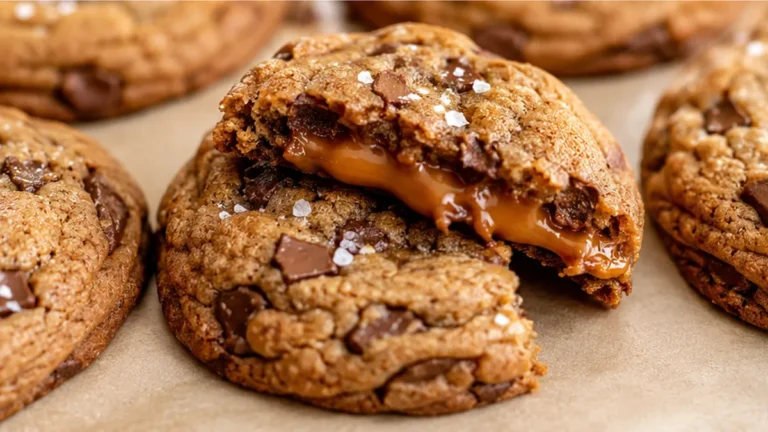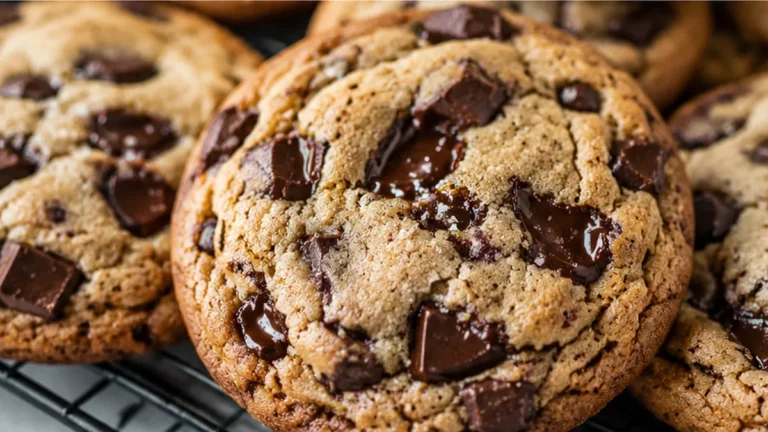
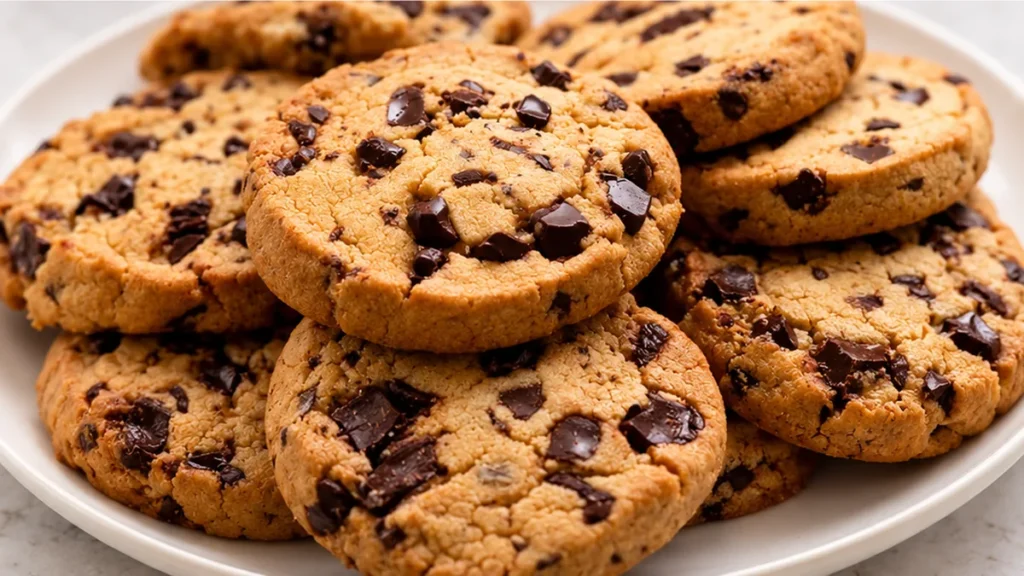
These chewy chocolate chip cookies are a staple in any kitchen. With a focus on texture and flavor, this recipe ensures a satisfying treat every time.
Key takeaways
- Use a balance of brown and granulated sugar for chewiness.
- Chill the dough for at least 30 minutes before baking.
- Avoid overmixing to prevent tough cookies.
- Adjusting ingredients can significantly change texture and flavor.
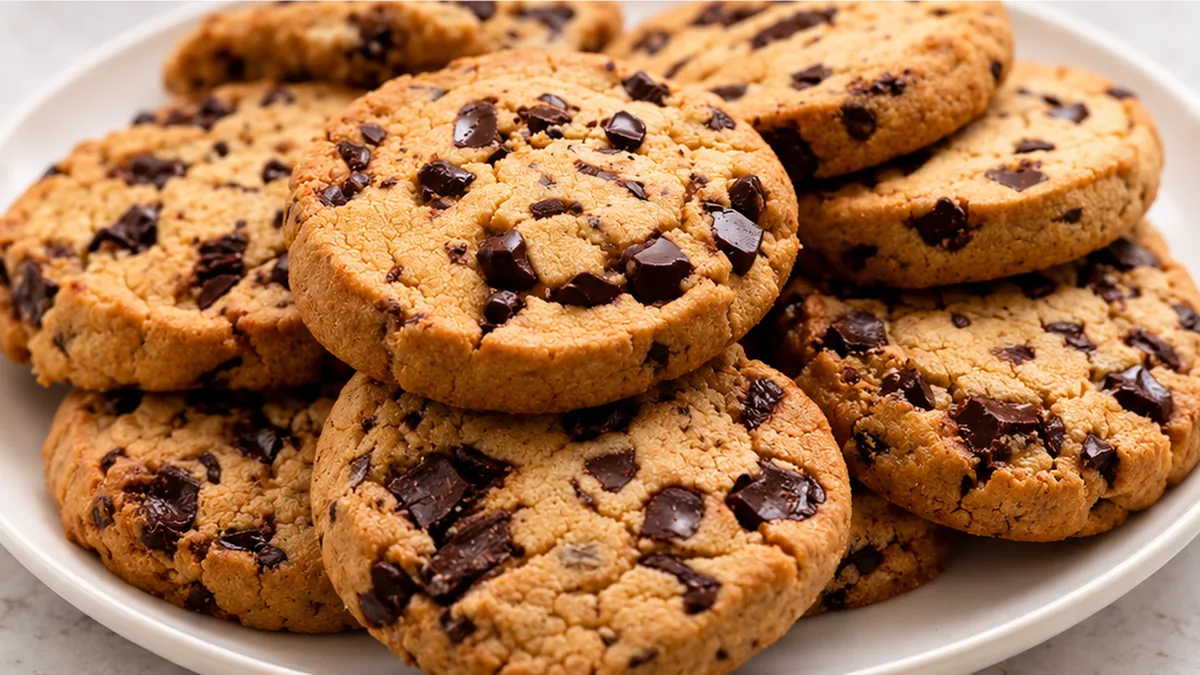
Chewy Chocolate Chip Cookies: Pure Bliss in Every Bite!
Ingredients
Method
- Place butter, salt, brown sugar, and white sugar in a bowl. Beat on speed 5 for 1 minute until soft, creamy, and fluffy.
- Add egg yolks and vanilla extract. Beat for 1 minute until well incorporated.
- Add baking powder, rice flour, and half the all-purpose flour. Beat until no flour is visible, then add the remaining all-purpose flour and beat until incorporated.
- The mixture will be fairly lumpy and thick. If you press it between your fingers, it should stick together rather than being dry and crumbly.
- Use a wooden spoon to stir the chopped dark chocolate through the dough.
- Tip the dough onto a work surface, then press it together into a 9-inch (22cm) log. Wrap tightly in plastic wrap, twisting to seal the ends.
- Refrigerate the dough log for 1.5 to 2 hours.
- Baking instructions: Preheat your oven to 350°F (175°C). Slice the chilled dough into ½-inch thick rounds. Place on a baking sheet lined with parchment paper, leaving space between cookies. Bake for 10-12 minutes, or until the edges are golden brown and the centers are still slightly soft. Let cool on the baking sheet for 5 minutes before transferring to a wire rack.
Understanding the Science Behind Chewy Texture
The key to achieving the perfect chewy chocolate chip cookies lies in the balance of ingredients and the method of preparation. The combination of brown sugar and granulated sugar creates a unique moisture content, enhancing chewiness. Brown sugar contains more moisture due to the presence of molasses, while granulated sugar contributes to a crispier exterior. For optimal results, a ratio of 2:1 brown sugar to granulated sugar is recommended, and the dough should be chilled for at least 30 minutes before baking. This chilling period allows the flour to fully hydrate and the flavors to meld, resulting in a richer taste and texture.
Common Pitfalls and Practical Solutions
When baking chewy chocolate chip cookies, several common issues can arise:
- Overmixing the Dough: This can lead to tough cookies due to excessive gluten development. Mix until just combined to maintain a tender texture.
- Underbaking: Cookies that are removed too early will not set properly, leading to a doughy interior. Aim for a golden-brown edge while the center remains slightly soft.
- Incorrect Oven Temperature: An oven that is too hot can cause cookies to spread too quickly, resulting in thin, crispy cookies. Use an oven thermometer to ensure accuracy, aiming for 175°C (350°F).
Ingredient Adjustments and Their Impact
Swapping ingredients can significantly affect the outcome of your cookies:
- Using Coconut Oil Instead of Butter: This will yield a slightly different flavor and texture; cookies may be less chewy and more crumbly.
- Substituting Whole Wheat Flour for All-Purpose Flour: While this adds a nutty flavor and increases fiber content, it may result in denser cookies. Consider using a blend of both for the best of both worlds.
- Adding More Chocolate Chips: Increasing the chocolate content enhances flavor but may also affect the structural integrity of the cookie.
Unique Characteristics of Chewy Cookies
What sets chewy chocolate chip cookies apart from others is their distinctive texture profile. Unlike crispy cookies, chewy varieties maintain a soft interior while offering a slight resistance when bitten into. This is achieved through precise baking times and the right balance of sugars. Additionally, incorporating an egg yolk can enhance chewiness, as the fat from the yolk contributes to a tender crumb. Furthermore, the use of a higher protein flour can help create a chewier texture, making it a unique choice for cookie lovers.
Understanding the Impact of Ingredient Quality on Cookie Texture
The quality of ingredients plays a crucial role in the final texture of chewy chocolate chip cookies. For instance, using high-quality chocolate can enhance the overall flavor and texture. Chocolate with a higher cocoa content (70% or more) tends to melt beautifully, creating a rich, gooey experience. Similarly, the freshness of baking soda can affect the rise and chewiness; old baking soda loses its potency, resulting in denser cookies. Butter quality also matters—using European-style butter, which has a higher fat content, can yield a richer flavor and a more tender texture.
How to Scale Your Cookie Recipe Without Compromising Quality
Scaling recipes can be tricky, especially when it comes to maintaining the texture and flavor of chewy chocolate chip cookies. When doubling or halving a recipe, it’s essential to maintain the correct ratios of flour to fat and sugar. For example, if you decide to double the recipe, ensure you accurately measure the ingredients and consider the mixing time. Overmixing can lead to tough cookies, so keep an eye on the dough’s consistency. Additionally, larger batches may require longer baking times, and you should rotate the baking sheets halfway through to ensure even baking.
Using Different Equipment and Its Effects on Baking
The type of baking sheet and oven you use can significantly influence the outcome of your chewy chocolate chip cookies. Darker baking sheets tend to absorb more heat, leading to quicker browning, which can affect the texture. If using a dark pan, consider reducing the baking temperature by about 10-15 degrees Celsius (20-30 degrees Fahrenheit) to prevent over-browning. Additionally, using a convection oven can circulate hot air more efficiently, potentially reducing baking time. Always monitor your cookies closely, as different equipment can lead to variations in baking results.
Seasonal Adjustments for Optimal Cookie Enjoyment
Seasonal changes can impact the texture and flavor of your chewy chocolate chip cookies. During the summer, higher humidity can cause flour to absorb moisture, resulting in a wetter dough. You may need to adjust by adding a bit more flour to achieve the desired consistency. In contrast, winter can lead to drier air, which might necessitate a slight increase in liquid ingredients. Additionally, using seasonal ingredients such as fresh nuts or spices can elevate the flavor profile, making your cookies unique and delightful, tailored to the time of year.
How to Properly Store Chewy Chocolate Chip Cookies for Maximum Freshness
To maintain the chewy texture and flavor of your chocolate chip cookies, proper storage is essential. After baking, allow the cookies to cool completely on a wire rack. Once cooled, store them in an airtight container at room temperature. This prevents moisture loss and keeps the cookies soft. For longer storage, consider freezing them. Place the cookies in a single layer on a baking sheet to freeze individually before transferring them to a freezer-safe bag. This method prevents them from sticking together and allows you to enjoy freshly baked cookies anytime.
Scaling Your Chewy Chocolate Chip Cookie Recipe Without Sacrificing Texture
When scaling your cookie recipe, it’s crucial to maintain the balance of ingredients to ensure consistent texture. For instance, if you double the recipe, use a kitchen scale to accurately measure ingredients, especially flour and sugar, as their density can vary. A common ratio is to keep the flour-to-butter ratio around 2:1 for chewy cookies. Additionally, increase baking time slightly when baking larger batches, but monitor them closely to avoid overbaking. This careful scaling helps preserve the chewy quality that makes these cookies irresistible.
Pairing Chewy Chocolate Chip Cookies with Beverages for Enhanced Flavor
Chewy chocolate chip cookies can be paired with various beverages to enhance their flavor profile. A classic pairing is a glass of cold milk, which complements the richness of the chocolate and the sweetness of the cookie. For a gourmet twist, try pairing them with a dark roast coffee; the bitterness of the coffee balances the sweetness of the cookie. Alternatively, a scoop of vanilla ice cream served alongside warm cookies creates a delightful contrast in temperature and texture. Experimenting with these pairings can elevate your cookie experience.
How to Adjust Baking Times for Different Oven Types
Understanding how different oven types affect baking is crucial for achieving the perfect chewy chocolate chip cookies. Conventional ovens can have hot spots, while convection ovens circulate air for even heating. If using a convection oven, reduce the baking temperature by about 20°C (or 25°F) and check for doneness a few minutes earlier. For electric ovens, consider using an oven thermometer to ensure accurate temperature readings, as many home ovens can be off by as much as 10-20°C (18-36°F). This adjustment can mean the difference between cookies that are perfectly chewy and those that are overbaked.
The Role of Chilling Dough in Cookie Texture
Chilling the dough before baking is a step that can significantly affect the texture of chewy chocolate chip cookies. When the dough is chilled, the fats solidify, resulting in cookies that spread less during baking. This leads to a denser, chewier texture. Ideally, allow the dough to chill for at least 30 minutes, but for the best results, consider chilling it for up to 24 hours. This not only enhances the flavor through resting but also improves the cookie’s overall structure. Additionally, if you’re using brown sugar, chilling the dough allows for better moisture absorption, contributing to that signature chewiness.
How to Make Chewy Chocolate Chip Cookies Ahead of Time
Preparing chewy chocolate chip cookies in advance can be a game-changer for busy bakers. To make the dough ahead of time, prepare it as per the recipe and then refrigerate it. Chilling the dough for at least 24 hours can enhance the flavors and improve the texture, as it allows the flour to fully hydrate and the sugars to dissolve. When ready to bake, simply scoop the dough onto a baking sheet and bake directly from the fridge. If you want to freeze the dough, portion it into balls and wrap them tightly in plastic wrap or place them in an airtight container. Frozen cookie dough can last up to three months. When you’re ready to bake, there’s no need to thaw; just add a couple of extra minutes to the baking time for perfectly baked cookies.
Understanding the Role of Ingredient Quality in Chewy Texture
The quality of ingredients used in chewy chocolate chip cookies significantly influences the final product. For instance, using high-quality chocolate chips can greatly enhance the flavor and texture. Look for chocolate with a cocoa content of at least 60% for a rich taste. Similarly, the type of flour matters; all-purpose flour is standard, but using a blend that includes bread flour can increase gluten formation, leading to a chewier texture. Fresh ingredients, particularly butter and eggs, also contribute to a better rise and texture. Additionally, consider the freshness of your baking soda and baking powder, as they lose potency over time, which can affect the cookies’ ability to rise and achieve that desired chewiness. Opting for organic or locally sourced ingredients can yield a more robust flavor profile, making your cookies stand out.
Pro tips
Pro tip: Best served immediately while hot!
Frequently asked questions
What causes my cookies to be too flat?
Flat cookies are often a result of too much butter or not enough flour. Ensure you measure accurately and consider chilling the dough to prevent spreading.
How can I make my cookies chewier?
To enhance chewiness, use a higher ratio of brown sugar to granulated sugar and include an extra egg yolk. Chilling the dough also helps achieve the desired texture.
Can I freeze the cookie dough?
Yes, cookie dough can be frozen. Portion it into balls and freeze on a baking sheet before transferring to a freezer bag. Bake from frozen, adding a couple of minutes to the baking time.
Why are my cookies dry?
Dry cookies may result from overbaking or using too much flour. Ensure you spoon flour into the measuring cup and level it off for accuracy. Baking until just golden can also help retain moisture.
More from Chocolate Chip Cookies →