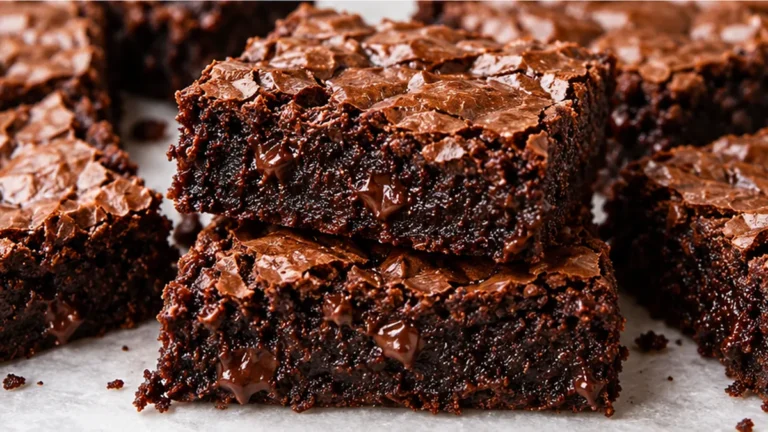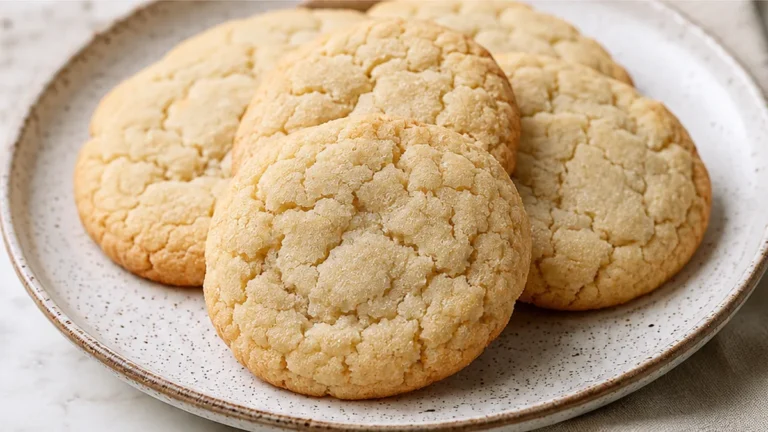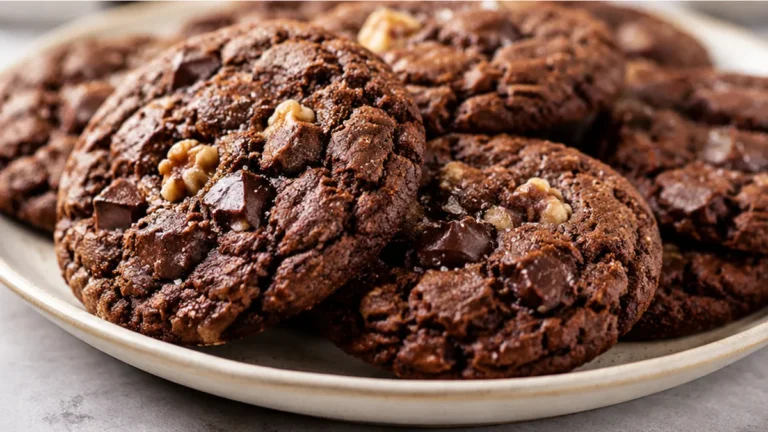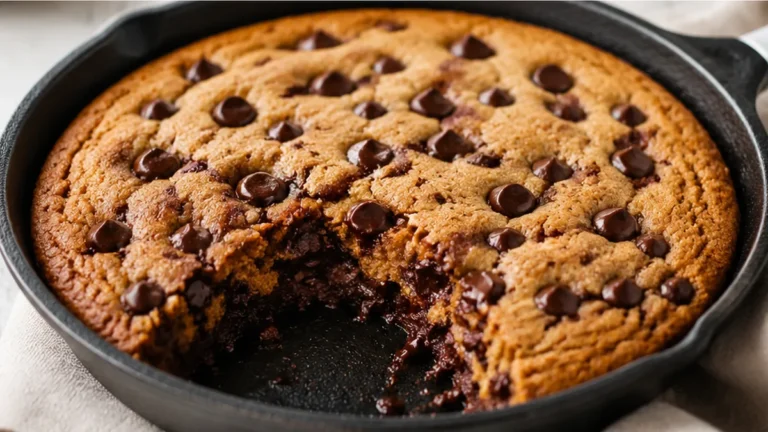
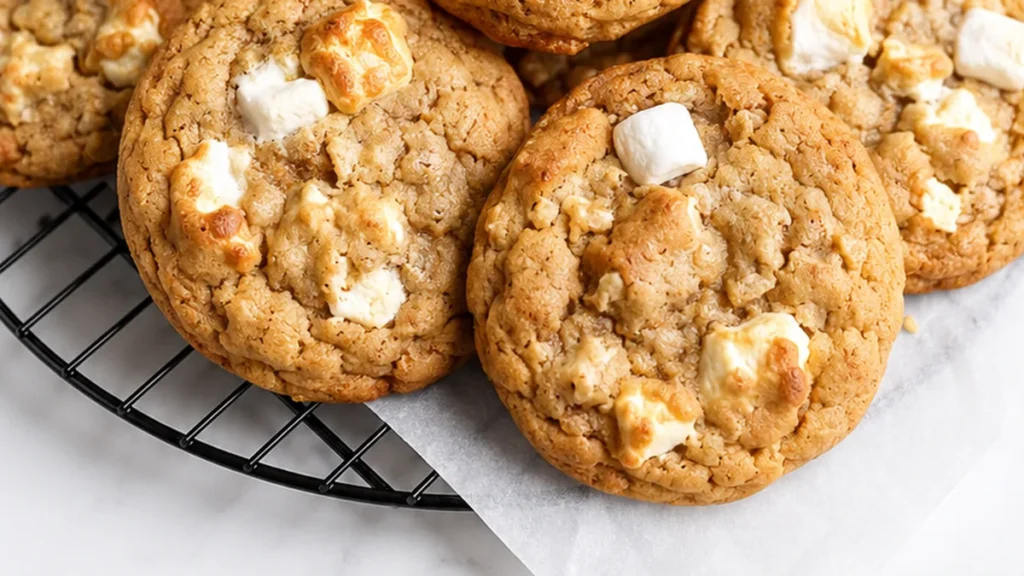
Crispy chewy dream cookies are a perfect blend of texture and flavor. This recipe features brown butter for a unique twist that enhances the taste.
Key takeaways
- Use room temperature butter for optimal texture.
- Brown sugar enhances chewiness; aim for a 2:1 ratio with white sugar.
- Chilling the dough improves flavor and controls spread.
- Oven temperature is crucial; bake at 190°C (375°F) for best results.
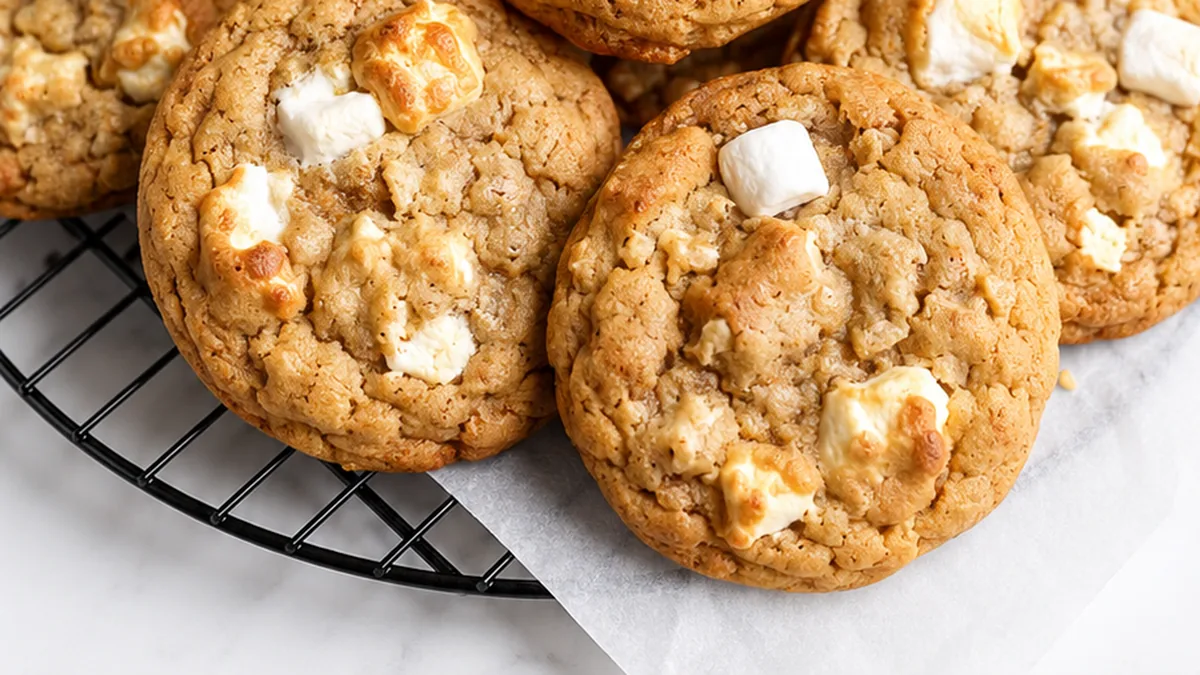
Crispy Chewy Dream Cookies
Ingredients
Method
- Freeze the marshmallows: Spread marshmallows on a parchment-lined baking sheet and freeze for 20 minutes.
- Brown the butter: Melt butter in a saucepan over medium heat, stirring often. Cook until golden brown with a nutty aroma (8-10 mins). Immediately pour into a large bowl to cool for 20-30 minutes until fluid but not hot.
- Mix wet ingredients: Add brown sugar, granulated sugar, and vanilla to the cooled brown butter. Mix with a spatula until combined and slightly fluffy. Do not overmix.
- Incorporate egg: Add the egg and mix well until the mixture is smooth and syrupy.
- Combine dry ingredients and fold: Whisk flour, baking soda, and salt in a medium bowl. Add this to the brown butter mixture and fold until mostly combined. Stir in crispy rice cereal and 3/4 cup (38g) of frozen marshmallows.
- Portion and freeze dough: Use a 1.35-oz scoop to portion dough into balls. Place on a parchment-lined baking sheet and freeze for 30-60 minutes to harden the marshmallows.
- Preheat oven and prep sheets: Preheat oven to 325°F (160°C) for thinner cookies or 350°F (175°C) for thicker cookies. Line two baking sheets with parchment paper.
- Bake and cool: Place dough balls 3 inches apart on prepared sheets. Press 2 more frozen marshmallows on top, tucking them under the dough. Bake for 9-11 minutes (at 325°F) or 8-10 minutes (at 350°F) until lightly golden and soft.
The Role of Butter in Texture
Butter is a crucial ingredient in crispy chewy dream cookies, significantly influencing their texture. The type of butter used, whether unsalted or salted, and its temperature can impact the final product. Using room temperature butter allows for better incorporation of air during creaming, which contributes to a lighter texture. For optimal results, the butter should be softened to about 20°C (68°F) to achieve the right emulsion.
The Importance of Brown Sugar
Brown sugar adds moisture and contributes to the chewiness of these cookies. The molasses in brown sugar not only enhances flavor but also affects the cookie’s structure. A higher ratio of brown sugar to granulated sugar will yield a denser and chewier cookie. Aim for a ratio of 2:1 brown sugar to white sugar for maximum chewiness.
Understanding Baking Soda and Baking Powder
Both baking soda and baking powder serve as leavening agents in crispy chewy dream cookies, but they function differently. Baking soda, a base, requires an acid to activate, while baking powder contains both an acid and a base. For a balanced cookie, ensure you use the right amount of each. Typically, using 1 teaspoon of baking soda and 1 teaspoon of baking powder in conjunction will provide a well-risen cookie with a crisp edge.
Chilling the Dough for Better Results
Chilling the cookie dough before baking is essential for controlling spread and enhancing flavor. Resting the dough for at least 30 minutes allows the flour to hydrate fully and the flavors to meld. Additionally, cold dough will spread less in the oven, leading to thicker, chewier cookies. For best results, consider chilling the dough for up to 24 hours.
Why Oven Temperature Matters
The temperature of your oven can make or break your cookies. Baking at a higher temperature (around 190°C or 375°F) will create a crispy exterior while keeping the inside chewy. An oven thermometer can help ensure accuracy, as many home ovens can be off by as much as 10-20 degrees. Preheat your oven thoroughly for the best results.
How to Make Crispy Chewy Dream Cookies Ahead of Time
Preparing crispy chewy dream cookies in advance requires careful planning. To make the dough ahead of time, prepare it according to the recipe, then wrap it tightly in plastic wrap or place it in an airtight container. The dough can be stored in the refrigerator for up to 72 hours before baking. This resting period allows the flavors to meld and can enhance the overall taste. Alternatively, you can freeze the dough for up to three months. When ready to bake, simply thaw it in the refrigerator overnight before shaping and baking. This method ensures that you can enjoy freshly baked cookies at a moment’s notice without compromising on quality.
Adjusting Batch Size for Different Occasions
Scaling the recipe for crispy chewy dream cookies is straightforward, whether you’re hosting a gathering or just want a few treats. The original recipe can be easily doubled or halved. When doubling, ensure you have adequate mixing space and consider using a stand mixer for efficiency. If halving, you might need to adjust the baking time slightly, as smaller batches can bake faster. Always keep an eye on the cookies as they bake, regardless of the batch size. Additionally, remember that ingredient ratios should remain consistent; for instance, if doubling, use double the amount of each ingredient, including the leavening agents, to maintain texture and rise.
The Impact of Equipment on Cookie Texture
The tools and equipment you use can significantly influence the outcome of your crispy chewy dream cookies. For instance, using a dark baking sheet can lead to faster browning, potentially resulting in a crispier exterior. Conversely, a light-colored baking sheet reflects heat, promoting even baking. Parchment paper can also make a difference; it prevents sticking and ensures even heat distribution. If using a stand mixer versus a hand mixer, the mixing speed may vary, affecting the incorporation of air into the dough. Always monitor the texture of your dough as you mix; overmixing can lead to tough cookies due to gluten development.
Seasonal Ingredient Quality and Its Effects
Ingredient quality can vary by season, impacting the overall flavor and texture of your crispy chewy dream cookies. For instance, butter made from fresh cream in the spring may yield a different taste compared to winter butter, which can be affected by the cow’s diet. Similarly, chocolate quality can fluctuate; using high-quality chocolate with a higher cocoa content will enhance the depth of flavor in your cookies. When baking during different seasons, consider adjusting your ingredient sources based on availability and freshness. Additionally, seasonal variations in eggs can affect the richness of your cookies, so opt for farm-fresh eggs when possible to achieve the best results.
How to Store Crispy Chewy Dream Cookies for Maximum Freshness
Proper storage is essential to maintain the texture and flavor of your crispy chewy dream cookies. To keep them fresh, place the cookies in an airtight container at room temperature. This prevents moisture from making them soggy while allowing them to retain their crisp edges. If you want to extend their shelf life, consider freezing them. Place the cookies in a single layer on a baking sheet to freeze individually, then transfer them to a freezer-safe bag or container. They can be stored in the freezer for up to three months. When ready to enjoy, simply thaw them at room temperature for about 30 minutes or warm them in the oven for a few minutes to restore their original texture.
Scaling the Recipe: Adjusting for Larger or Smaller Batches
Scaling recipes can be tricky, especially with baked goods like cookies. For crispy chewy dream cookies, it’s important to maintain the ratios of ingredients to ensure consistent texture and flavor. If you’re doubling the recipe, keep in mind that baking times may vary slightly; larger batches may require an additional minute or two in the oven. Conversely, if you’re halving the recipe, be cautious with the baking time, as smaller cookies may bake faster. It’s also essential to mix the dough thoroughly to ensure even distribution of ingredients, especially when working with larger quantities.
Serving Suggestions to Enhance Your Cookie Experience
Crispy chewy dream cookies can be enjoyed on their own, but pairing them with complementary flavors can elevate the experience. Consider serving them with a glass of cold milk or a scoop of vanilla ice cream for a classic combination. For a gourmet touch, drizzle them with melted dark chocolate or serve them alongside fresh berries to balance the sweetness. Additionally, these cookies make a delightful addition to dessert platters, especially during gatherings or celebrations. Their texture and flavor profile also pair well with coffee or tea, making them a perfect afternoon snack.
Understanding the Role of Flour in Texture
The type and amount of flour used in crispy chewy dream cookies significantly influences their final texture. All-purpose flour typically contains about 10-12% protein, which contributes to gluten formation. For a chewier cookie, a higher protein content is beneficial, while for a crispier cookie, a lower protein flour, like cake flour, can be used. Adjusting the flour to sugar ratio can also affect the moisture content, impacting chewiness versus crispiness. A common ratio is 2:1 for flour to sugar; however, tweaking this can yield different results. For instance, using 250 grams of flour instead of 300 grams can lead to a more delicate texture. Additionally, overmixing the dough can develop too much gluten, resulting in a tougher cookie instead of a desired chewy one.
How to Scale Your Batch Without Compromising Quality
Scaling the recipe for crispy chewy dream cookies requires careful adjustments to maintain the desired texture and flavor. When doubling or halving the recipe, it’s crucial to keep the ratios consistent. For example, if you’re doubling the recipe, use 400 grams of flour, 300 grams of brown sugar, and 200 grams of granulated sugar. However, be cautious with baking time; larger batches may require longer baking times, while smaller batches may bake faster. It’s often recommended to bake in smaller batches for even cooking. Also, consider the size of your mixing bowl and baking sheets. A crowded baking sheet can lead to uneven baking and affect the cookie’s texture. Always monitor the cookies closely, adjusting the time as needed, and perform the ‘toothpick test’ to ensure they are baked to perfection.
Pro tips
Pro tip: Best served immediately while hot!
Frequently asked questions
Can I use all-purpose flour instead of cake flour?
Yes, you can use all-purpose flour, but it may result in a denser cookie. Cake flour has a lower protein content, which contributes to a softer texture. If using all-purpose flour, consider adding a tablespoon of cornstarch to mimic cake flour’s tenderness.
What happens if I don’t chill the dough?
If you skip chilling the dough, the cookies may spread too much in the oven, resulting in thinner and less chewy cookies. Chilling allows the fats to solidify, which helps maintain shape during baking.
Can I substitute brown sugar with coconut sugar?
Coconut sugar can be used as a substitute for brown sugar, but it will impart a different flavor and may produce a slightly drier cookie. The chewiness may also be affected, so consider adding a bit more liquid to counterbalance.
How do I know when the cookies are done baking?
Cookies are typically done when the edges are golden brown and the center appears slightly underbaked. They will continue to firm up as they cool on the baking sheet. For a perfect texture, remove them from the oven just before they look fully set.
More from Chocolate Chip Cookies →