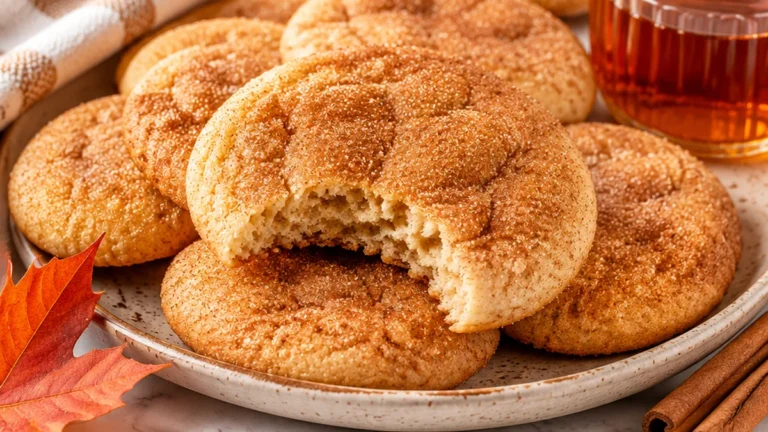

This recipe for magical royal icing for cookies uses meringue powder for stability. It’s easy to make and perfect for decorating your favorite cookies.
Key takeaways
- Achieving the right consistency is crucial for royal icing success.
- Use meringue powder as a safe substitute for egg whites.
- Royal icing dries hard, making it ideal for intricate cookie decorations.
- Humidity can affect drying time; keep icing covered when not in use.

Magical Royal Icing for Cookies!
Ingredients
Method
- Have your sugar cookies baked and cooled. This icing is enough to ice 2 dozen cookies.
- Combine 4 cups sifted confectioners’ sugar, 3 Tablespoons meringue powder, and 9 Tablespoons of water in a large bowl.
- Beat icing ingredients on high speed for 1.5–2 minutes until the icing drizzles and smooths within 5–10 seconds. Add more water 1 Tablespoon at a time if too thick.
- Divide and tint the icing with gel food coloring using a toothpick, stirring to deepen color as desired.
- Fit a pastry bag with a small round piping tip (e.g., Wilton #4) and fill with icing, leaving space at the top.
- Decorate your cooled cookies with the prepared royal icing.
Understanding the Science Behind Magical Royal Icing
Magical royal icing is primarily composed of egg whites or meringue powder, powdered sugar, and water. The key to its magical properties lies in the ratio of these ingredients, which creates a stable structure when dried. The sugar content plays a crucial role in the icing’s ability to hold its shape, while the egg whites contribute to its glossy finish and smooth texture. The ideal ratio is typically 1 part egg whites to 4 parts powdered sugar, ensuring a perfect balance between stability and spreadability.
Common Issues and Solutions with Royal Icing
One common issue when making royal icing is achieving the right consistency. If the icing is too runny, it will not hold its shape when piped. This can be fixed by gradually adding more powdered sugar until the desired thickness is reached. Conversely, if the icing is too thick, it can be thinned out with a few drops of water. Another problem is the icing drying too quickly, which can happen in low humidity environments. To remedy this, cover the icing with a damp cloth when not in use to prevent it from crusting over.
Ingredient Substitutions and Their Effects
While traditional royal icing uses egg whites, meringue powder is a popular substitute for those avoiding raw eggs. Using meringue powder can yield a slightly different texture but still provides stability. Another alternative is aquafaba, the liquid from canned chickpeas, which can mimic the properties of egg whites. However, it may require additional powdered sugar to achieve the same consistency. Lastly, for a vegan option, a commercial egg replacer can be used, though results may vary.
Unique Characteristics of Royal Icing
What sets magical royal icing apart from other icings is its ability to dry hard, making it perfect for intricate designs and decorations on cookies. Unlike buttercream, which remains soft and creamy, royal icing forms a solid crust that can withstand handling and stacking. This property allows for the creation of detailed decorations that are both beautiful and functional. Furthermore, royal icing can be easily colored and flavored, offering versatility in both aesthetics and taste.
Understanding the Impact of Humidity on Royal Icing
Humidity plays a crucial role in the consistency and drying time of royal icing. High humidity can prevent royal icing from setting properly, leading to a sticky texture that is difficult to work with. Ideally, royal icing should be made and used in a dry environment. When humidity levels exceed 60%, the icing may take longer to dry and can even become runny. To combat this, consider using a dehumidifier in your kitchen or preparing the icing during the driest part of the day. Additionally, if you live in a humid climate, you may want to increase the powdered sugar content slightly to achieve a firmer consistency.
Batch Scaling for Different Projects
When scaling your royal icing recipe, it’s important to maintain the right ratios to ensure consistency. For small projects, such as decorating a dozen cookies, you might use a standard batch. However, for larger events, like weddings or parties, you may need to scale up significantly. A good rule of thumb is to increase the ingredients proportionally while keeping the egg whites or meringue powder consistent, as these are crucial for the icing’s structure. For instance, if doubling the recipe, ensure you keep the same ratio of sugar to egg whites. This will help maintain the desired texture and drying properties.
Choosing the Right Equipment for Perfect Icing
The tools you use can significantly affect the outcome of your royal icing. A stand mixer is recommended for achieving the perfect consistency, as it thoroughly incorporates air into the icing, leading to a light and fluffy texture. If using a hand mixer, be aware that it may take longer to achieve the desired stiffness. Additionally, piping bags and various nozzle sizes can help create intricate designs, but the material of the piping bag also matters. Silicone bags are reusable and provide better control than disposable plastic bags. Investing in quality equipment can make a noticeable difference in your decorating results.
Seasonal Adjustments for Royal Icing
Seasonal changes can affect the ingredients used in royal icing, particularly the quality of eggs and powdered sugar. In warmer months, eggs may have a higher moisture content, which can alter the texture of your icing. Similarly, powdered sugar can clump more in humid conditions. To adapt, consider using fresh egg whites or pasteurized egg whites for better consistency. Additionally, sifting your powdered sugar before use can help eliminate clumps, ensuring a smoother icing. Keep in mind that the flavors can also change with the seasons; using seasonal extracts or flavorings can enhance your cookies and make them more appealing.
Understanding the Impact of Temperature on Icing Consistency
The temperature at which royal icing is prepared and stored can significantly affect its consistency and performance. Ideally, royal icing should be mixed in a cool environment to prevent it from becoming too runny. The optimal mixing temperature is around 20°C (68°F). If the icing is too warm, it may become overly fluid, making it difficult to achieve the desired designs on cookies. Conversely, if the icing is too cold, it may harden too quickly, leading to cracks during application. For best results, maintain a stable room temperature and avoid exposing the icing to direct sunlight or heat sources.
Batch Scaling for Large Projects
When scaling the batch of magical royal icing for larger projects, such as decorating multiple trays of cookies, it’s crucial to maintain the correct ratios of ingredients. A standard batch typically uses a 1:2 ratio of egg whites to powdered sugar. For larger quantities, consider multiplying the recipe while keeping this ratio consistent. For example, if doubling the batch, use two egg whites and four cups of powdered sugar. Additionally, be mindful of mixing time; larger batches may require longer mixing to achieve the same glossy finish. Always test a small batch first to ensure consistency before proceeding with the full quantity.
Adapting Royal Icing for Seasonal Events
Seasonal events can influence the flavors and colors of your magical royal icing. For instance, during the winter holidays, consider adding spices like cinnamon or nutmeg to the icing for a festive touch. Additionally, the choice of color can reflect seasonal themes, such as pastels for spring or rich tones for fall. When adapting flavors, ensure that the additions do not alter the icing’s consistency. A common approach is to use flavored extracts or gels that blend well without adding excess moisture. Always adjust the sugar content slightly if necessary to maintain the right texture, especially when using liquid flavorings.
Understanding the Shelf Life of Royal Icing
When preparing magical royal icing for cookies, it’s crucial to understand its shelf life and how to store it properly. Royal icing can be made ahead of time and stored in an airtight container. At room temperature, it can last up to two weeks, but for longer storage, refrigeration is advisable. When refrigerated, it can last up to a month. However, the icing may need to be re-whipped to restore its consistency. To prevent crusting, cover the surface of the icing with plastic wrap, ensuring it touches the icing directly. This minimizes air exposure, which can lead to drying out and hardening.
Scaling the Recipe for Various Projects
Scaling magical royal icing for cookies is essential, especially when preparing for large events or multiple batches. The key to scaling is maintaining the correct ratios of egg whites (or meringue powder), powdered sugar, and water. For instance, if the original recipe calls for 1 egg white and 450 grams of powdered sugar, doubling the recipe would require 2 egg whites and 900 grams of powdered sugar. It’s advisable to mix in small increments, adding powdered sugar gradually to achieve the desired consistency. Remember that larger batches may require more mixing time to ensure even distribution and proper texture. Adjusting the water content slightly can also help achieve the right consistency, especially if the humidity levels change.
Pro tips
Pro tip: Best served immediately while hot!
Frequently asked questions
What is the best way to achieve the right consistency for royal icing?
The ideal consistency for royal icing should be thick enough to hold its shape when piped but not so thick that it becomes difficult to work with. Start with a 1:4 ratio of egg whites to powdered sugar, adjusting with more sugar or water as needed.
Can I color royal icing, and if so, how?
Yes, royal icing can be easily colored using gel food coloring. Start with a small amount and mix thoroughly until you achieve the desired shade. Gel colors are preferred as they do not affect the icing’s consistency as much as liquid colors.
How long does royal icing take to dry?
Royal icing can take anywhere from 15 minutes to several hours to dry, depending on the thickness of the application and the humidity in the environment. For best results, allow it to dry overnight for a solid finish.
Can I store leftover royal icing?
Yes, leftover royal icing can be stored in an airtight container in the refrigerator for up to a week. Make sure to cover the surface with plastic wrap to prevent it from drying out. When ready to use, re-whip it to restore its consistency.
More from Sugar & Cut-Out Cookies →