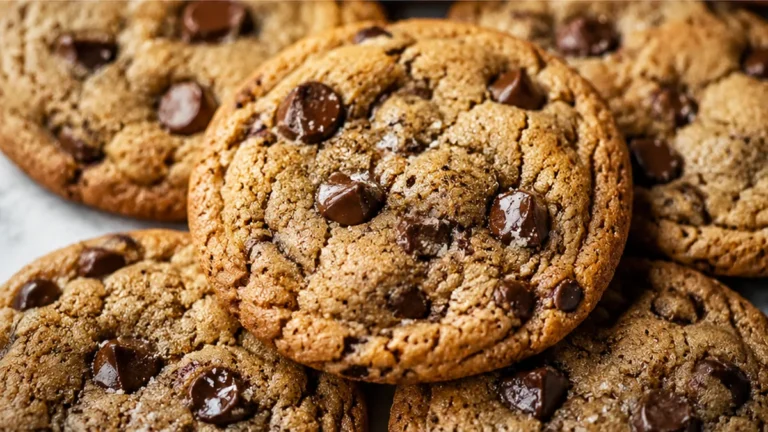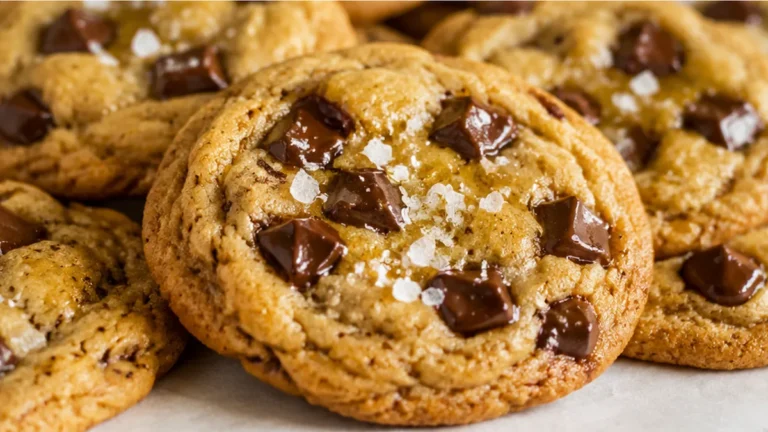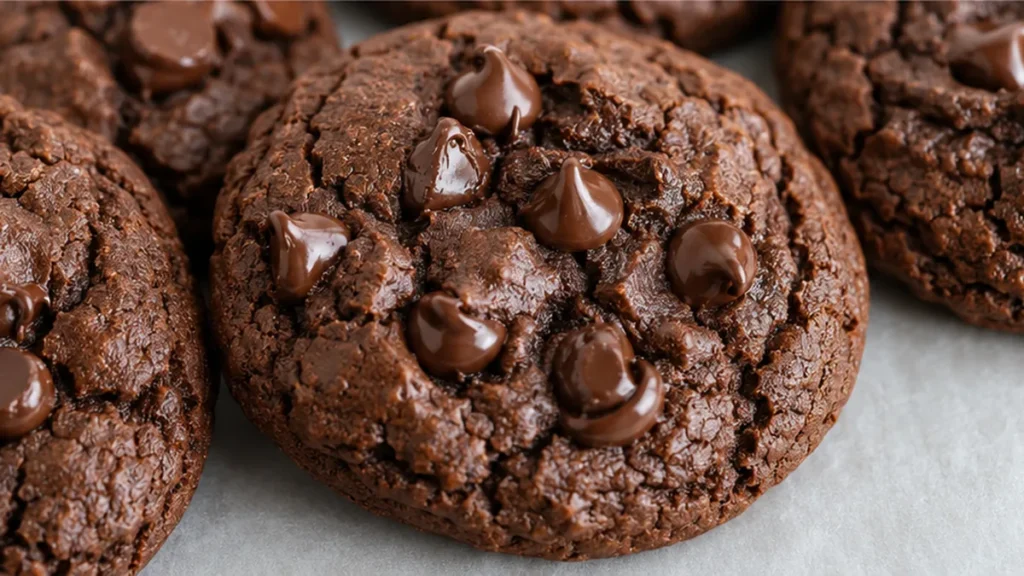
These cookies are a chocolate lover’s dream! Rich, chewy, and oh-so-delicious, each bite is packed with cocoa and chocolate chips.
Get ready to indulge in the ultimate chocolate treat! These German Chocolate Cookies are chewy, rich, and perfect for any occasion. Made with cocoa powder and semi-sweet chocolate chips, they’re sure to impress!
Key takeaways
- Use high-quality cocoa powder for flavor depth.
- Avoid overmixing to keep cookies tender.
- Ensure butter is at the right temperature for proper creaming.
- Distribute chocolate chips evenly for balanced taste.
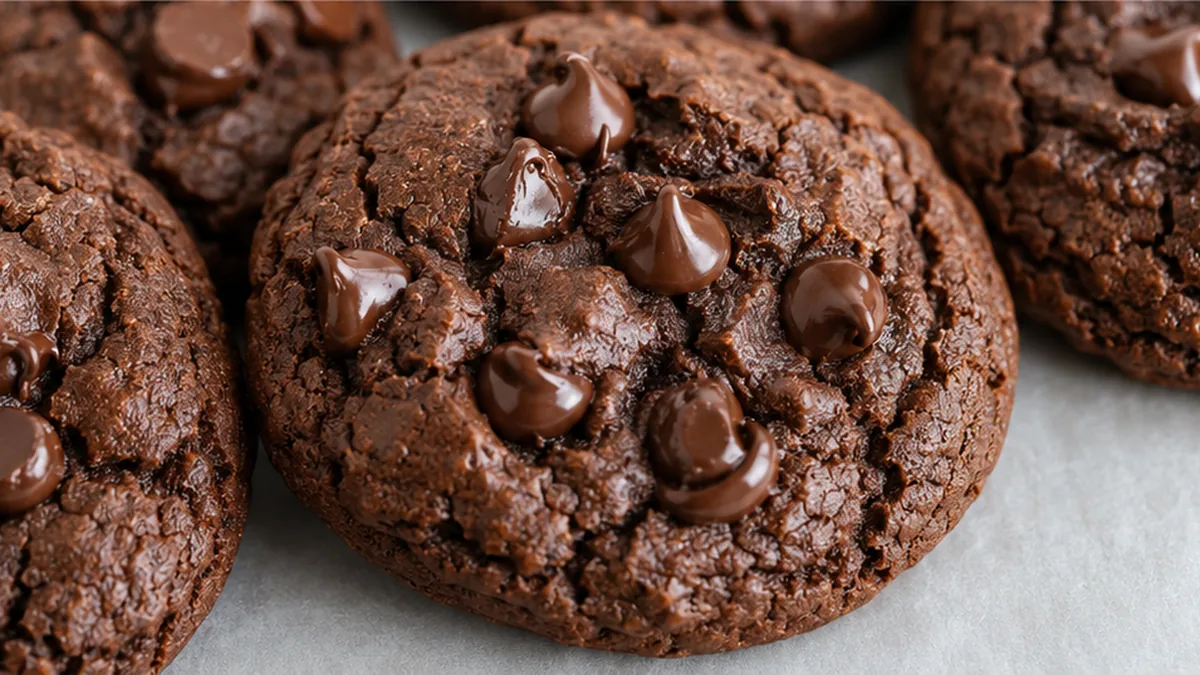
Irresistible German Chocolate Cookies You’ll Love!
Ingredients
Method
- Preheat the oven to 350°F.
- In a medium mixing bowl, whisk to combine the flour, cocoa powder, baking soda, and salt.
- In the bowl of a stand mixer fitted with the paddle attachment, cream the butter, light brown, and granulated sugar on medium speed for about 3 minutes until lightened in color and fluffy.
- Add the egg and vanilla and mix on low speed for 30 seconds, just until combined.
- With the mixer on low speed, gradually add the flour mixture a few tablespoonfuls at a time, mixing just until combined between each addition. Add the chocolate chips and mix on low speed just until combined.
- Scoop cookies to be about 1½ tablespoons in size onto parchment-lined baking sheets, leaving about 2 inches of space between each cookie.
- Bake for about 9 minutes. Remove the pan from the oven and tap the cookies on the counter once to flatten the tops. Let them cool on the pan for 5 minutes, then transfer to a cooling rack.
Video
Notes
Understanding the Role of Cocoa Powder in German Chocolate Cookies
Cocoa powder is essential in German chocolate cookies, providing depth of flavor and color. Using high-quality unsweetened cocoa powder enhances the chocolate intensity. The typical ratio of cocoa powder to flour in cookie recipes is about 1:3, ensuring a rich taste without compromising the structure. For this recipe, ½ cup (approximately 50 grams) of cocoa powder balances well with 1⅔ cups (around 200 grams) of flour, creating a satisfying texture.
Why Overmixing Leads to Tough Cookies
Overmixing the dough can lead to gluten development, resulting in tough cookies. When combining the wet and dry ingredients, mix just until incorporated. This usually takes about 30 seconds to 1 minute. If the dough feels too sticky, refrigerating it for 15-30 minutes can help, allowing the flour to hydrate and the butter to firm up.
The Importance of Butter Temperature for Texture
Using softened unsalted butter (approximately 170 grams) is crucial for achieving the right texture. Butter at room temperature (65-70°F or 18-21°C) allows for proper creaming with sugars, creating air pockets that help the cookies rise. If the butter is too cold, the cookies may spread unevenly; if too warm, they can become overly flat.
Why You Shouldn’t Skip the Egg in Your Dough
The egg in this recipe serves multiple functions: it binds the ingredients, adds moisture, and contributes to the cookie’s overall structure. A large egg (about 50 grams) helps achieve the desired chewiness. If you need to substitute, consider using one tablespoon of ground flaxseed mixed with three tablespoons of water as a vegan alternative, but expect a slightly denser cookie.
How to Achieve the Perfect Chocolate Chip Distribution
Even distribution of chocolate chips is vital for flavor balance. For this recipe, incorporating ½ cup (approximately 90 grams) of semi-sweet chocolate chips ensures that each bite is chocolatey. To enhance their incorporation, toss the chips in a bit of flour before adding them to the dough; this helps prevent them from sinking to the bottom during baking.
How to Prepare Dough in Advance for German Chocolate Cookies
Making the dough ahead of time can save you stress on busy days. To do this, prepare the dough as per the recipe, then wrap it tightly in plastic wrap or store it in an airtight container. You can refrigerate the dough for up to 3 days or freeze it for up to 3 months. When you’re ready to bake, if frozen, thaw the dough in the refrigerator overnight before baking. This allows flavors to develop and can result in a richer taste. Remember to let the dough come to room temperature for about 15-20 minutes before scooping and baking.
How Ingredient Quality Affects Your German Chocolate Cookies
The quality of your ingredients can significantly impact the flavor and texture of your cookies. For instance, using high-quality cocoa powder will enhance the chocolate flavor, while fresh, unsalted butter contributes to a creamy texture. Additionally, the freshness of your baking soda affects leavening; expired baking soda can result in flat cookies. Always check the dates on your ingredients, especially if they have been in your pantry for a while. Seasonal ingredients, like eggs from local farms, can also enhance flavor and texture.
The Influence of Equipment on Baking German Chocolate Cookies
The type of baking sheet and oven you use can alter the outcome of your cookies. For best results, opt for a heavy, dark-colored baking sheet, which promotes even browning. If your oven runs hot or cold, it may be worth investing in an oven thermometer to ensure accurate temperature readings. Also, using parchment paper can help prevent sticking and promote even baking. If you are using a convection oven, reduce the baking temperature by 25°F (about 14°C) and monitor the cookies closely, as they may bake faster.
Pairing Suggestions to Elevate Your German Chocolate Cookies
German chocolate cookies pair wonderfully with various accompaniments that enhance their rich flavors. Consider serving them with a scoop of vanilla ice cream or a dollop of whipped cream for a delightful contrast. A glass of cold milk is a classic choice that complements the chocolate beautifully. For a more sophisticated pairing, try enjoying these cookies with a cup of dark roast coffee or a sweet dessert wine, which can balance the richness of the chocolate. Seasonal variations, like adding chopped nuts or coconut flakes, can also enhance the flavor profile, making your cookies even more enjoyable.
How to Store German Chocolate Cookies for Maximum Freshness
To maintain the delightful texture and flavor of your German chocolate cookies, proper storage is key. Allow the cookies to cool completely on a wire rack before transferring them to an airtight container. If stored correctly, they can last up to one week at room temperature. For longer storage, consider freezing them. Place the cookies in a single layer in a freezer-safe container, separating layers with parchment paper. They can be frozen for up to three months. When ready to enjoy, thaw at room temperature for a few hours. This method preserves their chewy texture and rich chocolate flavor.
Scaling the Recipe: Adjusting Quantities for Larger Batches
If you find yourself needing more cookies for a gathering or event, scaling the recipe is a straightforward process. The ingredients can be doubled or tripled without significantly affecting the baking time. However, be mindful of your mixing bowl size; you may need to mix in batches if you scale up significantly. For instance, if you double the recipe, use 3⅓ cups of flour and 1 cup of cocoa powder. Keep the baking temperature at 350°F (175°C), but monitor the cookies closely, as larger batches might require a few extra minutes in the oven. Always check for doneness by looking for a slightly firm edge and a soft center.
Equipment Variations and Their Impact on Cookie Texture
The type of baking sheet and oven you use can greatly influence the outcome of your German chocolate cookies. For best results, opt for a heavy-duty baking sheet to ensure even heat distribution. If using a non-stick sheet, reduce the baking time slightly, as these can cause cookies to bake faster. Additionally, consider using parchment paper to prevent sticking and promote even browning. If your oven has hot spots, rotate the baking sheet halfway through baking to ensure uniform cooking. Understanding your equipment can help you achieve that perfect chewy texture and rich flavor characteristic of these cookies.
How to Adjust Baking Time for Different Oven Types
Oven calibration can significantly affect the baking time of your German chocolate cookies. Conventional ovens often require a baking temperature of 350°F (175°C) for about 10-12 minutes, while convection ovens may reduce this time by 2-3 minutes due to better heat circulation. Always check for doneness by looking for a set edge and a slightly soft center. If your cookies are browning too quickly, consider lowering the temperature by 25°F (about 14°C) and extending the baking time accordingly.
Why Your Cookies Might Spread Too Much
Excessive spreading is a common issue with cookie recipes, and it can occur for several reasons. If your butter is too warm or if you do not chill your dough, the cookies will spread excessively. To prevent this, ensure your butter is softened but not melted—ideally around 65°F (18°C). Chilling the dough for at least 30 minutes can also help maintain shape during baking. Additionally, ensure you are measuring your flour correctly; using too little flour can also lead to spreading.
How to Make Your German Chocolate Cookies Ahead of Time
Preparing German chocolate cookies in advance can save time and ensure you have freshly baked treats ready when needed. To make the dough ahead, combine all the dry ingredients (flour, cocoa powder, baking soda, and salt) in one bowl and the wet ingredients (butter, sugars, egg, and vanilla) in another. You can refrigerate the wet mixture for up to 3 days. When ready to bake, mix the wet and dry ingredients together, fold in the chocolate chips, and bake as directed. Alternatively, you can scoop the dough into balls and freeze them. Place the dough balls on a baking sheet, freeze until firm, then transfer to a zip-top bag. When ready to bake, there’s no need to thaw; just add a couple of extra minutes to the baking time.
Understanding the Impact of Baking Time on Texture
The baking time is crucial for achieving the desired texture in your German chocolate cookies. If you underbake them, you may end up with a doughy center, while overbaking can lead to a dry, crumbly cookie. For optimal results, preheat your oven to 350°F (175°C) and bake the cookies for 10-12 minutes. Keep a close eye on them; they should be set around the edges but slightly soft in the center. The cookies will continue to firm up as they cool on the baking sheet. If you prefer a chewier texture, aim for the shorter end of the baking time. Conversely, if you like a crispier cookie, extend the baking time slightly, but monitor closely to avoid burning.
Pro tips
Pro tip: Best served immediately while hot!
Frequently asked questions
Can I use dark chocolate chips instead of semi-sweet?
Yes, using dark chocolate chips will intensify the chocolate flavor. However, it may result in a slightly less sweet cookie, so consider adjusting the sugar if you prefer a sweeter taste.
What can I do if my cookies spread too much?
If your cookies spread excessively, ensure your butter is not too warm and consider chilling the dough for 30 minutes before baking. This helps solidify the fat and reduces spreading.
How do I know when my cookies are done baking?
Cookies are typically done when the edges are set and the centers look slightly underbaked. They will continue to firm up as they cool on the baking sheet. This usually takes about 10-12 minutes at 350°F (175°C).
Can I make these cookies ahead of time?
Yes, you can prepare the dough ahead of time and refrigerate it for up to 3 days. Alternatively, you can freeze the dough for up to 3 months. Just thaw in the refrigerator before baking.
More from Chocolate Chip Cookies →