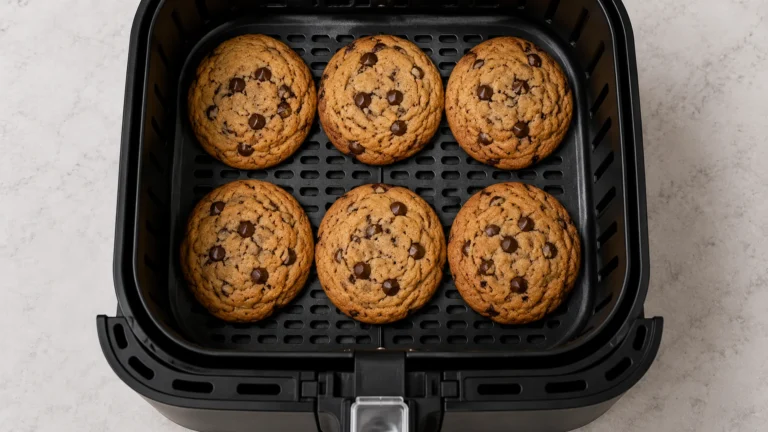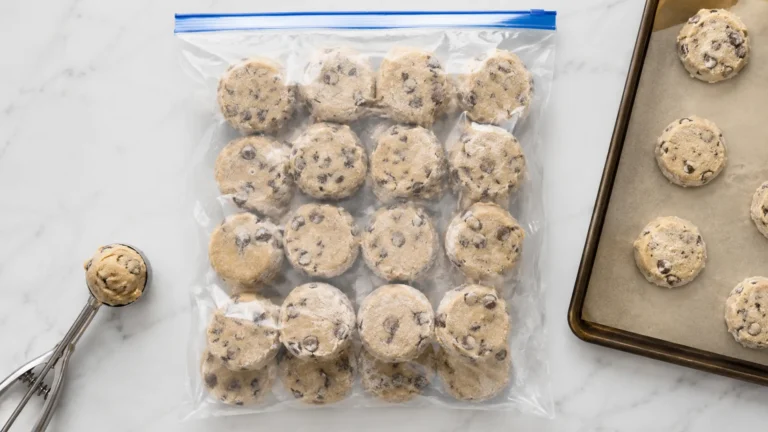

The best egg substitute for cookies depends on what the egg was doing in the first place: binding the dough together, adding moisture, or both. In most cookie recipes an egg is mainly a binder and a source of richness, which is good news, because that job is easy to replace. A flax egg, a few spoonfuls of applesauce, or half a mashed banana will all hold a batch of cookies together beautifully, and you almost certainly have one of them in the kitchen right now. Whether you ran out of eggs, are baking vegan, or are cooking around an allergy, eggless cookies can be every bit as good as the original.
This guide explains what eggs actually do in cookies, then walks through the eight substitutes that work best, with the exact amount to use per egg, the texture each one gives, and which cookies it suits. There is a comparison table, a section on choosing the right one for your recipe, and the small adjustments that make eggless cookies turn out great instead of just acceptable.
What Does an Egg Do in Cookies?
To replace an egg well, it helps to know its job. In cookies an egg does three things: it binds, holding the flour, fat, and sugar together so the cookie does not crumble; it adds moisture and richness, which affects chew and spread; and it contributes a little structure and lift as it sets in the heat. Most drop cookies use only one or two eggs, and the binding and moisture roles dominate, which is why so many simple swaps work. Recipes that lean on eggs for structure, like some delicate or cakey cookies, are harder to convert, but the everyday chocolate chip or oatmeal cookie is very forgiving. Match the substitute to the job the egg was doing and you will rarely go wrong.
The Best Egg Substitutes for Cookies
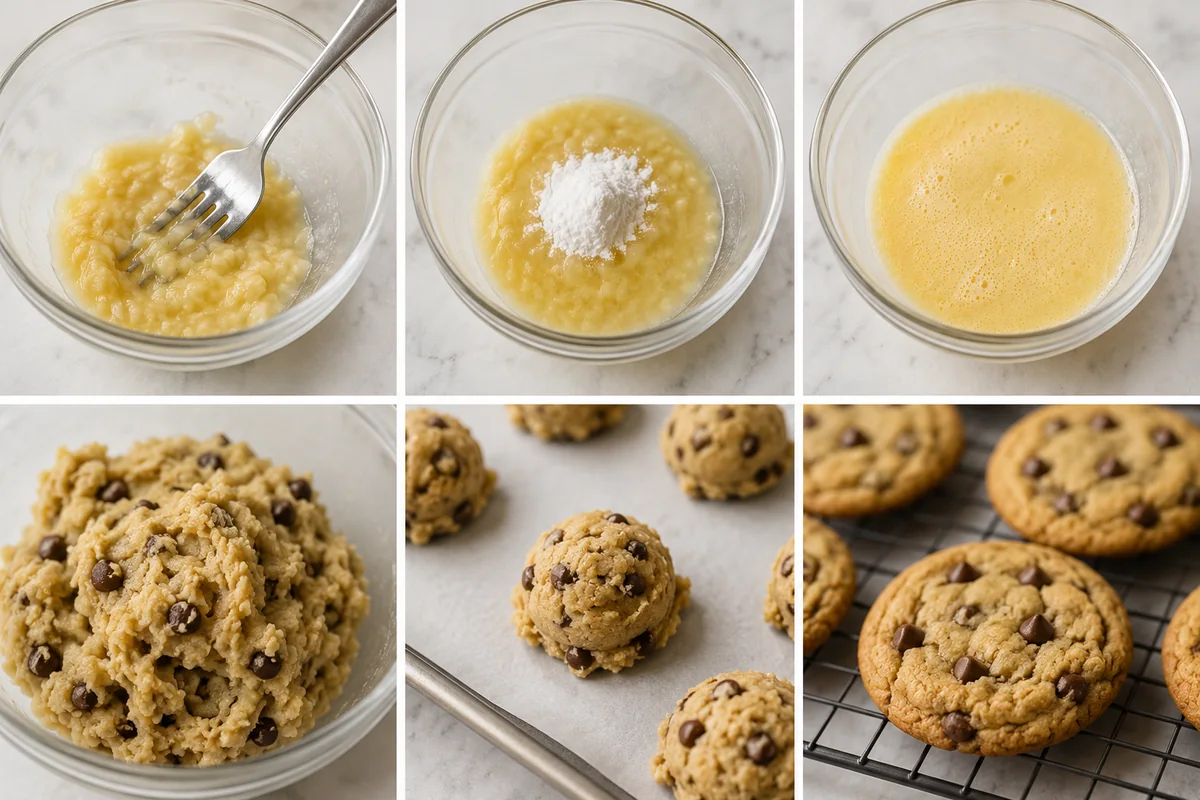
Flax egg
This is the top all-rounder for cookies. Stir one tablespoon of ground flaxseed into three tablespoons of water and let it sit for five to fifteen minutes until it thickens to a gel, then use it in place of one egg. The flax gel is an excellent binder and gives cookies a chewy inside and crisp edge that comes very close to the egg version. It adds a faint nutty note that suits chocolate, oatmeal, and spice cookies especially well. Ground chia seeds work the same way in the same ratio if that is what you have.
Applesauce
Use a quarter cup of unsweetened applesauce per egg. Applesauce binds and adds moisture, producing a soft, tender, cakey cookie, so it is best where you want a pillowy texture rather than a crisp one. Because it is wet and contains no fat, cookies made with applesauce can spread less and bake a touch denser, so it pairs well with recipes that are already rich in butter. Choose unsweetened so you are not adding extra sugar you did not plan for.
Mashed banana
Replace each egg with half of a large mashed banana, about a quarter cup. Banana binds and adds lots of moisture, giving soft, dense cookies, and it works wonderfully in oatmeal, peanut butter, and chocolate cookies. The catch is flavor: you will taste the banana, and it adds sweetness, so reduce the recipe’s sugar slightly to compensate. If banana flavor is welcome, this is a cheap, whole-food swap; if it is not, choose flax or applesauce instead.
Commercial egg replacer
Powdered egg replacers, sold for exactly this purpose, are mixed with water per the package and are the most neutral and predictable option. They bind without adding flavor, color, or extra sweetness, which makes them a reliable choice when you want the cookie to taste like the original. They are especially handy for bakers who go eggless often, since one box covers many batches.
Aquafaba
The liquid from a can of chickpeas, called aquafaba, replaces one egg with about three tablespoons. It binds and adds a little lift, and unlike most swaps it can be whipped, which makes it the go-to for lighter, more delicate cookies. It is flavorless once baked, so it does not change the taste. It is a favorite in vegan baking precisely because it mimics an egg’s structural role better than fruit purees do.
Silken tofu
Blend a quarter cup of silken tofu until smooth to replace one egg. Tofu adds protein and structure along with moisture, giving a denser, more substantial cookie, so it suits hearty styles rather than delicate ones. Blend it fully so there are no lumps. It is flavorless, which is a plus, though it does make a heavier cookie than flax or aquafaba.
Yogurt or buttermilk
A quarter cup of plain yogurt, dairy or non-dairy, replaces an egg and adds moisture, tenderness, and a slight tang that suits many cookies. It binds reasonably well and keeps cookies soft. Use plain and unsweetened so you control the flavor, and expect a soft, moist result rather than a crisp one.
Nut butter
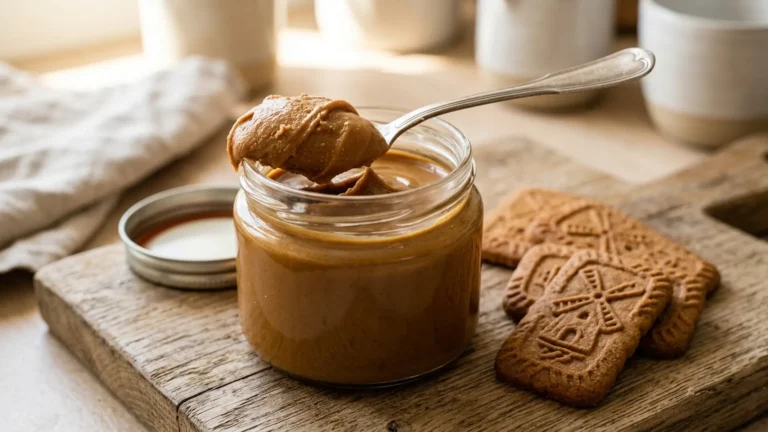
Three tablespoons of peanut, almond, or other nut butter can stand in for an egg, binding and adding richness at once. It works best in cookies where the nutty flavor fits, like peanut butter or chocolate cookies, and it makes a dense, chewy result. Because it adds fat, you may want to trim the butter slightly. It is a clever pantry fix when you are out of both eggs and the usual binders.
| Substitute | Amount per egg | Best for |
|---|---|---|
| Flax or chia egg | 1 tbsp ground + 3 tbsp water | Chewy all-rounder, best binder |
| Applesauce | 1/4 cup unsweetened | Soft, cakey, low-fat cookies |
| Mashed banana | 1/2 large (about 1/4 cup) | Soft cookies where banana fits |
| Egg replacer powder | Per package | Neutral, true-to-original taste |
| Aquafaba | 3 tbsp | Lighter, delicate cookies |
| Silken tofu | 1/4 cup blended | Dense, hearty cookies |
How to Choose the Right One
Pick by the job and the texture you want. If you need a dependable binder for a standard chewy cookie, a flax egg is the safest first choice and the closest to the real thing. If you want soft and cakey, reach for applesauce. If banana flavor suits the cookie, mashed banana is cheap and effective. When you want the cookie to taste exactly like the original with no off notes, a commercial egg replacer or aquafaba is the most neutral. For a denser, protein-rich cookie, silken tofu or nut butter does the job. Avoid choosing a watery swap like applesauce for a recipe that was already very moist, since you can end up with a cookie that will not crisp. Matching wet substitutes to rich recipes and binding substitutes to lean ones is the whole game.
Adjustments That Make Eggless Cookies Great
A few tweaks separate good eggless cookies from disappointing ones. Because many substitutes add moisture and no fat, the dough can be softer and spread differently, so chilling it before baking is even more important than usual; cold dough holds its shape and prevents the thin, flat result that wet doughs are prone to, the same principle covered in our guide on why cookies turn out flat. Reduce the sugar a little when using banana, since it adds sweetness of its own. Let flax and chia eggs gel fully before adding them, or they will not bind. And do not over-rely on a single substitute for a recipe that uses three or more eggs for structure, since fruit purees cannot carry that load; those recipes need aquafaba or a dedicated replacer. Whichever you use, the dough should look cohesive and scoopable rather than wet and loose before it goes in the oven.
Matching the Substitute to the Cookie
The same swap behaves differently depending on the cookie, so a little matching goes a long way. For chewy drop cookies like chocolate chip and oatmeal, a flax egg is the closest to the original and keeps the chew intact. For soft, cakey cookies and bar cookies, applesauce or mashed banana lean into the tender texture those styles already have. For peanut butter and other nut-forward cookies, nut butter doubles as binder and flavor, which is a natural fit. For anything you want to taste exactly like the egg version, with no fruit note or added sweetness, a commercial replacer or aquafaba is the neutral pick. And for delicate cookies that depend on a light, airy structure, whipped aquafaba comes closest to what an egg provides, while heavy purees like banana would weigh them down. Thinking in terms of the cookie style first, then the substitute, saves a lot of trial and error.
Common Mistakes With Egg Substitutes
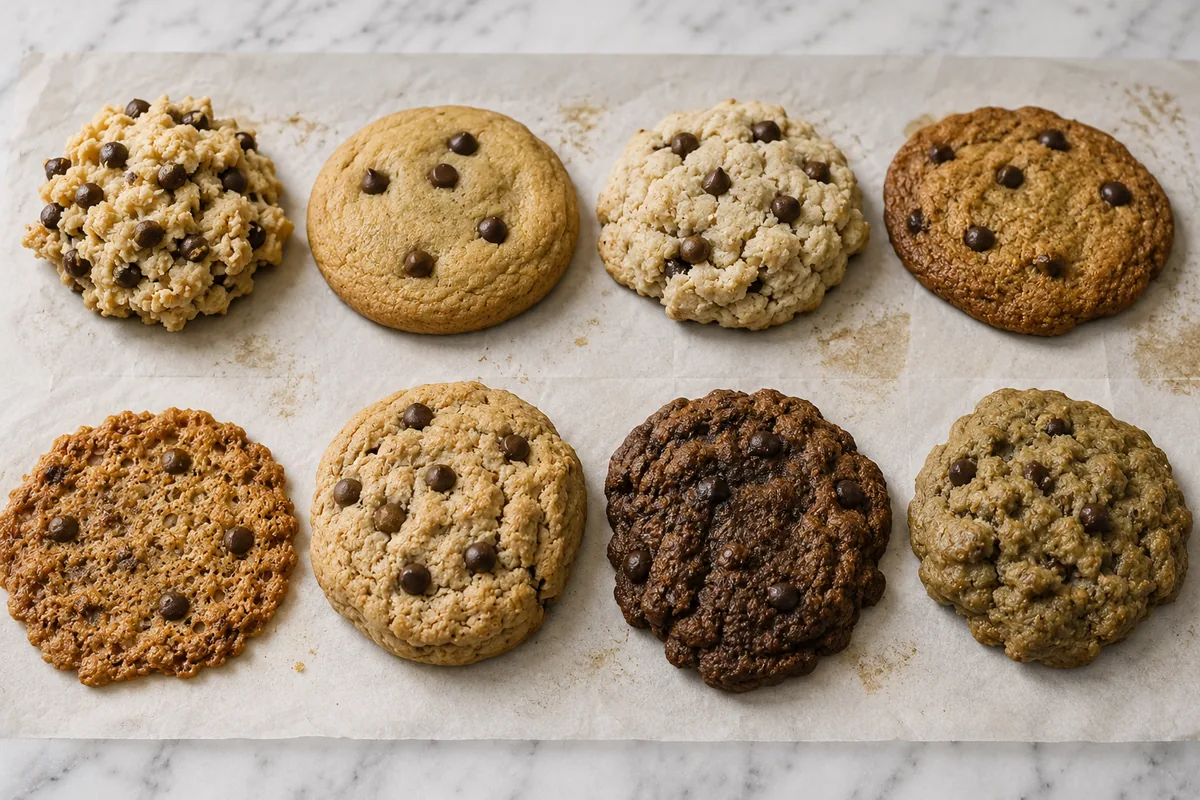
Most eggless cookie failures trace back to a handful of avoidable errors. The first is using a watery substitute in an already moist recipe, which leaves the dough too wet to set and gives a pale, spready cookie; pair lean recipes with wet swaps and rich ones with binding swaps instead. The second is not letting flax or chia eggs gel before adding them, so they never bind properly and the cookie crumbles. The third is forgetting that banana and sweetened applesauce add sugar, throwing off both the flavor balance and the spread, which is why trimming the recipe sugar matters. The fourth is trying to replace three or four eggs in a structural recipe with fruit puree, which simply cannot carry that much load and collapses; those recipes need aquafaba, a dedicated replacer, or a different recipe altogether. And the last is skipping the chill, since eggless doughs are often softer and benefit even more from time in the fridge. Avoid those five and your eggless cookies will hold together, bake up properly, and taste the way you intended.
Eggless and Vegan Baking
Every substitute here except dairy yogurt is naturally vegan, which makes eggless cookies an easy entry point into plant-based baking. Pair an egg substitute with a plant butter and a non-dairy chocolate and you have a fully vegan cookie that no one will guess is missing anything. Flax eggs and aquafaba are the staples of vegan cookie baking for exactly this reason. If you are leaning into plant-based desserts more broadly, a whole world of vegan desserts uses these same swaps, and the techniques transfer directly. Eggless does not mean compromised; it just means understanding what the egg was doing and giving the cookie that back another way. The same swaps work across styles, from rich double chocolate cookies to chewy bars, and for the testing behind how each binder behaves, America’s Test Kitchen and Cook’s Illustrated are dependable references.
Do Egg Substitutes Change the Bake Time?
Usually only a little, but it is worth watching the first eggless batch closely. Substitutes that add extra moisture, like applesauce, banana, and yogurt, can make cookies take a minute or two longer to set in the center, and they may stay softer when they come out, so judge doneness by the edges being golden rather than by a firm middle. Binding swaps like flax eggs and aquafaba bake much closer to the original timing. Because the cookie can look underdone in the center even when it is finished, give eggless cookies a few extra minutes to firm up on the pan before moving them, since they set as they cool. If you notice the cookies browning on the bottom before the tops look done, drop the oven temperature by about fifteen degrees and extend the time slightly so the inside catches up. As with any new variable, baking one test cookie first tells you exactly how your chosen substitute behaves before you commit the tray.
Eggless Baking for Allergies
For an egg allergy, replacing eggs is not a preference but a necessity, and the same swaps do the job safely as long as you mind cross-contact. Flax eggs, aquafaba, and commercial egg replacers are all naturally egg-free and reliable, and they let someone with an allergy enjoy the same cookies as everyone else. The key is to check that the rest of the ingredients are safe too, since some chocolate chips and pre-made doughs can contain or be processed alongside eggs, and to use clean bowls and utensils if you also bake with eggs. Labeling matters when baking for a group, so anyone avoiding eggs knows which cookies are safe. With a little care, an egg-free cookie is indistinguishable from the original, which means no one at the table has to miss out. The flexibility of these substitutes is exactly why they have become standard not just for vegans but for any kitchen baking around an allergy.
Frequently Asked Questions
What is the best egg substitute for cookies?
A flax egg is the best all-around choice, made by mixing one tablespoon of ground flaxseed with three tablespoons of water and letting it gel. It binds like a real egg and gives chewy cookies with crisp edges. Applesauce and mashed banana are excellent for softer, cakey cookies.
How much applesauce replaces one egg in cookies?
Use a quarter cup of unsweetened applesauce to replace one egg. It binds and adds moisture for a soft, tender cookie, and works best in recipes that are already rich in butter. Choose unsweetened so you do not add extra sugar.
Can you make cookies without eggs?
Yes, easily. In most cookies the egg is mainly a binder, which is simple to replace with a flax egg, applesauce, mashed banana, aquafaba, or a commercial egg replacer. Chill the dough and keep it cohesive, and eggless cookies turn out just as well as the original.
Does banana work as an egg substitute in cookies?
Yes. Half a large mashed banana replaces one egg, binding and adding moisture for soft, dense cookies. The trade-off is that you will taste the banana and it adds sweetness, so it suits oatmeal, peanut butter, and chocolate cookies, and you should trim the sugar slightly.
Why are my eggless cookies spreading too much?
Many egg substitutes add moisture without fat, so the dough is softer and more prone to spreading. Chill the dough well before baking, make sure flax or chia eggs have gelled, and consider a touch more flour if the dough looks wet. Cold, cohesive dough is the fix.
Is aquafaba a good egg replacer for cookies?
Yes, especially for lighter cookies. Three tablespoons of the liquid from a can of chickpeas replaces one egg, binds well, adds a little lift, and bakes up flavorless. It can even be whipped, which makes it the closest swap to an egg’s structural role in delicate recipes.
Bottom Line
You do not need eggs to bake great cookies, you just need to replace what the egg was doing. For most recipes a flax egg is the best first choice, applesauce and banana make soft cookies, and aquafaba or a commercial replacer keep the flavor neutral. Chill the dough, keep it cohesive, and adjust the sugar when using banana, and your eggless batch will be every bit as good as the original. Keep a bag of ground flaxseed in the pantry and you will never be stopped by an empty egg carton again.