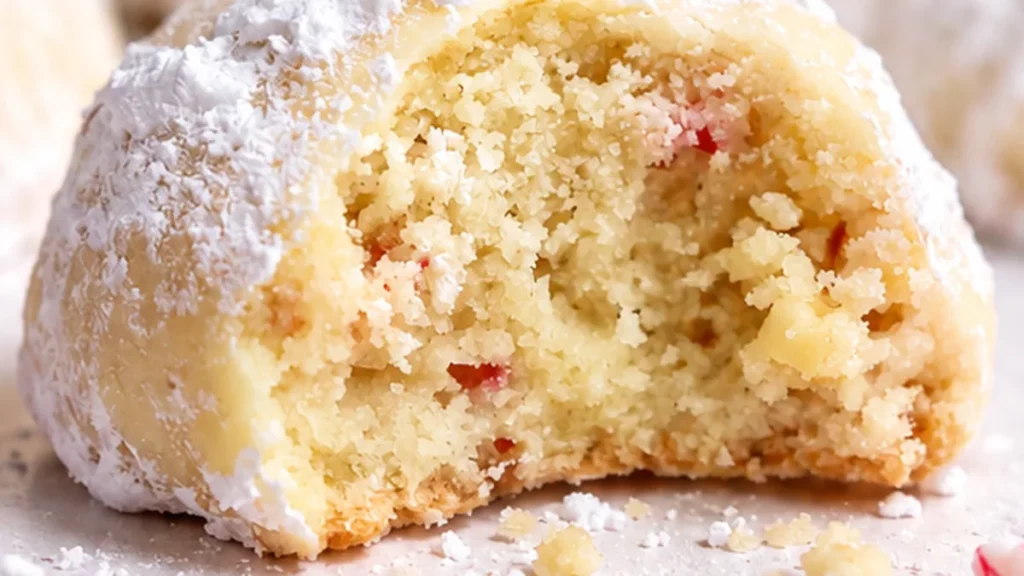
Snowball cookies are a delightful treat that showcase a delicate texture and balanced flavor. This recipe delivers a melt-in-your-mouth experience with the decadent sweetness of white chocolate and the refreshing crispness of peppermint, all rolled in a snowy confectioners’ sugar coating. Perfect for holiday gatherings or a sweet treat anytime. Our snowball cookies are designed for ease and maximum flavor impact, ensuring a delightful baking experience and a stunning final product that looks as good as it tastes.
Key takeaways
- Use softened butter for the best texture.
- Chill the dough to prevent excessive spreading.
- Experiment with ingredient swaps for unique flavors.
- Crushed candy canes add festive crunch and flavor.
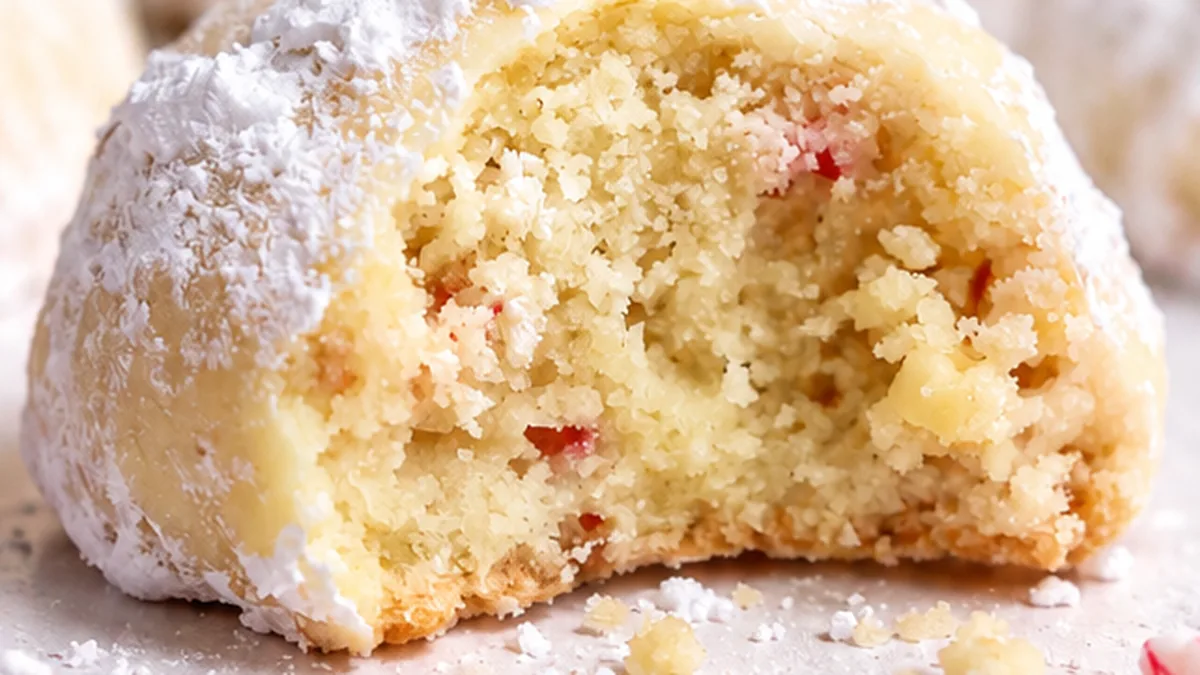
White Chocolate Peppermint Cookies
Ingredients
Method
- Combine soft butter, powdered sugar, vanilla extract, peppermint extract, and salt in a large bowl. Mix for 2 minutes on medium speed until very smooth.
- Add milk and mix until well incorporated. Add flour and mix on low speed until a dough starts to form. Before it’s completely incorporated, add crushed candy canes and mini white chocolate chips.
- Cover the bowl tightly and chill in the fridge for 30 minutes while you preheat the oven.
- Preheat oven to 350°F (175°C). Line two large cookie sheets with parchment paper.
- Place the powdered sugar for rolling into a shallow bowl.
- Scoop heaped tablespoons of cookie dough and roll into smooth balls. Place dough balls onto prepared baking sheets, spacing them at least 2 inches apart.
- Bake for about 15 minutes until golden brown on the bottom edges.
- Let cookies cool on the baking sheets for 15-20 minutes. Roll them in powdered sugar to coat completely.
Video
Notes
The Science Behind Perfecting Snowball Cookies
Snowball cookies, also known as Russian tea cakes or Mexican wedding cookies, rely on the perfect balance of fat and flour to achieve their signature melt-in-your-mouth texture. The high fat content from the unsalted butter helps create a tender crumb, while the powdered sugar not only sweetens but also aids in the cookie’s delicate structure. For optimal results, ensure your butter is softened to room temperature, around 20°C (68°F), to facilitate proper creaming with the sugar, which incorporates air into the dough.
Common Issues and How to Fix Them
When baking snowball cookies, several issues can arise. Here are some common problems and their solutions:
- Cookies Spread Too Much: This can occur if the butter is too warm. Ensure the butter is softened, not melted, and chill the dough for at least 30 minutes before baking.
- Crumbly Texture: If the cookies crumble rather than hold together, it may be due to insufficient moisture. Adding a touch more milk can help bind the ingredients.
- Overly Sweet Cookies: If you find the cookies too sweet, reduce the amount of powdered sugar in the dough. Remember that the rolling in sugar after baking also adds sweetness.
- Insufficient Peppermint Flavor: If the cookies lack a strong peppermint taste, consider increasing the peppermint extract slightly, but be cautious not to overpower the delicate balance of flavors.
Ingredient Swaps and Their Effects
Experimenting with ingredients can yield different textures and flavors in your snowball cookies. Here are some swaps you might consider:
- Butter for Coconut Oil: Using coconut oil instead of butter will impart a subtle coconut flavor and make the cookies dairy-free, but may alter the texture slightly, making them a bit softer.
- All-Purpose Flour for Almond Flour: This swap will create a gluten-free version of the cookies, but the texture will be denser and nuttier. You may need to adjust the liquid content slightly.
- Milk for Non-Dairy Milk: Substituting whole milk with almond or oat milk is an easy way to make these cookies dairy-free, though it may slightly affect the richness.
- Mini White Chocolate Chips for Dark Chocolate Chips: This change will provide a richer flavor contrast, but the sweetness will increase, so consider reducing the sugar slightly.
Unique Characteristics of Snowball Cookies
What sets snowball cookies apart from other cookies is their unique texture and the method of preparation. Unlike many cookies that rely on a leavening agent like baking soda or powder, snowball cookies achieve their lightness solely through the creaming method and the incorporation of air into the fat. The addition of crushed candy canes not only enhances the festive appearance but also adds a delightful crunch and burst of flavor that is distinctly seasonal.
How to Successfully Store and Freeze White Chocolate Peppermint Cookies
Proper storage is crucial for maintaining the texture and flavor of your snowball cookies. To store them at room temperature, place the cookies in an airtight container lined with parchment paper to prevent sticking. They can last for up to a week. For longer storage, freezing is an excellent option. Arrange the cookies in a single layer on a baking sheet and freeze until solid. Then, transfer them to a freezer-safe bag or container, separating layers with parchment paper. They can be frozen for up to three months. When ready to enjoy, thaw them at room temperature for a few hours, and consider rolling them in powdered sugar again for a fresh look.
Scaling the Recipe: Adjusting Ingredients for Larger Batches
If you’re planning to make a larger batch of white chocolate peppermint cookies, scaling the recipe is straightforward. The ingredients can be multiplied proportionally. For example, if you want to double the recipe, use 1 cup of butter, ⅔ cup of powdered sugar, and so forth. However, keep in mind that baking times might vary slightly with larger batches. Always monitor the cookies closely as they bake, checking for doneness a few minutes earlier than the suggested time. Additionally, ensure that your mixing bowl and baking sheets are large enough to handle the increased volume.
Choosing the Right Equipment for Optimal Results
The equipment you use can significantly affect the outcome of your snowball cookies. A stand mixer is ideal for creaming the butter and sugar, as it provides consistent mixing and aeration. If you use a hand mixer, ensure that you mix thoroughly to achieve the same creamy texture. Baking sheets should be lined with parchment paper to prevent sticking and ensure even baking. Using a cookie scoop can help maintain uniform size and shape, resulting in even baking. Consider the oven’s temperature accuracy; using an oven thermometer can help you achieve the correct baking temperature for perfect cookies.
Seasonal Adjustments: How Ingredients Affect Flavor and Texture
Seasonality can influence the quality of ingredients used in white chocolate peppermint cookies. For instance, fresh peppermint extract or crushed candy canes during the holiday season can enhance the flavor profile. Similarly, the quality of white chocolate can vary; using high-quality chocolate chips will yield a richer taste. Be mindful of the butter’s temperature; in warmer months, it may become too soft quickly, affecting the dough’s consistency. Adjusting the amount of flour slightly may be necessary to compensate for humidity, ensuring your cookies maintain the desired texture.
Understanding the Role of Temperature in Cookie Texture
The temperature of your ingredients plays a crucial role in achieving the desired texture for white chocolate peppermint cookies. When using very soft butter, as specified in the recipe, it helps create a tender and crumbly texture, characteristic of snowball cookies. Ideally, the butter should be around 20°C (68°F) for optimal creaming with sugar. If the butter is too cold, it won’t incorporate air effectively, leading to denser cookies. Conversely, if the butter is too warm, it may cause the cookies to spread excessively during baking. Maintaining a consistent temperature for the dough, ideally around 18-20°C (64-68°F), before baking can also help control spread and texture. Additionally, chilling the dough for about 30 minutes can enhance the flavor and texture by allowing the flour to hydrate fully and the fats to solidify slightly, which can prevent excessive spreading.
Batch Scaling: Adjusting Ingredients for Larger Quantities
Scaling the recipe for white chocolate peppermint cookies requires careful adjustments to maintain the balance of flavors and textures. When doubling or tripling the recipe, it’s essential to maintain the ratio of wet to dry ingredients. For instance, if you double the butter and sugar, you should also double the flour and other dry ingredients to achieve the same cookie consistency. However, be cautious when scaling the baking time and temperature; larger batches may require a slight increase in baking time, but keep the temperature consistent at 180°C (350°F). It’s also advisable to bake in batches rather than overcrowding the oven, which can lead to uneven baking. Using multiple trays can help, but ensure they are spaced out properly to allow for even air circulation.
Serving Suggestions and Pairing Ideas for White Chocolate Peppermint Cookies
White chocolate peppermint cookies are not only delightful on their own but can also be elevated with thoughtful serving suggestions and pairings. These cookies pair beautifully with a warm cup of peppermint tea or a rich hot chocolate, enhancing the minty flavors and providing a cozy experience. For a festive touch, consider serving them on a platter with other holiday treats like gingerbread or sugar cookies. Adding a sprinkle of crushed candy canes on top of the cookies just before serving can also enhance their visual appeal and provide an extra crunch. For a dessert platter, complement these cookies with creamy desserts such as cheesecake or panna cotta, which can balance the sweetness of the cookies.
Understanding the Role of Crushed Candy Canes in Flavor and Texture
Crushed candy canes are not just a decorative element; they play a crucial role in the overall flavor profile and texture of white chocolate peppermint cookies. The peppermint extract provides a strong minty flavor, while the candy canes add a sweet crunch that contrasts with the soft, buttery texture of the cookies. When incorporating crushed candy canes, aim for a size that will distribute evenly throughout the dough without overpowering the other flavors. A typical ratio is about 3 tablespoons for this recipe, ensuring a balance between minty freshness and sweetness. Too much can lead to an overly sweet cookie, while too little might result in a lack of peppermint punch.
How to Adjust for Different Baking Environments
Every kitchen has its unique baking environment, which can significantly affect the outcome of your white chocolate peppermint cookies. Factors such as humidity, altitude, and even oven calibration can alter baking times and cookie texture. For instance, in higher humidity, the dough may absorb more moisture, requiring a slight increase in flour to maintain the desired consistency. Conversely, if you’re baking at a high altitude, reducing sugar and increasing the baking time may be necessary to prevent the cookies from spreading too much. Always keep an eye on your cookies as they bake, adjusting the time in small increments as needed to achieve the perfect golden color.
Pro tips
- Use very soft butter for the creamiest dough.
- Don’t overmix the flour; stop when just combined to keep cookies tender.
- Ensure cookies cool sufficiently before the first roll in powdered sugar for best adherence.
- For a stronger peppermint flavor, add an extra 1/8 teaspoon of extract.
Enjoy these delightful White Chocolate Peppermint Snowball Cookies as a festive treat or a year-round indulgence.
Frequently asked questions
Can I make snowball cookies ahead of time?
Yes, you can prepare the dough ahead of time and refrigerate it for up to 3 days. Alternatively, you can freeze the dough for up to 3 months. Just remember to thaw it in the fridge before baking.
How do I store leftover snowball cookies?
Store snowball cookies in an airtight container at room temperature for up to a week. To maintain their texture, avoid stacking them directly on top of each other.
Can I substitute the peppermint extract?
Yes, you can use vanilla extract instead of peppermint extract for a different flavor profile. However, the cookies will lose their signature holiday taste.
What can I use instead of crushed candy canes?
If you don’t have candy canes, consider using crushed nuts or chocolate sprinkles for a different texture and flavor. Just note that this will change the overall aesthetic of the cookies.
More from Holiday & Christmas Cookies →