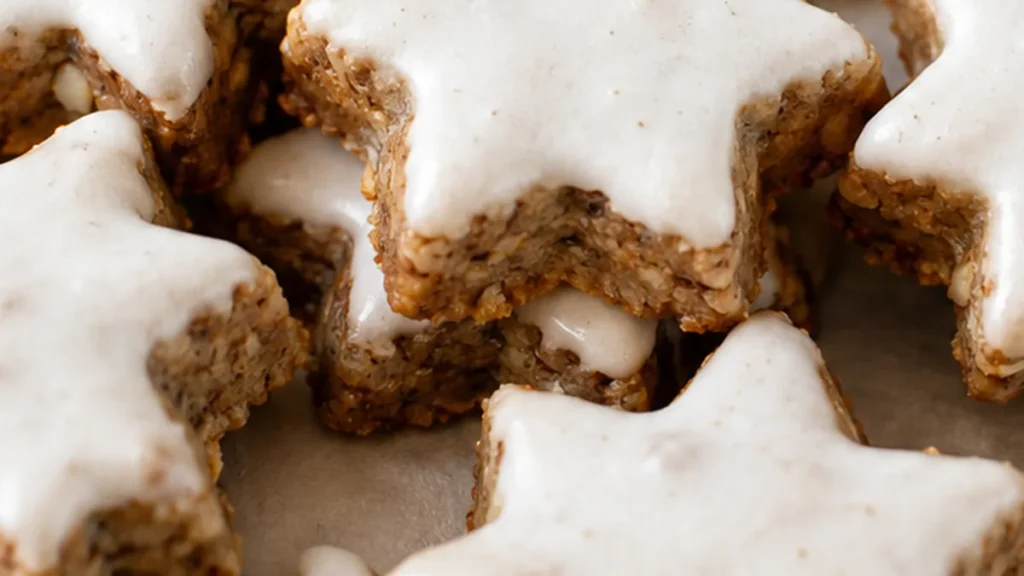
The Zimtsterne recipe is a beloved German classic, especially during the holiday season. These star-shaped cookies, traditionally made with ground almonds, warm cinnamon, and a light meringue glaze, offer a unique, melt-in-your-mouth texture that’s hard to replicate. Baking them requires a bit of patience, particularly with the dough consistency and rolling, but the result is an incredibly delicate and flavorful cookie perfect for festive celebrations. This Zimtsterne recipe focuses on achieving that signature airy lightness and intense spice. We’ll guide you through handling the slightly sticky dough and achieving the perfect thinness for that signature delicate bite. Get ready to bring a taste of German Christmas into your kitchen.
Key takeaways
- Properly whipped egg whites create a stable meringue for texture.
- Balance sweetness with the right amount of confectioners’ sugar.
- Finely ground almonds contribute to the cookies’ rich flavor and texture.
- Fresh spices and zest enhance the overall flavor profile of Zimtsterne.
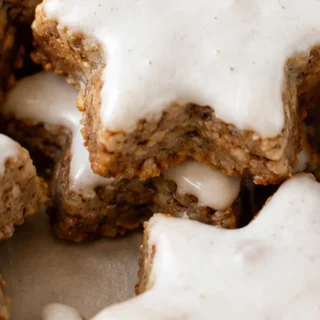
Zimtsterne: Melt-in-Your-Mouth Cookies!
Ingredients
- 2 large egg whites (80g)
- 1 ¾ cups confectioners’ sugar (210g), divided
- 2 ¾ cups ground almonds (290g)
- 2 teaspoons ground cinnamon
- 1 teaspoon lemon zest
- ¼ teaspoon salt
- 1 tablespoon lemon juice
Instructions
- In a large bowl, whisk egg whites on medium speed until soft peaks form.
- Gradually add 1¼ cups of powdered sugar while mixing on low speed.
- Increase speed to medium-high and beat for 2-3 minutes until thick and glossy.
- In another bowl, combine ½ cup powdered sugar, ground almonds, cinnamon, lemon zest, and salt.
- Add lemon juice to the main egg white mixture.
- Fold the almond mixture into the egg white bowl, then knead by hand into a cohesive ball.
- Preheat oven to 250°F (120°C) and line baking sheets with parchment paper.
- Roll dough to ¼-inch thickness and cut out star shapes.
Video
Notes
The Importance of Egg Whites in Zimtsterne
Egg whites are crucial for achieving the right texture in Zimtsterne. When whipped, they create a stable meringue that provides structure and lightness to the cookies. Aim for a soft peak stage, which occurs when the egg whites are whipped until they form peaks that gently bend over. This usually takes about 5-7 minutes at medium speed. The ideal temperature for whipping egg whites is around 20°C (68°F), as cooler temperatures can inhibit the process.
How to Achieve the Perfect Sweetness Balance
Confectioners’ sugar is used not just for sweetness but also for its fine texture, which contributes to the cookies’ melt-in-your-mouth quality. The ratio of 1¾ cups (210g) to the egg whites helps create a smooth batter. If the cookies are too sweet, consider reducing the sugar slightly, but be cautious as this may affect the texture.
Ground Almonds: The Key to Flavor and Texture
Using 2¾ cups (290g) of ground almonds not only adds flavor but also moisture and fat, which are essential for the cookie’s richness. Ensure that the almonds are finely ground to prevent a gritty texture. If you substitute with almond flour, the result will be similar, but the cookies may spread more due to the finer grind.
The Role of Cinnamon and Lemon Zest in Flavor Development
Cinnamon and lemon zest enhance the flavor profile of Zimtsterne. The 2 teaspoons of cinnamon should be fresh for optimal flavor, as older spices lose potency. The lemon zest adds brightness, balancing the sweetness. If you prefer a stronger citrus flavor, increase the zest, but be cautious not to overpower the cinnamon.
Common Issues and Their Solutions
- Issue: Cookies spread too much.
- Cause: Too much moisture in the batter or insufficient chilling time.
- Fix: Reduce the lemon juice or chill the dough for an additional 30 minutes before baking.
- Issue: Cookies are too dry.
- Cause: Overbaking or too much almond flour.
- Fix: Bake for a shorter time or ensure accurate measuring of ground almonds.
- Issue: Meringue is grainy.
- Cause: Undissolved sugar in the egg whites.
- Fix: Whip the meringue longer until smooth, or sift the sugar before adding.
- Issue: Cookies lack flavor.
- Cause: Stale spices or insufficient zest.
- Fix: Use fresh spices and increase lemon zest for more brightness.
How to Properly Store Zimtsterne for Maximum Freshness
To maintain the delightful texture and flavor of zimtsterne, proper storage is essential. These cookies can be stored in an airtight container at room temperature for up to two weeks. For longer storage, consider freezing them. Place the cookies in a single layer in a freezer-safe container, separating layers with parchment paper. They can be frozen for up to three months. When ready to enjoy, thaw them at room temperature and avoid microwaving, which can alter their melt-in-your-mouth quality.
Scaling the Zimtsterne Recipe: Tips for Adjusting Quantities
Scaling the zimtsterne recipe can be straightforward, but attention to detail is crucial. If doubling the recipe, maintain the same ratios of ingredients to ensure consistent texture and flavor. For example, use 160g of egg whites and adjust the sugar and almond quantities accordingly. However, be cautious with the mixing time; overmixing can lead to a denser cookie. For smaller batches, consider making half the recipe, but remember that the baking time may vary slightly. Always check for doneness before the suggested time.
Choosing the Right Equipment for Perfect Zimtsterne
Using the right equipment can significantly impact the outcome of zimtsterne. A stand mixer is preferred for whipping egg whites to stiff peaks, providing better control than a hand mixer. Additionally, using a silicone baking mat can prevent sticking and promote even baking, while a good quality rolling pin ensures an even thickness when rolling out the dough. A sharp cookie cutter is essential for achieving the iconic star shape, and using a metal one will yield cleaner edges compared to plastic cutters.
Seasonal Variations in Zimtsterne: Adapting to Ingredient Quality
The quality of ingredients can change with the seasons, affecting the final result of your zimtsterne. In winter, fresh lemons may be less flavorful, so consider using higher-quality bottled lemon juice or zest from organic lemons for a more robust flavor. Similarly, ground almonds can vary in oil content based on the season, impacting texture. Opt for freshly ground almonds when possible, and if they seem dry, a small amount of almond oil can be added to the mixture. This adjustment helps maintain the soft, melt-in-your-mouth texture.
Why the texture of your zimtsterne can vary with ingredient quality
The quality of your ingredients significantly impacts the final texture of your zimtsterne. Using fresh, high-quality ground almonds is crucial, as older or poorly stored nuts can become rancid, affecting flavor and texture. Aim for finely ground almonds to achieve that melt-in-your-mouth consistency. The moisture content in the almonds can also vary; if they are too dry, the dough may be crumbly. Ensure to check the packaging date and store them in a cool, dark place. Additionally, the freshness of your egg whites plays a role. Older egg whites may not whip up as well, leading to a denser cookie. For best results, use egg whites that are as fresh as possible.
How to scale the zimtsterne recipe without compromising quality
Scaling your zimtsterne recipe requires careful attention to ingredient ratios to maintain the desired texture and flavor. When doubling or halving the recipe, keep the proportions of ground almonds to egg whites and sugar consistent. For example, if you are doubling the recipe, use 160g of egg whites and 420g of confectioners’ sugar, adjusting the ground almonds accordingly. It’s also essential to mix the ingredients thoroughly to ensure even distribution of flavors. If scaling up significantly, consider mixing in smaller batches to maintain control over the dough’s consistency. Remember that baking times may vary; larger batches may require slightly longer baking times, so monitor closely.
Why the right baking temperature is crucial for perfect zimtsterne
The baking temperature of your zimtsterne is vital for achieving the desired texture and flavor. These cookies require a low and slow baking approach, typically around 150°C (300°F). Baking at a higher temperature can cause the cookies to brown too quickly on the outside while remaining undercooked in the center. This can result in a dry texture rather than the intended soft, chewy bite. Use an oven thermometer to ensure accuracy, as many home ovens can be off by several degrees. Additionally, baking on parchment paper can help prevent sticking and promote even cooking. If you notice the cookies browning too fast, consider lowering the temperature slightly.
How to Make Zimtsterne Ahead of Time
Zimtsterne cookies can be made ahead of time, which is ideal for busy holiday schedules. To prepare them in advance, follow these steps: after mixing the dough, shape the cookies and place them on a baking sheet lined with parchment paper. Instead of baking them immediately, cover the sheet with plastic wrap and refrigerate for up to 24 hours. This chilling period allows the flavors to meld and can enhance the overall taste. If you need to store them longer, freeze the shaped cookies instead. Lay them flat in a single layer on a baking sheet until frozen solid, then transfer them to an airtight container or freezer bag. They can be stored in the freezer for up to 3 months. When ready to bake, simply preheat your oven and bake directly from frozen, adding a few extra minutes to the baking time.
Understanding the Role of Humidity in Zimtsterne Baking
How to Scale Your Zimtsterne Recipe for Larger Gatherings
Scaling a zimtsterne recipe requires careful consideration of ingredient ratios and mixing techniques. When doubling or tripling the recipe, maintain the same proportions: for every 2 large egg whites, use 3.5 cups of confectioners’ sugar and 5.5 cups of ground almonds. However, be aware that mixing larger quantities may require longer mixing times to achieve the right consistency. Additionally, ensure your mixing bowl is large enough to accommodate the increased volume without overflowing. The baking time may also need adjustment; larger batches can take an extra 5-10 minutes, so monitor closely for doneness.
Understanding the Impact of Humidity on Zimtsterne Texture
Humidity plays a significant role in the final texture of zimtsterne. In high-humidity environments, the dough can absorb moisture from the air, potentially leading to a sticky consistency that is difficult to work with. To combat this, consider reducing the lemon juice slightly or adding a bit more ground almonds to achieve the desired dough consistency. Conversely, in dry conditions, the dough may become too crumbly. In such cases, a small addition of water or an extra egg white can help bind the ingredients together more effectively. Always adjust your baking environment to ensure optimal results.
Pro tips
- Use superfine ground almonds for the smoothest texture.
- Don’t overmix the dough once the almonds are added; it should just come together.
- If the dough is too sticky, chill it longer or use more powdered sugar on your surface and rolling pin, but be sparing to maintain flavor.
- For perfect star points on the glaze, use a small pastry brush or a toothpick.
Enjoy these exquisite Zimtsterne, a true taste of German holiday tradition that brings warmth and spice to any festive table.
Frequently asked questions
Can I use regular sugar instead of confectioners’ sugar?
Using regular sugar will not yield the same texture, as it won’t dissolve as easily. Confectioners’ sugar has a fine texture that helps create a smooth batter, essential for the melt-in-your-mouth quality of Zimtsterne.
How do I store leftover Zimtsterne?
Store Zimtsterne in an airtight container at room temperature. They can last up to a week, but for best texture, consume them within a few days. Avoid refrigeration as it can alter their delicate consistency.
What can I substitute for ground almonds?
You can substitute ground almonds with almond flour or finely ground hazelnuts. However, note that hazelnuts will impart a different flavor, and almond flour may result in a slightly different texture.
Why did my cookies not hold their shape?
If your cookies spread and did not hold their shape, it could be due to too much moisture in the batter or insufficient chilling time. Make sure to chill the dough adequately before baking to maintain their shape.
More from Holiday & Christmas Cookies →