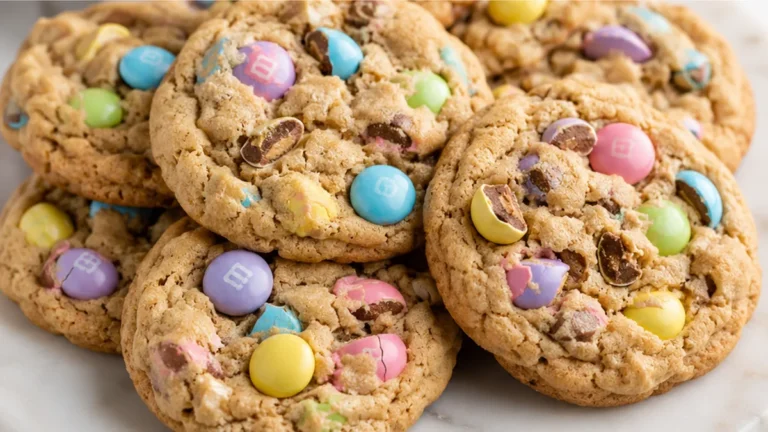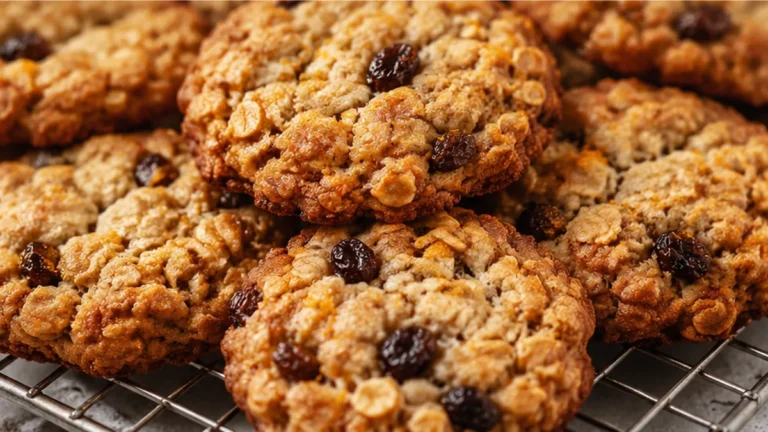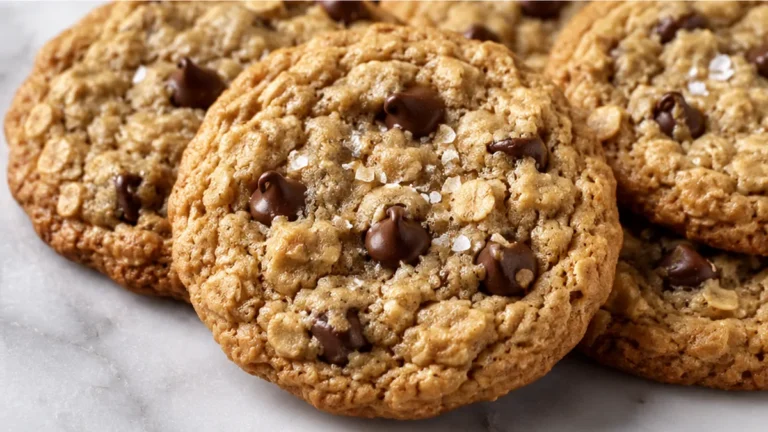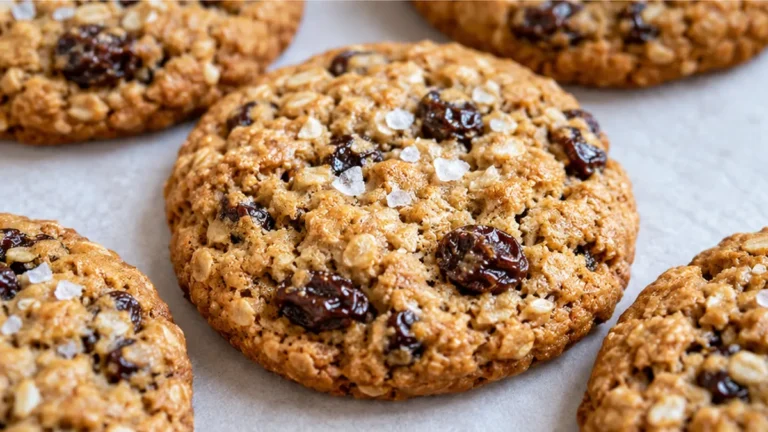
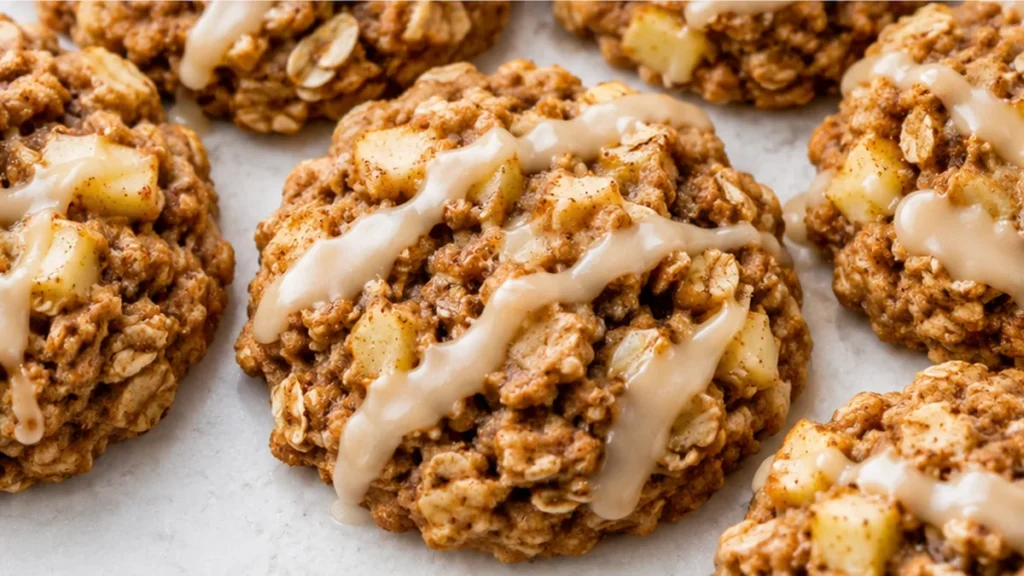
Cinnamon oatmeal cookies are a comforting treat that combines the warmth of cinnamon with the heartiness of oats. This recipe yields soft and chewy cookies.
Key takeaways
- Use rolled oats for the best texture.
- Measure flour correctly to avoid dryness.
- Chill the dough to prevent flat cookies.
- Experiment with ingredient swaps for different flavors.
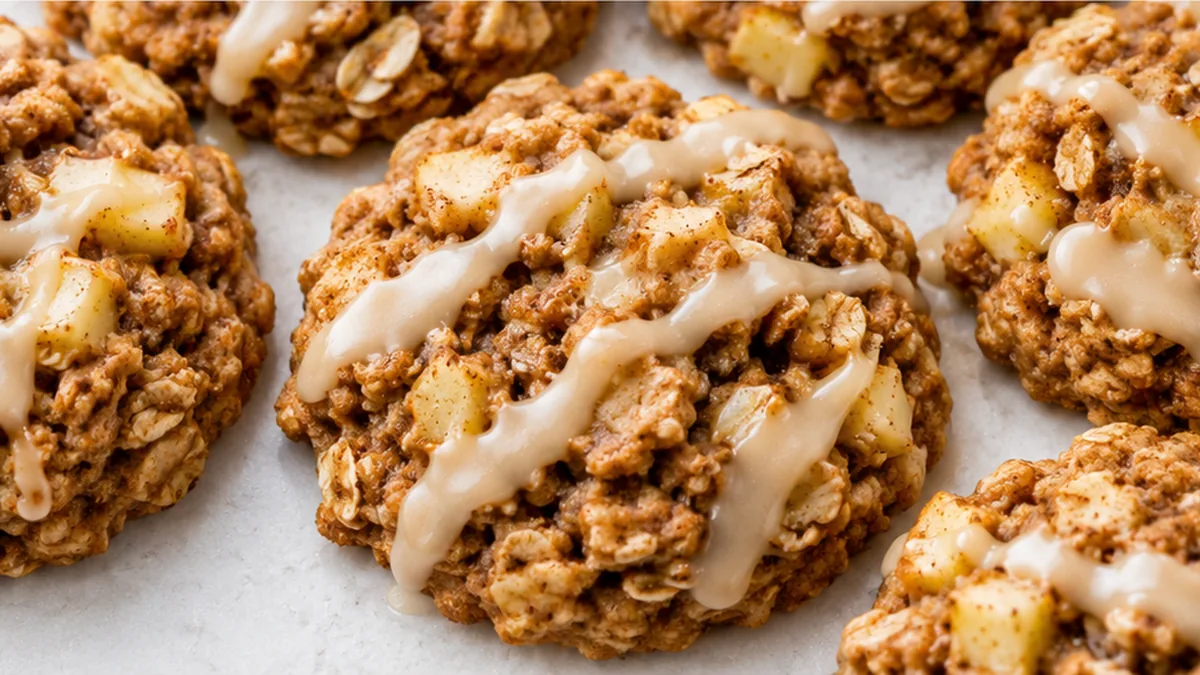
Cinnamon Oatmeal Cookies: Soft, Chewy, & Irresistible!
Ingredients
Method
- Place the applesauce in a medium saucepan over medium heat. Bring to a low boil and then simmer, stirring occasionally, until the amount is reduced by half (to 1/3 cup/80g). On my stove, this takes about 10 minutes. Transfer the applesauce to a heat-proof bowl and set aside to cool to room temperature.
- Preheat the oven to 350°F (177°C). Line large baking sheets with parchment paper or silicone baking mats.
- Whisk the oats, flour, baking soda, salt, cinnamon, allspice, and nutmeg together in a large bowl. Set aside.
- Using a handheld or stand mixer fitted with a paddle attachment, beat the butter, granulated sugar, and brown sugar on medium speed until creamed together, about 5 minutes. Scrape down the sides and bottom of the bowl with a silicone spatula as needed. Add the reduced applesauce, egg yolk, and vanilla, and beat on medium-high speed until combined. Scrape down the sides and bottom of the bowl as needed.
- Add in the dry ingredients and beat on low speed until combined. Finally, beat in the chopped apples and walnuts (if using). The cookie dough will be thick and sticky.
- Using a medium cookie scoop, scoop mounds of cookie dough (about 1.5 Tbsp/35g of dough each) and arrange 3 inches apart on the prepared baking sheets.
Understanding the Role of Oats in Texture
Oats are a crucial component in cinnamon oatmeal cookies, providing a chewy texture and a hearty flavor. The type of oats used can significantly affect the final product. Rolled oats are typically preferred for their ability to maintain structure while absorbing moisture. In contrast, quick oats can lead to a softer, more uniform texture, as they break down more during baking. A common ratio for achieving the perfect chewiness is to use 100 grams of oats for every 200 grams of flour.
Common Baking Pitfalls and Solutions
Even with a straightforward recipe, mistakes can happen. Here are a few common issues:
- Too Dry Cookies: This can occur if the flour is over-measured. To fix this, ensure that you spoon flour into the measuring cup and level it off without packing it down.
- Flat Cookies: If your cookies spread too much, it may be due to melted butter. Use softened butter instead, and chill the dough for at least 30 minutes before baking.
- Overbaking: Cookies can become hard if left in the oven too long. Aim for a light golden color and remove them while they still look slightly underbaked, as they will continue to firm up on the baking sheet.
Ingredient Swaps and Their Effects
Substituting ingredients can lead to different flavor profiles and textures. Here are some effective swaps:
- Brown Sugar for White Sugar: Using brown sugar instead of white sugar adds moisture and a deeper flavor due to the molasses content.
- Butter for Coconut Oil: This swap introduces a subtle coconut flavor and can make the cookies dairy-free, but may slightly alter the texture.
- Almond Flour for All-Purpose Flour: This will create a gluten-free version, but the cookies may be denser and require additional binding agents.
Unique Characteristics of Cinnamon Oatmeal Cookies
Cinnamon oatmeal cookies stand out due to their warm, comforting spice and the chewy texture provided by oats. Unlike many other cookies, they hold their shape well while remaining soft inside. The addition of cinnamon not only enhances the flavor but also contributes to a pleasant aroma that fills the kitchen during baking. The ideal baking temperature for these cookies is around 180°C (350°F), which allows for even cooking without burning the edges.
How to Properly Store Your Cookies for Maximum Freshness
To maintain the soft and chewy texture of cinnamon oatmeal cookies, store them in an airtight container at room temperature. This prevents moisture loss, which can lead to a drier texture. If you want to keep them for an extended period, consider freezing them. Place the cooled cookies in a single layer on a baking sheet to freeze them individually before transferring to a freezer-safe bag. This method helps prevent sticking and allows you to take out only what you need.
Scaling the Recipe for Different Occasions
Scaling your cinnamon oatmeal cookie recipe is straightforward, but it requires careful measurement to ensure consistent results. If you’re doubling the recipe, keep in mind that baking times may vary slightly. For example, larger batches may require an additional 2-5 minutes in the oven. Always check for doneness by looking for the edges to turn golden brown while the center remains soft. Use a kitchen scale for precise measurements, especially for flour and oats, to maintain the right texture.
Understanding the Impact of Equipment on Cookie Texture
The type of baking sheet and oven you use can significantly affect the outcome of your cinnamon oatmeal cookies. Darker baking sheets absorb more heat, leading to a quicker browning of the cookies. If you use a dark sheet, reduce the baking temperature by about 10°C (20°F) to prevent over-baking. Additionally, using parchment paper can help with even baking and prevent sticking. If you have a convection oven, consider lowering the temperature by 20°C (about 35°F) and checking for doneness earlier, as convection ovens circulate air, cooking food more evenly.
Pairing Suggestions for Cinnamon Oatmeal Cookies
Cinnamon oatmeal cookies are versatile and pair well with a variety of beverages and accompaniments. A warm cup of chai tea or a glass of cold milk complements the spices beautifully. For a more indulgent treat, serve them with a scoop of vanilla ice cream. The contrast of warm cookies and cold ice cream creates a delightful experience. Additionally, consider adding a sprinkle of sea salt on top before baking to enhance the flavors and balance the sweetness.
Understanding the Role of Oats in Cookie Structure
The type of oats used in cinnamon oatmeal cookies significantly influences their texture and structural integrity. Rolled oats provide a chewy texture, while quick oats can lead to a softer, more cake-like consistency. When using rolled oats, they absorb moisture and swell during baking, contributing to the cookie’s chewiness. Conversely, quick oats blend more seamlessly into the batter, resulting in a denser cookie. For optimal results, consider using a combination of both types of oats to achieve a balance of texture and moisture retention.
How Ingredient Quality Affects Flavor and Texture
The quality of the ingredients you use can drastically alter the final outcome of your cinnamon oatmeal cookies. For instance, using fresh, high-quality cinnamon will enhance the flavor profile, while stale spices can result in a flat taste. Additionally, the type of butter used—whether unsalted or salted—can affect the overall flavor balance. Unsalted butter allows for better control over the saltiness of the cookie, while salted butter can add a savory note. Always opt for high-quality oats, as their freshness will impact the chewiness and overall flavor. Remember, the better the ingredients, the better the cookies.
Adjusting Baking Times Based on Cookie Size
The size of your cinnamon oatmeal cookies plays a crucial role in determining the baking time. Larger cookies will require more time in the oven, while smaller cookies will bake faster. As a general rule, for standard-sized cookies (about 30 grams each), a baking time of 10-12 minutes is ideal. For larger cookies, increase the baking time by 2-4 minutes, keeping a close eye to prevent over-baking. Conversely, if you opt for mini cookies, reduce the baking time to around 8-10 minutes. Always check for a golden-brown edge and a soft center for perfect results.
Understanding the Effects of Ingredient Quality on Cinnamon Oatmeal Cookies
The quality of ingredients used in cinnamon oatmeal cookies significantly influences their flavor, texture, and overall success. For example, using fresh, high-quality cinnamon can enhance the aromatic and spicy notes of the cookies, while stale cinnamon may lead to a flat taste. Similarly, the type of oats matters; old-fashioned rolled oats provide a chewy texture, while instant oats can make the cookies softer and less structured. Butter quality also plays a role; unsalted butter allows for better control of salt levels, while using margarine can result in a different texture and flavor profile. When selecting flour, opting for all-purpose flour ensures a good balance of gluten development, which is crucial for the cookies’ structure. To achieve the best results, consider sourcing organic or locally-produced ingredients, which often have superior flavor and freshness.
Scaling Up the Recipe for Larger Batches
Scaling the recipe for cinnamon oatmeal cookies can be a straightforward process, but it requires careful adjustments to maintain the desired texture and flavor. When doubling or tripling the recipe, ensure that you mix the ingredients thoroughly to achieve an even distribution of flavors. Be mindful of the baking time; larger batches may require a longer baking time, so keep an eye on the cookies as they bake. Additionally, consider the size of your baking sheets; overcrowding can lead to uneven baking. A useful tip is to bake smaller batches in multiple trays rather than cramming too much onto one tray. This approach allows for better heat circulation and consistent baking. Always test the doneness of the cookies by checking the edges for a golden color while ensuring the centers remain soft. This method helps maintain the signature chewy texture that makes cinnamon oatmeal cookies irresistible.
Pro tips
Pro tip: Best served immediately while hot!
Frequently asked questions
Can I use quick oats instead of rolled oats?
Yes, you can use quick oats, but they will create a softer texture. Rolled oats are recommended for a chewier cookie.
How do I store leftover cookies?
Store the cookies in an airtight container at room temperature for up to a week. For longer storage, consider freezing them.
What can I add to enhance the flavor?
You can add nuts, chocolate chips, or dried fruits to the dough for added texture and flavor. Just keep the total mix-ins to about 100 grams to maintain the cookie’s structure.
Why are my cookies spreading too much?
If your cookies spread excessively, it may be due to using melted butter or not chilling the dough. Ensure to use softened butter and chill the dough for at least 30 minutes before baking.
More from Oatmeal Cookies →