
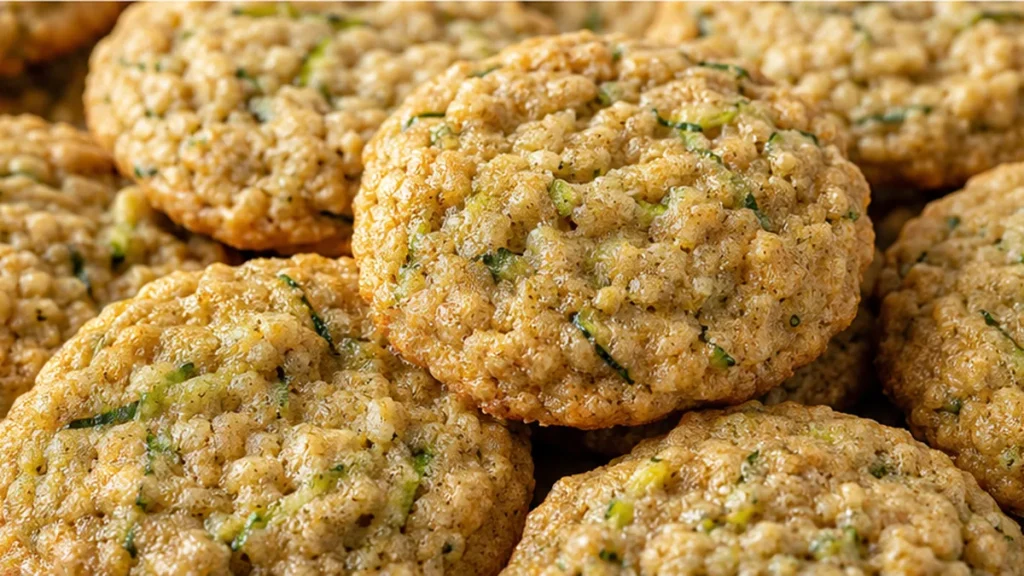
The secret to incredibly moist and chewy cookies? Zucchini! Don’t let the ingredient list fool you; these zucchini cookies are a revelation, packed with warm cinnamon spice and a delightful texture that will have everyone asking for the recipe. They’re the perfect way to sneak in a little extra goodness without sacrificing taste. This recipe focuses on maximizing moisture and flavor. By properly squeezing the zucchini and using a combination of sugars, we ensure a soft, tender crumb that’s irresistible. It’s a reliable method for a treat that’s both comforting and surprisingly wholesome.
Key takeaways
- Ensure zucchini is well-drained to avoid excess moisture.
- Maintain the correct flour to zucchini ratio for optimal texture.
- Monitor baking time closely to prevent overbaking.
- Consider flavor adjustments with spices and sugars for enhanced taste.
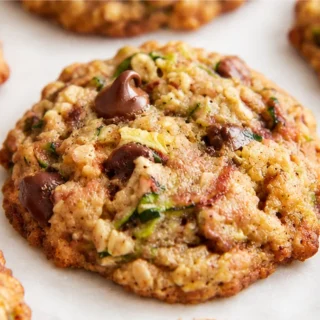
Zucchini Cookies
Ingredients
- 1 ¼ cups grated zucchini (about half a pound/250g)
- 1 cup all-purpose flour (120g)
- 1 teaspoon ground cinnamon
- ½ teaspoon baking soda
- ½ teaspoon salt
- ½ cup unsalted butter (softened (113g))
- ⅔ cup packed light brown sugar (147g)
- ⅓ cup granulated sugar (66g)
- 1 large egg
- 2 teaspoons vanilla extract
Instructions
- Wrap the zucchini in a double layer of paper towels and squeeze to remove moisture. Set aside.
- In a medium bowl, whisk together the flour, cinnamon, baking soda, and salt.
- In a large mixing bowl, beat the softened butter, brown sugar, and granulated sugar on medium speed until light and fluffy, about 5 minutes.
- Add the egg and vanilla extract, and beat until well combined and fluffy, about 1 minute.
- Gradually beat in the flour mixture until just incorporated.
- Stir in the grated zucchini until evenly combined. Cover and chill the dough for at least 2 hours or up to 2 days.
- Preheat the oven to 350°F. Line a large baking sheet with parchment paper.
- Scoop 1½ tablespoon balls of dough onto the prepared baking sheets, spacing at least 2 inches apart. Bake for 12 to 14 minutes or until the cookies are lightly browned on the edges.
Notes
Understanding the Role of Zucchini in Cookies
Zucchini is a unique ingredient in cookies, providing moisture and a subtle flavor. When grated, it retains a high water content, which can affect the texture of the cookies. Approximately 1¼ cups of grated zucchini, or about half a pound (250g), can add significant moisture, which must be balanced with the dry ingredients to avoid overly wet cookies.
Why Excess Moisture Can Ruin Your Cookies
If too much moisture is present due to excess zucchini, the cookies may spread too much during baking, resulting in flat and soggy cookies. To prevent this, ensure that the zucchini is well-drained before mixing it into the batter. A good method is to squeeze the grated zucchini in a clean kitchen towel to remove excess water.
The Importance of Proper Ingredient Ratios
In baking, the ratio of wet to dry ingredients is crucial. For this zucchini cookie recipe, a balance is struck with 1 cup (120g) of all-purpose flour to 1¼ cups of grated zucchini. This ratio helps maintain structure while allowing for the moisture from the zucchini. If you find your batter too wet, consider increasing the flour by 2 tablespoons (15g) at a time until the desired consistency is achieved.
Common Issues and How to Fix Them
- Issue: Cookies are too flat.
- Cause: Insufficient flour or too much moisture from the zucchini.
- Fix: Add more flour gradually until the batter holds its shape better.
- Issue: Cookies are dry and crumbly.
- Cause: Too much flour or overbaking.
- Fix: Reduce flour slightly and monitor baking time closely, aiming for 10-12 minutes at 350°F (175°C).
- Issue: Cookies lack flavor.
- Cause: Insufficient spices or sugars.
- Fix: Increase ground cinnamon to 1½ teaspoons and adjust sugars to taste.
- Issue: Cookies don’t rise.
- Cause: Old baking soda or incorrect oven temperature.
- Fix: Use fresh baking soda and ensure the oven is properly preheated to 350°F (175°C).
Ingredient Swaps and Their Effects
- Butter for Coconut Oil: Using coconut oil can yield a slightly denser cookie with a hint of coconut flavor.
- All-Purpose Flour for Whole Wheat Flour: This will create a nuttier flavor and denser texture, requiring a bit more liquid to compensate.
- Granulated Sugar for Maple Syrup: This swap adds a unique flavor but may require reducing other liquids in the recipe.
- Egg for Flaxseed Meal: A flaxseed meal substitute can make the cookies vegan but may slightly alter the texture, making them a bit denser.
How to Store Zucchini Cookies for Optimal Freshness
To maintain the freshness of zucchini cookies, store them in an airtight container at room temperature for up to three days. If you want to extend their shelf life, refrigerate them for up to a week. For longer storage, consider freezing the cookies. Place them in a single layer on a baking sheet to freeze individually, then transfer them to a freezer-safe bag or container. They can be frozen for up to three months. To enjoy, thaw them at room temperature or warm them in the oven at 350°F (175°C) for about 5-10 minutes.
Scaling the Recipe: Adjusting Ingredients for Larger Batches
When scaling the zucchini cookies recipe, maintain the same ratios for the ingredients to ensure consistent results. For instance, if you double the recipe, use 2½ cups of grated zucchini, 2 cups of all-purpose flour, and adjust the sugars and fats accordingly. Keep in mind that baking time may vary slightly with larger batches; check for doneness a few minutes earlier than the original recipe suggests. A larger batch may also require more space on the baking sheet to ensure even baking.
Choosing the Right Equipment for Baking Zucchini Cookies
The choice of baking sheet can significantly impact the texture of zucchini cookies. A dark, non-stick baking sheet will promote browning and create a crispier edge, while a light-colored sheet will yield softer cookies. Additionally, using parchment paper can help prevent sticking and aid in even baking. For mixing, a stand mixer can provide a more uniform batter, but a hand mixer or even a whisk can work well if you prefer a more hands-on approach.
Seasonal Ingredients: How Quality Affects Your Zucchini Cookies
Using fresh, in-season zucchini can enhance the flavor and moisture of your cookies. Look for zucchini that is firm and free of blemishes. During peak season, zucchini is more flavorful and has a higher water content, which can affect the overall texture of the cookies. If using out-of-season zucchini, consider squeezing out excess moisture before adding it to the batter. Additionally, incorporating seasonal spices like nutmeg or pumpkin spice can elevate the flavor profile of your zucchini cookies.
How to Prepare Zucchini for Optimal Cookie Texture
The texture of zucchini cookies heavily relies on how you prepare the zucchini. Start by grating the zucchini finely to ensure it integrates well into the dough. After grating, place the zucchini in a clean kitchen towel and squeeze out excess moisture. This step is crucial; too much moisture can lead to soggy cookies. Aim to remove at least 50-70% of the moisture content. This will also help maintain the cookie’s structure during baking, allowing for a chewy yet firm texture.
Adjusting Baking Time and Temperature for Different Ovens
Different ovens can vary significantly in temperature accuracy, which can affect the baking of zucchini cookies. If your oven runs hot, you may want to reduce the temperature by 10-15°F (5-10°C) and check for doneness a few minutes earlier than the recipe suggests. Conversely, if your oven runs cool, increase the temperature slightly. For perfect results, invest in an oven thermometer to ensure your baking environment is consistent. Baking zucchini cookies typically requires 10-12 minutes at 350°F (175°C), but always adjust based on your specific oven’s performance.
Serving Suggestions for Zucchini Cookies
Zucchini cookies can be enjoyed in various ways. For a delightful treat, serve them warm with a scoop of vanilla ice cream or a dollop of whipped cream. They pair excellently with a cup of tea or coffee, enhancing their comforting flavor. For a more decadent experience, consider drizzling melted chocolate or a simple glaze over the cookies. Additionally, adding chopped nuts or chocolate chips can elevate the texture and flavor profile, making them a versatile dessert for any occasion.
How to Prepare Zucchini for Optimal Flavor and Texture
Preparing zucchini properly is crucial for achieving the right flavor and texture in your cookies. Start by washing the zucchini thoroughly to remove any dirt or pesticides. Grate the zucchini using a box grater or food processor, aiming for fine shreds. This increases the surface area, allowing for better moisture release during baking. To reduce excess moisture, after grating, place the zucchini in a clean kitchen towel and wring out as much liquid as possible. This step is essential because excess moisture can lead to soggy cookies. Aim for around 1¼ cups (about 250g) of well-drained, grated zucchini for this recipe. Additionally, using fresh zucchini in season can enhance the flavor profile, as it tends to be sweeter and more tender than off-season varieties.
Understanding the Role of Sugar in Zucchini Cookies
The sugar content in zucchini cookies plays a pivotal role in achieving the desired texture and flavor. This recipe uses a combination of light brown sugar and granulated sugar, which not only sweetens the cookies but also contributes to their chewiness. Light brown sugar contains molasses, adding moisture and a slight caramel flavor, while granulated sugar helps create a crisp edge. The ratio of sugars can be adjusted, but keep in mind that reducing the brown sugar may result in drier cookies, while increasing it can lead to a denser texture. For optimal sweetness and texture, maintain the balance of ⅔ cup (147g) of brown sugar to ⅓ cup (66g) of granulated sugar. This combination ensures the cookies remain soft and flavorful while still holding their shape during baking.
Pro tips
- Squeeze out AS MUCH moisture from the zucchini as possible. This is key to prevent soggy cookies.
- Chill the dough for at least 2 hours. This helps the cookies hold their shape and prevents them from spreading too much.
- Don’t overbake! The edges should be lightly golden, but the centers should still look slightly soft. They will continue to cook as they cool on the baking sheet.
Enjoy these delightful zucchini cookies as a unique treat that’s worth making. They’re a testament to how unexpected ingredients can create something truly special.
Frequently asked questions
Can I use frozen zucchini for this recipe?
Yes, you can use frozen zucchini, but ensure it is thoroughly thawed and drained to remove excess moisture before using it in the cookie batter.
How can I store leftover zucchini cookies?
Store zucchini cookies in an airtight container at room temperature for up to 3 days. For longer storage, refrigerate them for up to a week or freeze for up to 3 months.
What can I add to enhance the flavor of zucchini cookies?
You can add chocolate chips, nuts, or dried fruits like cranberries or raisins to enhance the flavor and texture of the cookies.
Why are my zucchini cookies not sweet enough?
If the cookies lack sweetness, consider increasing the amount of granulated sugar or brown sugar in the recipe. Adjusting spices like cinnamon can also enhance the overall flavor profile.
More from Sugar & Cut-Out Cookies →